


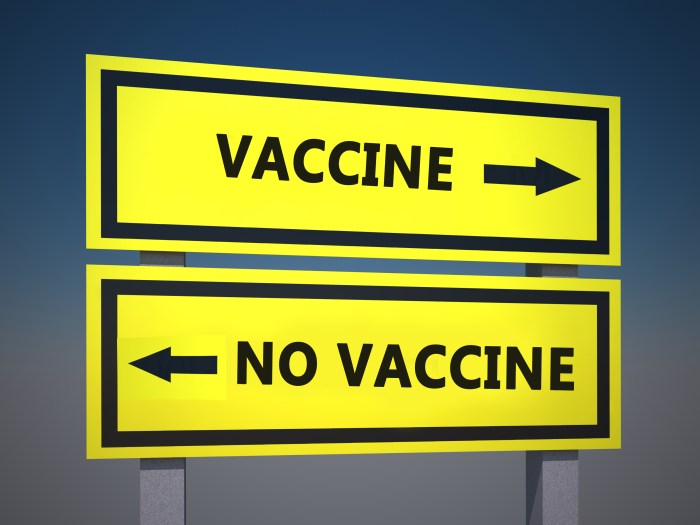
Facebook research vaccine hesitancy doubt coronavirus. This research delves into the complex interplay between social media, public health messaging, and vaccine hesitancy surrounding the coronavirus. It explores how Facebook, a platform for vast and diverse discussions, can both amplify and mitigate doubts about vaccines. We’ll examine the types of content shared, the influencers involved, and the effectiveness of public health messaging in countering misinformation.
The study examines the specific factors contributing to vaccine hesitancy, particularly on Facebook. It analyzes the content shared, the arguments used, and the potential impact on public perception. The investigation considers various aspects, including the historical context of vaccine hesitancy, the nature of online discussions, and the role of influential figures on the platform. Ultimately, the goal is to understand how Facebook contributes to vaccine hesitancy and how effective communication strategies can be implemented.
Vaccine Hesitancy Factors Related to Facebook
Vaccine hesitancy, a reluctance or refusal to accept vaccines despite their availability, is a complex issue with multifaceted causes. Understanding the factors driving this hesitancy is crucial for effective public health interventions. This blog post delves into the role of Facebook in shaping public opinion on vaccines and how online discussions contribute to the spread of misinformation. We will also examine various communication strategies and their effectiveness in combating vaccine hesitancy, specifically in the context of Facebook.
Common Factors Contributing to Vaccine Hesitancy
Vaccine hesitancy is influenced by a combination of psychological, social, and informational factors. Concerns about safety, efficacy, and personal autonomy are frequently cited. Misinformation, often amplified by social media, plays a significant role. Lack of trust in institutions, such as government agencies and healthcare providers, also contributes to hesitation. Finally, cultural and religious beliefs can influence individual attitudes towards vaccination.
Influence of Social Media Platforms like Facebook on Public Opinion
Facebook, as a highly trafficked social media platform, can significantly influence public opinion. Its vast network allows individuals to share information, form opinions, and interact with others, fostering a sense of community and shared experiences. However, this platform also facilitates the rapid spread of misinformation. Users often engage in echo chambers, reinforcing pre-existing beliefs and encountering only limited counter-arguments.
Spread of Misinformation on Facebook Regarding COVID-19 Vaccines
Online discussions on Facebook can contribute to the spread of misinformation about COVID-19 vaccines. False or misleading claims about vaccine safety, efficacy, and side effects are easily shared and circulated within groups. This rapid dissemination of misinformation can be amplified by algorithms designed to prioritize engagement and virality over accuracy. Furthermore, the anonymity and lack of accountability inherent in online platforms can embolden individuals to spread false narratives.
Effectiveness of Communication Strategies in Addressing Vaccine Hesitancy
Various communication strategies can be employed to address vaccine hesitancy. These strategies often utilize different approaches to reach various target groups.
| Communication Strategy | Description | Effectiveness on Facebook | Potential Drawbacks |
|---|---|---|---|
| Fact-Checking and Debunking Misinformation | Identifying and correcting false claims about vaccines. | Potentially effective if presented in a clear, accessible manner and if targeting specific misinformation circulating on Facebook. | Requires significant resources and sustained effort to keep up with the constant stream of new misinformation. |
| Building Trust through Transparency | Openly sharing information about vaccine development, safety, and efficacy. | Can be effective if paired with strong community engagement on Facebook. | Requires long-term commitment to building trust and addressing concerns. |
| Utilizing Influencers and Trusted Sources | Leveraging credible individuals or organizations to promote vaccine acceptance. | Highly effective, especially if the influencers have a large and engaged following on Facebook. | Potential for biased information or endorsements from unqualified individuals. |
| Interactive Q&A Sessions | Providing opportunities for individuals to ask questions and receive accurate information. | Can be highly effective in addressing concerns and dispelling misinformation, if handled well. | Requires dedicated moderators and substantial time commitment to answer questions effectively. |
Impact of Facebook Content on Coronavirus Vaccine Doubt
The proliferation of misinformation and disinformation on social media platforms, particularly Facebook, has significantly impacted public perception and acceptance of the coronavirus vaccines. Concerns about vaccine safety and efficacy, often amplified and circulated through these channels, contribute to vaccine hesitancy and, in some cases, outright refusal. Understanding the types of content shared, the psychological responses it evokes, and the ways it reinforces existing doubts is crucial to addressing this public health challenge.The constant barrage of content on Facebook, often lacking rigorous scientific backing, can lead to a complex interplay of emotions and cognitive biases.
Individuals may feel overwhelmed, confused, or even threatened by the volume of conflicting information. This, in turn, can lead to increased skepticism and resistance towards established scientific consensus.
Types of Content Frequently Shared
The landscape of Facebook content related to coronavirus vaccines is diverse and often includes a mix of misinformation, conspiracy theories, and unsubstantiated claims. Individuals share articles, videos, and posts that often portray the vaccines as dangerous or ineffective. These pieces frequently cite anecdotal evidence, misinterpreted scientific studies, or fabricated data.
Facebook’s research into vaccine hesitancy surrounding the coronavirus is fascinating, but honestly, sometimes I just want to focus on practical ways to improve my life. For example, smartening up your home’s heating and cooling system with these discounted Nest thermostats smarten up your homes heating and cooling system with these discounted nest thermostats can save you money and energy, which is pretty cool.
Still, understanding why people are hesitant about vaccines remains an important issue. It’s a complex issue, and hopefully, this research will provide some useful insights.
- Misinformation about vaccine ingredients: Claims about the presence of harmful substances, such as microchips or toxins, are common. These claims, often devoid of factual basis, can trigger anxieties and distrust.
- Exaggerated or fabricated side effects: Stories of severe adverse reactions, sometimes with fabricated or exaggerated accounts, are frequently shared. These accounts can trigger fear and create a sense of personal risk.
- Conspiracy theories: Theories connecting the vaccines to larger political or social agendas, often with no credible evidence, are widely circulated. This type of content can exploit existing distrust and create an environment of suspicion.
- Selective or misleading scientific information: Articles and posts that selectively quote scientific studies, taking them out of context, or misinterpreting data are common. These attempts to cast doubt on vaccine efficacy can be particularly damaging.
Psychological and Emotional Responses
The content shared on Facebook, particularly regarding the safety and efficacy of coronavirus vaccines, can evoke a range of psychological and emotional responses. These responses can include anxiety, fear, confusion, distrust, and even anger.
- Fear of the unknown: The lack of complete understanding about a new technology like a vaccine, coupled with the constant barrage of potentially alarming information, can foster fear and anxiety.
- Confirmation bias: Individuals tend to seek out and interpret information that confirms their existing beliefs. Facebook content, tailored to these existing biases, can further solidify pre-existing doubts about vaccines.
- Emotional contagion: The sharing of emotionally charged content can evoke similar feelings in others. This can lead to a cascade of fear and distrust that can spread rapidly on the platform.
- Cognitive dissonance: Individuals may experience discomfort when faced with information that contradicts their existing beliefs. This dissonance can be resolved by dismissing or downplaying the conflicting information, further reinforcing pre-existing doubts.
Reinforcement of Doubts and Fears
The repetitive nature of the content on Facebook can create a sense of normalization for vaccine hesitancy and skepticism.
- Echo chambers: Individuals are often surrounded by like-minded people on Facebook, leading to an environment where vaccine hesitancy is reinforced. This is further amplified through the algorithms that personalize the content feeds.
- Loss of trust in authorities: Misinformation and conspiracy theories shared on Facebook can erode trust in public health authorities, scientists, and medical professionals. This can result in a diminished confidence in official recommendations for vaccination.
- Normalization of doubt: The constant exposure to doubt-inducing content can lead to a normalization of skepticism, making it seem acceptable to be hesitant about vaccines.
Language Used in Persuasive Content
The language used in persuasive content on Facebook related to coronavirus vaccines often exhibits specific patterns that contribute to the spread of misinformation.
- Emotional language: The use of strong emotional language, such as fear-mongering or alarmist rhetoric, can manipulate readers and evoke strong emotional responses. This often overwhelms rational thought.
- Simplified or sensationalized explanations: Complex scientific information is often simplified or sensationalized, making it easier to share and more likely to resonate with a broad audience. This, however, often leads to misinterpretations.
- Emphasis on individual experiences: Personal anecdotes and stories, often presented without proper context or scientific verification, are highlighted. This approach prioritizes personal accounts over scientific evidence.
Analyzing Facebook Groups Related to Vaccine Hesitancy: Facebook Research Vaccine Hesitancy Doubt Coronavirus
Delving into the digital landscape of vaccine hesitancy reveals a complex interplay of misinformation and social dynamics. Facebook groups, often characterized by a sense of community and shared beliefs, have become breeding grounds for discussions surrounding COVID-19 vaccines. Understanding the characteristics of these groups, the arguments presented, and the strategies employed in spreading doubt is crucial for mitigating the spread of misinformation and promoting informed decision-making.Facebook groups dedicated to vaccine hesitancy often exhibit particular characteristics.
They frequently attract individuals who share a common skepticism toward vaccination, creating a self-reinforcing echo chamber. A notable feature is the presence of strong group norms, where dissenting opinions are often met with criticism or ostracization. The anonymity afforded by the platform can also embolden individuals to express views that might be less acceptable in other contexts.
Characteristics of Vaccine Hesitancy Groups
These groups often have a specific focus, whether it’s a particular vaccine, a perceived side effect, or a broader distrust of pharmaceutical companies. This focus facilitates a sense of community and shared identity among members, who often see themselves as a collective against perceived threats.
Facebook’s research into vaccine hesitancy surrounding the coronavirus is fascinating, but I’m also incredibly intrigued by the new Pixel 8 Pro camera, especially its Google AI-powered full-frame capabilities. pixel 8 pro camera google ai full frame It’s a really interesting comparison, seeing how advancements in technology like these could potentially contribute to better understanding of public health issues like vaccine hesitancy.
Ultimately, the Facebook research still holds a lot of weight in how we approach vaccine confidence in the future.
Typical Discussions and Arguments
Discussions in these groups frequently center on perceived risks associated with COVID-19 vaccines. Common arguments include concerns about the speed of vaccine development, alleged adverse effects, and distrust of government and medical institutions. These groups often present anecdotal evidence, personal experiences, and conspiracy theories as valid points, overshadowing established scientific consensus. The emphasis on individual stories and personal narratives can create a powerful emotional connection that reinforces skepticism.
Furthermore, claims of government conspiracies and potential long-term health risks are frequently repeated and amplified within these groups.
Misinformation Categorization
| Category | Description | Example |
|---|---|---|
| Safety Concerns | Claims about serious side effects or adverse reactions. | “The vaccine causes infertility.” |
| Effectiveness Concerns | Doubt about the vaccine’s effectiveness in preventing infection or transmission. | “The vaccine doesn’t actually work.” |
| Conspiracy Theories | Claims of hidden agendas or conspiracies involving the vaccine’s development or distribution. | “The vaccine is part of a plot to control the population.” |
| Misinterpretation of Scientific Data | Selective use or misrepresentation of scientific studies to support vaccine hesitancy. | “A small study showed a correlation between the vaccine and a certain illness.” |
| Personal Anecdotes | Use of personal stories or anecdotes to support claims of vaccine-related harm. | “My friend’s child experienced severe side effects after vaccination.” |
Strategies for Spreading Vaccine Doubt
Individuals and groups in these Facebook groups employ various strategies to spread vaccine-related doubt. These strategies include:
- Creating and sharing misleading information: Fabricated or misrepresented scientific data is often disseminated to fuel doubt. This can involve manipulating images, videos, or articles.
- Using emotional appeals: Fear-mongering tactics and appeals to personal anxieties are used to evoke a sense of vulnerability and mistrust. This often involves stories of individuals harmed by the vaccine.
- Amplifying misinformation through social sharing: A high volume of shares and comments within the group reinforce the message and increase its visibility, leading to wider dissemination.
- Targeting vulnerable individuals: Individuals who lack trust in authority figures or who are susceptible to conspiracy theories are often targeted within these groups.
- Creating a sense of community: Groups provide a platform for individuals to connect and share their experiences, reinforcing the sense of shared belief and creating a feeling of belonging.

Influencers and Vaccine Doubt on Facebook
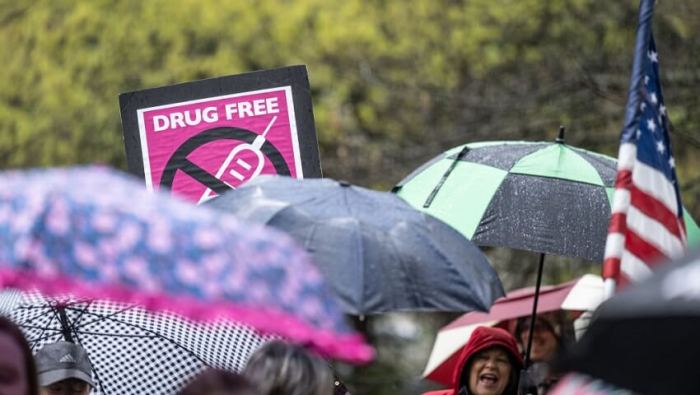
The spread of misinformation and disinformation on social media platforms like Facebook has become a significant concern, particularly regarding health-related topics such as vaccinations. Individuals with substantial followings, often referred to as influencers, can wield considerable influence over their audience’s beliefs and behaviors. This influence can be particularly potent when it comes to complex issues like vaccine hesitancy, where personal experiences and anxieties can easily be amplified and distorted.The influence of Facebook influencers on vaccine doubt is multifaceted.
Their reach extends beyond immediate social circles, impacting a larger, potentially global audience. This amplified reach, coupled with the often-casual and easily digestible nature of social media content, can lead to the rapid spread of misinformation. This rapid spread can be particularly problematic for topics like vaccines, where public trust is paramount for effective health campaigns.
Potential Influencers Expressing Vaccine Doubt
Certain individuals on Facebook, often with significant followings and established authority within their communities, have publicly expressed doubt about coronavirus vaccines. These influencers might be health professionals, alternative medicine practitioners, or individuals who have gained prominence through online communities.
Arguments and Evidence Used by Influencers
These influencers often use a range of arguments and “evidence” to support their claims. These can include:
- Misinterpreted scientific studies: Influencers may selectively cite or misrepresent data from scientific studies, often focusing on potential side effects while ignoring the overwhelming evidence of vaccine efficacy and safety. They may highlight rare, anecdotal side effects while downplaying the far more common and severe outcomes of the disease itself.
- Anecdotal evidence: They might present personal experiences or those of others as proof of vaccine harm, ignoring the lack of rigorous scientific methodology behind such accounts. This personal testimony can be compelling, especially when presented with emotional appeal, but it is not a substitute for clinical trials or epidemiological data.
- Conspiracy theories: Some influencers may promote conspiracy theories about the vaccine’s development or motivations, often drawing on pre-existing mistrust or suspicion of established institutions. These theories, often lacking factual basis, can erode public trust in healthcare systems and scientific research.
- Misinformation about vaccine ingredients: Misleading claims about the ingredients in vaccines, often associating them with harmful substances, can fuel vaccine hesitancy. These claims are frequently debunked by medical professionals but can gain traction due to their emotional appeal and perceived authenticity.
Motivations Behind Influencers’ Actions
Understanding the motivations behind these influencers’ actions is crucial to counter their influence effectively. Potential motivations could include:
- Financial gain: Some influencers may profit from promoting products or services that contradict scientific consensus, such as alternative therapies or supplements.
- Personal beliefs: A strong personal conviction about the vaccine’s safety can drive an influencer to advocate against it, even if their information is inaccurate or misleading.
- Seeking attention: The desire for online recognition or engagement can incentivize the dissemination of controversial content, particularly if it generates a strong reaction.
- Political agendas: In some cases, political motivations or affiliations could influence the promotion of vaccine hesitancy, potentially to challenge established norms or support specific ideologies.
Public Health Messaging on Facebook and its Effectiveness
Public health campaigns targeting vaccine hesitancy on Facebook face a unique set of challenges. The platform’s vast user base and diverse demographics present both opportunities and hurdles for disseminating accurate information and countering misinformation. Effective messaging requires understanding the nuances of Facebook’s environment, including the algorithm’s role in content visibility, the prevalence of echo chambers, and the varying levels of trust among different user groups.
Successfully combating vaccine hesitancy demands a strategic approach that considers these factors and tailors messages to resonate with specific audience segments.The effectiveness of public health messaging on Facebook hinges on several key factors. These include clarity, emotional connection, and a focus on addressing specific concerns rather than simply asserting facts. Successful campaigns must transcend mere dissemination of information and instead foster engagement and trust.
Ultimately, influencing behavior and attitudes requires a holistic strategy that acknowledges the complexities of social media interactions.
Examples of Public Health Messaging
Public health organizations have utilized various approaches in their Facebook campaigns. One common strategy is the use of infographics and short videos to present key information concisely and visually appealingly. Another method is to share personal stories of individuals who have benefited from vaccination, creating an emotional connection with the audience. For example, a post showcasing the experiences of healthcare workers dealing with vaccine-preventable diseases can build empathy and demonstrate the real-world impact of vaccination.
Comparison of Different Approaches
Different approaches to countering misinformation exhibit varying degrees of success. Fact-checking initiatives, while crucial, can sometimes be perceived as aggressive or dismissive. Instead, a more empathetic approach focusing on addressing underlying concerns and fears, combined with clear, factual information, often proves more persuasive. For example, a campaign addressing anxieties about vaccine side effects could include a segment focusing on the rarity and severity of these effects, backed by reliable data, in addition to highlighting the benefits of vaccination.
Conversely, campaigns solely relying on aggressive rhetoric or simply repeating facts without context may have limited effectiveness.
Factors Influencing Message Success
Several factors influence the effectiveness of public health messages on Facebook. The tone and style of communication play a critical role. A condescending or accusatory tone can alienate audiences and reinforce existing distrust. Conversely, a respectful and empathetic approach that acknowledges concerns can create a more receptive environment. Furthermore, tailoring messages to different demographics, considering cultural contexts, and acknowledging individual concerns are vital for engagement.
Designing Compelling Messages for Different Demographics
Effective public health messages on Facebook must be tailored to different demographics. For example, messages aimed at younger audiences might benefit from engaging visuals, humor, and a more conversational tone, while those aimed at older audiences might emphasize the experiences of trusted figures and emphasize the long-term benefits of vaccination. Additionally, understanding the specific concerns and priorities of different communities and ethnic groups is essential for crafting messages that resonate with them.
Effectiveness Measurement and Adaptation
Public health organizations should track the performance of their messages, analyzing metrics like reach, engagement, and sentiment. Analyzing the data will help determine what is resonating with the target audience and what areas require improvement. This data-driven approach allows for adapting strategies in real-time, making campaigns more effective. For example, monitoring comments and feedback can reveal underlying anxieties or misconceptions that require further clarification.
Visual Content and Vaccine Hesitancy on Facebook
Visual content plays a significant role in shaping public perception on Facebook, and the coronavirus vaccine is no exception. Images, videos, and infographics often act as powerful persuasive tools, sometimes amplifying vaccine hesitancy by disseminating misinformation or exploiting emotional vulnerabilities. Understanding the types of visuals circulating and the techniques employed is crucial for effective public health messaging.
Examples of Visual Content
Visual content on Facebook related to coronavirus vaccines often includes misleading or emotionally charged images, videos, or infographics. These can depict exaggerated side effects, questionable scientific findings, or portrayals of conspiracy theories. A common example is a manipulated image of a medical professional looking distressed, accompanied by a claim of vaccine-related injury. Another example is a video of a person claiming vaccine-induced illness, without proper medical context.
Infographics might present cherry-picked data to support unfounded claims of vaccine dangers.
Facebook’s research into vaccine hesitancy surrounding the coronavirus is fascinating, but I’m also super excited about the upcoming Android 14 QPR1 beta, which is coming soon! Android 14 QPR1 beta coming soon. While the social media giant’s work could shed light on misinformation and trust issues, I wonder how the new features in Android 14 might influence people’s attitudes toward vaccines in the future.
It’s an interesting connection, really.
Impact on Public Perception
Visual content, especially when emotionally charged, can significantly impact public perception. Images and videos evoke strong emotional responses, which can override rational thought processes and contribute to vaccine hesitancy. People tend to trust visual information, especially if it comes from a source they deem credible, even if the information is inaccurate. The visual presentation of data or evidence can influence how individuals interpret and understand complex scientific information.
Persuasive Techniques in Visual Content
Visual elements often utilize various persuasive techniques to influence public opinion. These include:
- Emotional appeals: Visuals designed to evoke fear, anxiety, or anger regarding vaccines can be very effective in swaying opinions, even if the information is inaccurate. For example, a video showing a person experiencing a dramatic reaction might evoke fear and suspicion towards the vaccine.
- Authority figures: Visuals featuring medical professionals, celebrities, or respected figures may be used to lend credibility to unsubstantiated claims. An image of a doctor standing next to a misleading infographic can appear more legitimate, even if the infographic contains false data.
- Scarcity and urgency: Visuals that create a sense of limited availability or a pressing need for action can generate a sense of urgency and encourage immediate reactions. This can be seen in images claiming that the vaccine supply is dwindling, leading people to believe it is necessary to act immediately.
Categorization of Visual Content and Emotional Response
The table below categorizes different types of visual content and the potential emotional responses they can elicit.
| Type of Visual Content | Potential Emotional Response |
|---|---|
| Images depicting exaggerated side effects | Fear, anxiety, distrust |
| Videos of individuals claiming vaccine-related illnesses | Fear, sympathy, distrust |
| Infographics presenting misleading data | Confusion, skepticism, distrust |
| Visuals featuring celebrities or authority figures endorsing false claims | Trust, acceptance (misplaced) |
| Images using conspiratorial imagery | Suspicion, distrust, fear of the unknown |
Historical Context of Vaccine Hesitancy and Facebook
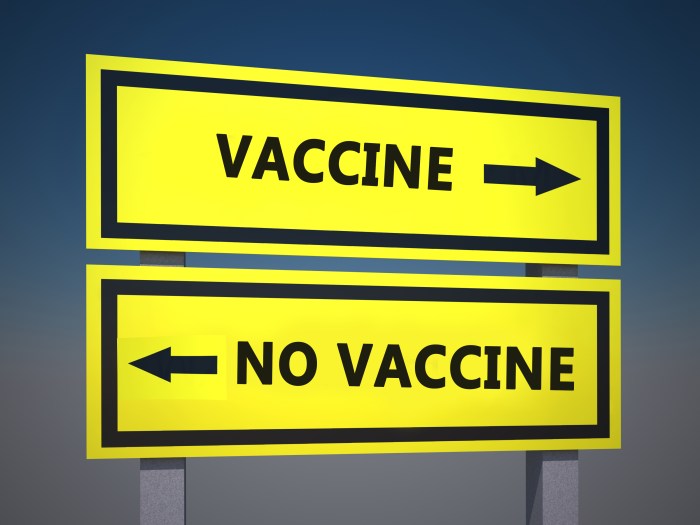
The hesitancy towards vaccines, a phenomenon with roots stretching back centuries, has taken on a new dimension in the digital age, particularly on platforms like Facebook. Understanding this historical context is crucial to comprehending the current challenges in promoting vaccine uptake. Examining past vaccine controversies and comparing them to the present-day social media landscape, specifically on Facebook, reveals patterns that shed light on how these platforms can either amplify or diminish existing trends.The history of vaccine hesitancy is intertwined with the history of public health campaigns.
From the early days of vaccination campaigns against smallpox to more recent campaigns against diseases like measles and polio, resistance to vaccines has manifested in various forms, from religious objections to concerns about safety. The internet and social media have created a new battlefield in this ongoing debate.
Historical Overview of Vaccine Hesitancy
Vaccine hesitancy is not a new phenomenon. Throughout history, there have been instances of resistance to vaccination, often driven by misinformation, fear, and distrust. These concerns were often amplified by social factors, community beliefs, and a lack of understanding of the science behind vaccines. For example, the anti-vaccination movement gained traction in the late 18th and 19th centuries, fueled by concerns about the safety of new vaccines and the perceived intrusion of government mandates.
Similarly, the rise of anti-vaccine groups in the 20th century highlighted the persistent power of distrust in medical authorities.
Comparison with the Current Facebook Context
The rise of social media, particularly Facebook, has provided a new platform for vaccine hesitancy to spread and amplify. The ease of information sharing, the creation of online communities, and the potential for echo chambers on Facebook can contribute to the rapid spread of misinformation and the reinforcement of existing doubts about vaccines. This modern context differs from historical contexts in the speed and scale at which information can be disseminated and the potential for coordinated disinformation campaigns.
The interconnected nature of Facebook, allowing users to interact with a wider network of people, can either reinforce or challenge pre-existing beliefs.
Role of Social Media in Amplifying/Diminishing Trends, Facebook research vaccine hesitancy doubt coronavirus
Social media platforms can both amplify and diminish existing trends. By connecting individuals with similar views, social media can create echo chambers where pre-existing doubts about vaccines are reinforced and solidified. Conversely, social media can also be a platform for disseminating accurate information and promoting public health messaging. Effective public health campaigns on Facebook can help to counter misinformation and build trust in vaccines.
The challenge lies in ensuring that the platforms are used responsibly to counteract misinformation and encourage factual discussions.
Link Between Past Vaccine Controversies and the Current Climate on Facebook
Past vaccine controversies, often involving concerns about adverse effects or perceived government overreach, have created a fertile ground for distrust in vaccines. This distrust, amplified by social media, particularly on Facebook, can lead to vaccine hesitancy and lower vaccination rates. The spread of misinformation on Facebook often echoes themes from past controversies, exploiting existing anxieties and fears. This demonstrates a direct link between historical events and the current climate on Facebook, where past anxieties are resurrected and amplified in the digital space.
Ultimate Conclusion
In conclusion, the Facebook research on vaccine hesitancy and coronavirus doubt reveals a concerning trend. Social media platforms, particularly Facebook, can be powerful tools for misinformation dissemination. This research highlights the critical need for effective public health messaging and the importance of critical thinking in evaluating information online. Addressing vaccine hesitancy requires a multifaceted approach that considers the specific factors influencing online discussions and the impact of influencers.
The findings emphasize the importance of adapting communication strategies to the unique characteristics of online communities.