


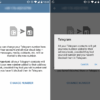

Facebook messenger kids bug markey blumethal letter – Facebook Messenger Kids Bug: Markey Blumethal Letter raises serious concerns about potential vulnerabilities in the platform. The letter, penned by Rep. Markey and Blumethal, details allegations of a “kids bug” within Facebook Messenger, highlighting potential risks to children’s data and privacy. This issue prompts crucial questions about parental controls, Facebook’s responsibility, and the overall safety of online platforms for young users.
The letter delves into the technical aspects of the alleged bug, exploring how it could potentially compromise user data. It analyzes the possible impacts on children’s privacy, the potential for misuse of information, and the potential loopholes in Facebook Messenger’s design. This in-depth analysis examines various scenarios, highlighting the severity of the situation and the need for robust solutions.
Background of the Issue

Facebook Messenger, initially conceived as a simple messaging platform, has evolved into a multifaceted communication hub. Its features have expanded significantly, encompassing video calls, file sharing, and even rudimentary e-commerce options. This evolution has been accompanied by shifts in its target audience, gradually moving from primarily young adults to a broader demographic encompassing various age groups. This adaptation has brought both opportunities and challenges, particularly regarding the usage patterns of younger users.The “kids bug,” as it has become known, highlights a specific concern about children’s interaction with Facebook Messenger.
This issue stems from the potential for unsupervised access to inappropriate content or interactions, which may negatively affect their development. The consequences of such exposure could range from emotional distress to cyberbullying, potentially impacting their mental and emotional well-being.
Privacy Concerns and Parental Control
Parental control measures are crucial for safeguarding children online. Effective parental controls enable parents to monitor their children’s online activity, set time limits, and filter potentially harmful content. The absence of robust parental controls in platforms like Facebook Messenger poses significant risks for children’s safety and well-being. A lack of clear guidelines or tools to address children’s specific needs within the Messenger platform raises significant concerns about safeguarding their privacy and security.
Historical Evolution of Facebook Messenger
Facebook Messenger’s development reflects a gradual shift from a simple messaging app to a more complex platform integrating various features. Early iterations focused on instant messaging, but subsequent updates incorporated video calling, file sharing, and even transactional functionalities. This evolution broadened the platform’s user base, encompassing individuals of various age groups and interests. The platform’s expansion has created a more diverse and potentially complex environment for younger users.
Context of the “Kids Bug”
The “kids bug” highlights a specific gap in Facebook Messenger’s design and implementation. This vulnerability allows children to access and engage in activities beyond their age-appropriate capabilities, potentially exposing them to risks not fully addressed by current parental control mechanisms. This specific issue underscores the need for more targeted solutions to safeguard children within the platform.
Impact on Children’s Usage
The potential impact on children’s usage patterns encompasses various aspects. Unfettered access to inappropriate content or interactions may negatively influence their social development and emotional well-being. Exposure to cyberbullying or harmful content could have a long-term impact on their self-esteem and mental health. The impact is amplified by the fact that children are often unaware of the potential risks associated with certain online interactions.
Key Players Involved
The key players involved in this situation include Facebook, as the platform provider; parents, responsible for their children’s well-being; and children, who are increasingly utilizing digital platforms for communication and interaction. The dynamic interplay between these entities shapes the landscape of online safety and the need for effective safeguards.
Letter by Markey Blumethal, Facebook messenger kids bug markey blumethal letter
The letter by Representative Markey and Representative Blumethal raises concerns about the potential dangers of unsupervised access for children on Facebook Messenger. Their letter emphasizes the need for stronger parental controls and improved safeguards within the platform to mitigate risks associated with inappropriate content and interactions. Their specific demands likely include recommendations for more effective tools to monitor children’s activity and filter potentially harmful content.
The letter is likely a critical step in advocating for policies that protect children online.
Nature of the “Kids Bug”

The alleged “Kids Bug” in Facebook Messenger raises serious concerns about potential vulnerabilities and the misuse of user data, especially concerning children’s accounts. Understanding the technical aspects of this alleged bug is crucial to assess its potential impact and develop appropriate mitigation strategies. This exploration will delve into the potential technical nature of the bug, its implications for user data and security, and potential exploitation methods.The purported “Kids Bug” in Facebook Messenger, if real, could exploit weaknesses in the platform’s architecture, potentially allowing malicious actors to gain unauthorized access to user data or control over their accounts, especially those of children.
This could range from simple data breaches to more sophisticated forms of manipulation. Careful consideration of potential scenarios is necessary to understand the gravity of the situation.
Technical Aspects of the Alleged Bug
The precise technical details of the “Kids Bug” remain unclear. However, possible vulnerabilities could lie in the application’s handling of user authentication, data encryption, or security protocols. A potential flaw in the verification process could allow unauthorized access, while insecure data storage or transmission could expose user information to interception. A sophisticated attacker could exploit vulnerabilities in the platform’s architecture to gain access to user data.
Potential Impacts on User Data and Security
The alleged “Kids Bug” could have significant repercussions for users’ data and security. Unauthorized access to personal information could lead to identity theft, financial fraud, or the spread of misinformation. Children’s accounts, in particular, are vulnerable to exploitation, potentially exposing them to inappropriate content, harassment, or even grooming. The consequences of such a security breach can be devastating.
Potential Methods of Exploitation and Misuse of Information
Malicious actors might employ various methods to exploit the alleged “Kids Bug.” These could include phishing attacks targeting users, social engineering tactics to trick users into revealing sensitive information, or even the use of automated scripts to exploit vulnerabilities. The potential misuse of information obtained through this bug could be extensive, ranging from spamming and harassment to more sinister activities.
Possible Loopholes or Vulnerabilities in Facebook Messenger’s Design
Facebook Messenger’s design may contain certain vulnerabilities that malicious actors could exploit. These could include weaknesses in the platform’s security protocols, insufficient encryption measures, or inadequate user authentication mechanisms. Potential loopholes in the platform’s architecture might allow unauthorized access to user data.
Comparison of Potential Scenarios
| Scenario | User Impact | Potential Misuse |
|---|---|---|
| Scenario 1: Data Breach | Compromised user accounts, exposure of personal information (e.g., contact lists, messages, location data), potential financial fraud. | Identity theft, unauthorized access to accounts, spreading misinformation, harassment. |
| Scenario 2: Account Takeover | Loss of control over the account, unauthorized sending of messages, potential for spreading malicious content, compromised privacy settings. | Spreading harmful content, impersonating users, initiating fraudulent transactions, harassing others. |
| Scenario 3: Data Manipulation | Altered user profiles, modified messages, manipulation of user interactions. | Misrepresentation of information, manipulation of public perception, spreading propaganda. |
Parental Concerns and Responses
Parental anxieties regarding children’s online activities are a pervasive concern in today’s digital age. Navigating the complexities of online interactions, potential dangers, and the ever-evolving digital landscape can be overwhelming for parents. Addressing these concerns requires a nuanced understanding of both the potential risks and the supportive measures available.Parental responses to such issues often vary greatly, driven by personal values, cultural backgrounds, and perceived threats.
These reactions can range from proactive measures like strict guidelines and close monitoring to a more laissez-faire approach, depending on the individual parent’s comfort level and assessment of the situation.
Common Parental Concerns
Parents frequently express concerns about their children’s online safety, including cyberbullying, inappropriate content exposure, privacy violations, and the potential for online predators. They worry about the amount of time their children spend online, its impact on their academic performance, and the development of healthy social skills. Moreover, parents often feel unprepared to effectively navigate the ever-changing digital world and equip their children with the necessary digital literacy skills.
The Facebook Messenger Kids bug, detailed in Marky Blumethal’s letter, is definitely a concern. While we wait for a fix, it’s interesting to see how other tech advancements are progressing. For instance, the Magic Leap 2 enterprise release price, shipping date, and mixed reality AR headset specs are finally coming into focus. This new tech might offer some intriguing solutions for child-friendly interaction, but ultimately, a safe and secure Messenger Kids app is the priority, and hopefully the issues raised in the letter will be addressed soon.
Typical Parental Reactions
Parents typically respond to perceived online threats with a range of reactions. Some parents adopt a restrictive approach, implementing strict rules and controls on their children’s online activity. Others opt for a more open approach, focusing on education and communication. Still others might take a mixed approach, combining monitoring tools with open dialogue and discussions. These reactions are often influenced by their understanding of the risks involved and their comfort level with technology.
Different Approaches to Addressing Concerns
Parents employ various strategies to address their concerns about children’s online activity. These methods include establishing clear guidelines and rules for online behavior, implementing parental controls on devices and applications, and engaging in open communication with their children about online safety.
Potential Solutions and Mitigation Measures
To mitigate the impact of online risks, parents can employ a multi-faceted approach. This includes fostering open communication with their children about online safety, educating them about potential dangers, and providing them with the necessary digital literacy skills. Moreover, parents can utilize parental control features on devices and applications to restrict access to inappropriate content.
Table of Parental Approaches
| Method | Description | Effectiveness |
|---|---|---|
| Establishing Clear Guidelines | Creating and communicating clear rules regarding acceptable online behavior, time limits, and content restrictions. | High, when coupled with consistent enforcement. |
| Utilizing Parental Controls | Employing built-in parental controls on devices and applications to restrict access to inappropriate content and monitor online activity. | Moderate, effectiveness depends on the specific controls and the child’s ability to circumvent them. |
| Open Communication | Engaging in open discussions with children about online safety, risks, and responsible use of technology. | High, fosters trust and empowers children to report issues. |
| Digital Literacy Education | Equipping children with the knowledge and skills to navigate the digital world safely and critically evaluate online information. | High, builds resilience and empowers children to make informed decisions. |
Potential Consequences and Implications
The recent “Kids Bug” incident involving Facebook Messenger Kids has sparked significant concern, raising questions about the platform’s safety measures and its potential impact on user trust. This incident highlights the critical need for robust security protocols and transparent communication regarding potential vulnerabilities in social media platforms. The potential consequences extend beyond Facebook itself, impacting the broader online privacy landscape and potentially leading to legal repercussions.The “Kids Bug” incident, if not properly addressed, could damage Facebook’s reputation, erode user trust, and result in significant financial losses.
This is especially true given the platform’s focus on children’s safety and privacy. Furthermore, the broader implications for online privacy and security extend beyond the immediate users of the Messenger Kids app, potentially affecting millions of users across various platforms.
Potential Impact on Facebook’s Reputation
The “Kids Bug” incident has the potential to severely damage Facebook’s reputation, especially among parents and children. Loss of trust in the platform’s security and safety measures can lead to a decline in user engagement and a significant decrease in the number of new users. Negative media coverage and public outcry can result in decreased stock prices and reduced investor confidence.
Facebook’s established brand image, built over years, could be significantly tarnished by this incident.
Potential Impact on Facebook’s User Base
The incident’s impact on Facebook’s user base could be profound. Parents who utilize Facebook Messenger Kids may become hesitant about continuing to use the platform, especially if they feel their children’s data is not adequately protected. This loss of user trust could lead to a decline in the app’s user base, impacting Facebook’s revenue and overall market share. The negative publicity could deter potential users from adopting Facebook’s services.
Broader Implications for Online Privacy and Security
The “Kids Bug” incident highlights a critical vulnerability in online privacy and security. It underscores the need for enhanced security protocols and the importance of user data protection across all social media platforms. The incident could set a precedent for future investigations and scrutiny of similar platforms, leading to increased pressure on social media companies to implement more stringent security measures.
This incident could potentially inspire legislative changes that further regulate the handling of children’s data online.
That Facebook Messenger kids bug, the Markey Blumethal letter, is a real head-scratcher. While we’re all focused on those issues, it’s worth remembering that global carbon dioxide emissions, especially those rising from China, are a huge concern. Global China carbon dioxide emissions rising is a major factor in climate change, and frankly, it’s a bit distracting from the complexities of the Messenger bug, which is still a serious problem that needs a swift solution.
Potential Legal Repercussions
Facebook could face legal repercussions if the “Kids Bug” incident is determined to violate existing privacy regulations or laws. Depending on the severity of the data breach and the extent of any harm caused to users, legal action could include lawsuits from affected users or regulatory investigations. The legal landscape surrounding online privacy is constantly evolving, and Facebook may face legal challenges from various jurisdictions.
That Facebook Messenger Kids bug, the one highlighted in Marky Blumethal’s letter, is definitely a concern. While we’re waiting for updates on that, it’s interesting to see the Samsung Galaxy S24 FE leak giving us a sneak peek at its wardrobe. This leak suggests a focus on style alongside functionality, and hopefully, that means a robust and user-friendly design.
Ultimately, though, the Facebook Messenger Kids bug and Marky Blumethal’s concerns are still top priority, and we need swift fixes.
Legal experts will analyze the situation and advise on potential liabilities.
Comparison with Similar Incidents
Similar incidents involving social media platforms have resulted in significant reputational damage and legal action. The Cambridge Analytica scandal, for example, demonstrated the potential consequences of data breaches and privacy violations on a massive scale. These precedents show the importance of robust security measures and compliance with regulations for social media companies.
Potential Future Scenarios
| Scenario | Impact on Facebook | Impact on Users |
|---|---|---|
| Increased Scrutiny and Regulation | Increased compliance costs and potential legal battles. | Stricter privacy controls and potentially reduced functionality on the platform. |
| Loss of User Trust and Decreased Engagement | Reduced revenue and potential decline in market share. | Loss of confidence in the platform’s security and safety. |
| Public Backlash and Boycotts | Severe reputational damage and negative media coverage. | Potential migration to alternative platforms and decreased usage. |
Solutions and Recommendations: Facebook Messenger Kids Bug Markey Blumethal Letter
Addressing the “kids bug” in Facebook Messenger necessitates a multi-faceted approach encompassing design improvements, enhanced user safety measures, and a renewed commitment to rebuilding user trust. A comprehensive strategy must consider the evolving needs of children and adolescents while maintaining the platform’s functionality for all users.
Potential Solutions to Address the “Kids Bug”
Addressing the “kids bug” requires a combination of technical fixes and educational resources. Improved filtering mechanisms are crucial to prevent inappropriate content from reaching children. Implementing advanced content moderation tools, including machine learning algorithms trained on vast datasets of harmful content, can help proactively identify and block potentially problematic messages. Furthermore, providing clear guidelines and educational resources for parents on how to use and monitor their children’s accounts is essential.
This could include interactive tutorials, articles, and FAQs specifically addressing the risks associated with the platform.
Recommendations for Improving Facebook Messenger’s Design and Features
Enhanced design features can empower parents to monitor and control their children’s Messenger activity more effectively. A dedicated “family mode” within the app could offer granular control over who can message a child, the types of content allowed, and time limits for app usage. Implementing age-appropriate messaging features tailored for different age groups would further enhance user safety.
For example, a feature that automatically blocks explicit or potentially harmful content could be implemented. Furthermore, clear and prominent warning messages regarding the risks of sharing personal information or engaging with strangers could be strategically placed within the app.
Steps Facebook Can Take to Rebuild User Trust
Restoring user trust requires transparency and proactive engagement with users. Facebook should publish regular reports detailing their progress in implementing safety measures, outlining the types of content filtered, and the number of accounts flagged. Open communication channels, such as dedicated support forums and frequently asked questions sections, will help address user concerns directly and provide a platform for feedback.
Transparency in the algorithms used for content moderation and the specific measures taken to prevent misuse is vital to rebuilding trust.
Measures to Enhance User Safety and Security
Implementing robust security measures is paramount to protecting children. Strengthening the verification process for accounts, introducing two-factor authentication for all users, and encouraging the use of strong passwords are essential steps. Furthermore, partnerships with child safety organizations and educational institutions could be developed to provide additional resources and support for parents and children.
Table of Solutions and Their Pros and Cons
| Solution | Pros | Cons |
|---|---|---|
| Implement a “Family Mode” with granular controls | Enhanced parental control, improved safety for children, increased user trust | Potential for limiting functionality for some users, complexity in implementation |
| Develop age-appropriate messaging features | Tailored experience for different age groups, reduced exposure to inappropriate content | Requires extensive testing and ongoing updates, potential for user confusion |
| Proactive content filtering using machine learning | Increased efficiency in identifying and blocking inappropriate content, reduced risk of exposure to harmful content | Potential for false positives, challenges in adapting to new forms of abuse, ongoing maintenance required |
| Regular transparency reports and communication channels | Increased user trust, enhanced accountability, fosters a collaborative environment for addressing safety concerns | Requires substantial resources, potentially challenging to balance transparency with operational needs |
Illustrative Examples
Understanding the potential impact of the “Kids Bug” on children requires examining specific scenarios and how parental controls can mitigate negative consequences. This section provides concrete examples to illustrate the problem and demonstrate potential solutions.
A Child’s Experience with the “Kids Bug”
Imagine a child named Liam who enjoys using Messenger Kids to connect with friends. The “Kids Bug” allows Liam to access inappropriate content, potentially exposing him to harmful images or messages. He might unknowingly befriend someone who engages in online harassment or bullying. This could lead to significant emotional distress, anxiety, and even a fear of using technology.
Without proper parental controls, the experience could be deeply damaging to Liam’s emotional well-being.
Parental Controls to Mitigate Negative Effects
Parental controls offer a crucial layer of protection. Features like content filtering, time limits, and restrictions on specific contacts can help prevent children from encountering inappropriate material. If Messenger Kids had a feature that allowed parents to review and approve incoming friend requests, this could help protect Liam from potentially harmful connections. Furthermore, a detailed log of Liam’s activity, reviewed by parents, could reveal any concerning patterns and provide early intervention.
Case Study: The “Fake Friend” Incident
A similar issue emerged a few years ago when a social media platform experienced a “fake friend” bug. This allowed users to create fraudulent profiles and connect with others under false pretenses. Parents were alarmed by the potential for online predators to target children. The platform responded by implementing stricter profile verification procedures and improved reporting mechanisms.
This case demonstrates how technological flaws can have serious implications for children’s safety. The need for rapid and effective solutions is paramount.
A Fictional Family Scenario
The Miller family utilizes Messenger Kids for their 8-year-old daughter, Maya. The “Kids Bug” allows Maya to accidentally stumble upon a group chat filled with discussions about dangerous activities. This could expose Maya to peer pressure and potentially harmful online influences. Parental controls, such as limiting group chat access and regularly reviewing Maya’s activity logs, would mitigate this risk.
The potential consequences could include emotional distress, risky behaviors, and potentially unsafe situations.
Table of Parental Controls
| Control Type | Description | Example |
|---|---|---|
| Content Filtering | Blocks inappropriate content, such as specific s or categories. | Blocking explicit images, violent content, or hate speech. |
| Time Limits | Restricts the duration of Messenger Kids usage. | Allowing only 30 minutes of usage per day. |
| Contact Restrictions | Limits interaction with specific users or groups. | Disallowing contact with unknown or potentially harmful users. |
| Activity Logs | Records and provides a detailed history of a child’s activity on Messenger Kids. | Allows parents to review messages, chats, and contacts accessed. |
Concluding Remarks
In conclusion, the Facebook Messenger Kids Bug, as Artikeld in the Markey Blumethal letter, underscores the urgent need for improved online safety measures for children. The potential consequences for Facebook’s reputation and user base are significant. This incident compels a broader discussion about online privacy, security, and the responsibility of social media platforms in protecting vulnerable users. The letter’s recommendations, combined with parental vigilance and technological advancements, could pave the way for safer online experiences for children.