


Earth moon atmosphere oxygen share lunar soil: This fascinating exploration delves into the intricate relationship between Earth’s atmosphere, the Moon’s composition, and the potential for extracting oxygen from lunar soil. We’ll examine the Earth’s atmosphere, highlighting its oxygen levels and comparing them to other planets. Understanding the Moon’s makeup, from its unique soil to its interactions with Earth’s atmosphere, will be crucial in uncovering the possibility of oxygen extraction.
This journey promises to reveal intriguing insights into the resources and potential of our celestial neighbor.
The detailed analysis will cover the chemical composition of lunar soil, contrasting it with Earth’s soil. We’ll examine the interactions between Earth’s atmosphere and the Moon, including the role of solar wind and Earth’s magnetic field. The potential for extracting oxygen from lunar soil will be explored, along with the challenges and opportunities this presents for future space missions.
This investigation into lunar resources and their potential applications in space exploration promises a comprehensive overview of this captivating field.
Earth’s Atmosphere and Oxygen
The Earth’s atmosphere is a complex and dynamic system, crucial for life as we know it. Its composition, particularly the presence of oxygen, is a result of billions of years of geological and biological processes. Understanding this atmosphere’s makeup and the factors maintaining its current state is essential for comprehending our planet’s history and future.The Earth’s atmosphere is not a static entity; its composition and characteristics have evolved significantly over time.
These changes have been driven by various factors, including volcanic eruptions, biological activity, and even asteroid impacts. This dynamic nature underscores the intricate relationship between the atmosphere, the planet’s surface, and the life forms that inhabit it.
Composition of Earth’s Atmosphere, Earth moon atmosphere oxygen share lunar soil
The Earth’s atmosphere is primarily composed of nitrogen (approximately 78%) and oxygen (approximately 21%). The remaining 1% consists of trace gases such as argon, carbon dioxide, neon, helium, methane, and others. The relative abundance of these gases plays a vital role in various atmospheric processes. For example, carbon dioxide is crucial for photosynthesis, while trace gases can influence the atmosphere’s temperature.
Role of Oxygen in the Atmosphere
Oxygen is essential for the survival of most aerobic organisms on Earth. It is a key component in the process of cellular respiration, providing energy for various life functions. The presence of oxygen in the atmosphere is a direct consequence of photosynthetic activity by plants and other photosynthetic organisms. These organisms utilize sunlight to convert carbon dioxide and water into sugars and release oxygen as a byproduct.
Processes Maintaining Oxygen Levels
The Earth’s oxygen levels are maintained through a delicate balance between photosynthetic production and consumption by respiration. Photosynthesis continually replenishes oxygen, while respiration, both biological and chemical, uses it up. The ongoing interplay of these processes keeps the atmospheric oxygen levels relatively stable. Furthermore, chemical reactions involving the breakdown of certain atmospheric compounds also play a role in the oxygen cycle.
For example, reactions involving nitrogen oxides or sulfur compounds can influence the concentration of oxygen.
Comparison with Other Planetary Atmospheres
Earth’s atmosphere stands out from other planets in our solar system due to its significant oxygen content and the presence of free oxygen. Mars, for instance, has a very thin atmosphere, primarily composed of carbon dioxide. Venus’s atmosphere is extremely dense and contains a high concentration of carbon dioxide, resulting in a runaway greenhouse effect. Jupiter’s atmosphere is primarily hydrogen and helium.
These differences highlight the unique conditions that led to the development of life on Earth.
Layers of Earth’s Atmosphere
The Earth’s atmosphere is divided into several layers, each with distinct characteristics.
| Layer Name | Altitude Range (km) | Temperature Characteristics | Key Gases |
|---|---|---|---|
| Troposphere | 0-10 | Decreases with altitude | Nitrogen, Oxygen, Water Vapor |
| Stratosphere | 10-50 | Increases with altitude (due to ozone layer) | Ozone, Nitrogen, Oxygen |
| Mesosphere | 50-85 | Decreases with altitude | Nitrogen, Oxygen, Helium |
| Thermosphere | 85-600+ | Increases with altitude | Oxygen, Nitrogen, Hydrogen, Helium |
Historical Changes in Atmospheric Oxygen
The concentration of oxygen in Earth’s atmosphere has fluctuated significantly throughout geological time. Early Earth’s atmosphere had little to no free oxygen. The “Great Oxidation Event” around 2.4 billion years ago marked a significant increase in oxygen levels, largely due to the evolution of photosynthetic organisms. This event had a profound impact on the development of life on Earth, paving the way for more complex organisms.
Variations in oxygen levels over time can be studied through analysis of geological records, offering valuable insights into the planet’s history.
The Moon’s Composition and Lunar Soil
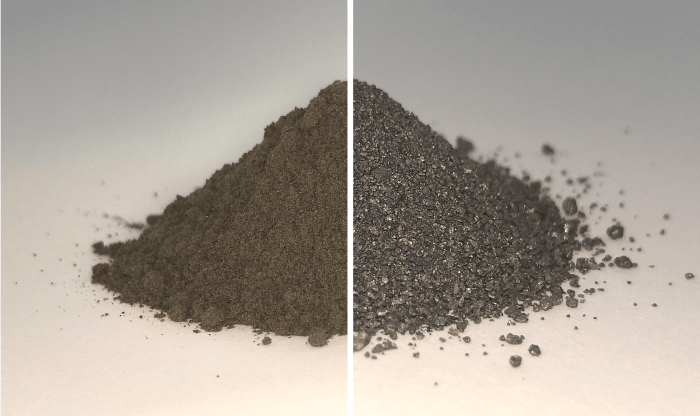
The Moon, Earth’s celestial companion, holds a wealth of information about our solar system’s history. Analyzing its composition, particularly its lunar soil, provides valuable insights into the Moon’s formation and evolution. Lunar soil, unlike Earth’s, is largely devoid of organic matter and displays unique characteristics reflecting its geological past. Understanding its makeup is crucial for future lunar exploration and resource utilization.Lunar soil, formally known as regolith, is a layer of loose, unconsolidated material covering the Moon’s surface.
This material differs significantly from Earth’s soil, primarily due to the absence of atmospheric weathering and biological processes. The regolith’s composition and structure are shaped by impacts from asteroids and comets, volcanic activity, and the solar wind.
The Earth-Moon system, with its shared atmosphere and oxygen, and the mysteries of lunar soil composition are fascinating. But, the intricacies of space exploration also include technological advancements like falcon zero day flash detection , which can help us better understand and safely navigate the vastness of space. Ultimately, understanding the Earth-Moon connection and lunar soil composition remains crucial for future space exploration.
Chemical Composition of Lunar Soil
The lunar regolith is primarily composed of minerals derived from the Moon’s mantle and crust. Key minerals include plagioclase feldspar, pyroxene, and olivine. Trace amounts of other minerals and elements, such as titanium, iron, and aluminum, are also present. The precise proportions of these components vary depending on the specific location on the Moon.
“The chemical composition of lunar soil is largely silicate-based, reflecting the dominant rock types found on the Moon’s surface.”
Formation and Characteristics of Lunar Soil
The lunar regolith formed primarily through impacts from space debris over billions of years. These impacts pulverized the underlying rock, creating a layer of fragmented material. The continuous bombardment resulted in a highly fragmented and porous structure. The regolith’s texture is typically fine-grained, ranging from dust-like particles to larger gravel-sized aggregates. The characteristics of the regolith are also influenced by the lunar environment, including micrometeoroid impacts and solar wind irradiation.
These processes affect the surface’s composition and properties.
Comparison with Earth’s Soil
Earth’s soil, unlike lunar regolith, is significantly affected by biological activity, water, and atmospheric processes. Earth’s soil typically contains organic matter, and its structure is more complex, influenced by vegetation and soil organisms. The lunar regolith, lacking these elements, displays a significantly different structure and composition. The lack of atmospheric gases also results in a stark difference in the chemical composition and structure.
Methods for Studying Lunar Soil Samples
Various methods are employed to analyze lunar soil samples. These include microscopic examination to identify mineral components, chemical analysis to determine the elemental composition, and spectroscopic analysis to determine the minerals’ properties. These techniques provide valuable data to understand the Moon’s geological history and its potential resources.
Summary Table of Lunar Soil Types
| Soil Type | Location | Key Components | Color |
|---|---|---|---|
| Mare Regolith | Lunar maria (dark plains) | Basalt, plagioclase feldspar, pyroxene | Dark gray to black |
| Highland Regolith | Lunar highlands | Anorthosite, plagioclase feldspar, pyroxene, olivine | Light gray to brownish |
| Impact Melt Glass | Impact craters | Various minerals, glass | Dark gray to black |
Atmosphere-Moon Interaction: Earth Moon Atmosphere Oxygen Share Lunar Soil
The Moon, Earth’s closest celestial neighbor, is constantly interacting with our planet’s atmosphere. This interaction isn’t just a passive exchange; it shapes the environment of both bodies in subtle yet significant ways. Understanding these dynamics is crucial for comprehending the broader context of our solar system.The Earth’s atmosphere, a vast blanket of gases, extends far beyond the lunar surface.
While not directly touching the Moon’s surface in a conventional sense, atmospheric phenomena and processes exert an influence on the Moon, particularly through the agency of solar wind and Earth’s magnetic field.
Earth’s Atmospheric Influence on the Moon
The Earth’s atmosphere plays a crucial role in shielding the Moon from certain types of solar radiation. This shielding effect is most pronounced in the regions where the Moon is closest to Earth, and where the Earth’s magnetosphere is most effective. Furthermore, atmospheric particles can contribute to the deposition of materials on the lunar surface, though this process is less significant compared to other factors.
Role of Solar Wind
Solar wind, a constant stream of charged particles emanating from the Sun, significantly impacts both Earth’s and the Moon’s atmospheres. It bombards the Moon’s surface, depositing charged particles and potentially altering the surface composition over long periods. This process can also contribute to the creation of a tenuous lunar exosphere, a very thin atmosphere of gases that are constantly escaping into space.
Earth’s atmosphere, in turn, is significantly influenced by solar wind, shaping the magnetosphere and causing auroras.
Earth’s Magnetic Field and the Moon’s Atmosphere
Earth’s magnetic field acts as a protective shield, deflecting most of the solar wind. This deflection is not absolute, and some solar wind particles can still interact with the Moon. The interaction of the solar wind with Earth’s magnetosphere creates a complex interplay of forces that influences both the Earth’s and the Moon’s environments. The strength of the magnetic field, its orientation, and the intensity of the solar wind are key factors in determining the degree of this influence.
Key Factors Influencing Atmosphere-Moon Interaction
| Factor | Mechanism | Observed Outcome | Example |
|---|---|---|---|
| Solar Wind | Direct bombardment of the lunar surface with charged particles. | Surface alteration, potential for creating a lunar exosphere. | Localized charging of lunar dust, impacting the efficiency of future lunar missions. |
| Earth’s Magnetic Field | Deflection of solar wind particles around Earth, creating the magnetosphere. | Shielding the Moon from some solar wind particles, affecting the extent of the lunar exosphere. | Variations in the Earth’s magnetic field strength leading to changes in the lunar environment. |
| Earth’s Atmosphere | Atmospheric particles, possibly depositing materials on the lunar surface. | Potentially contributing to lunar surface composition, though less significant compared to other factors. | The long-term accumulation of dust particles, potentially affecting future lunar exploration. |
| Lunar Surface Properties | The lunar surface’s composition and topography. | Influencing the trapping and retention of solar wind particles. | Different crater regions on the Moon showing varying levels of impact from solar wind particles. |
Oxygen on the Moon and its Potential
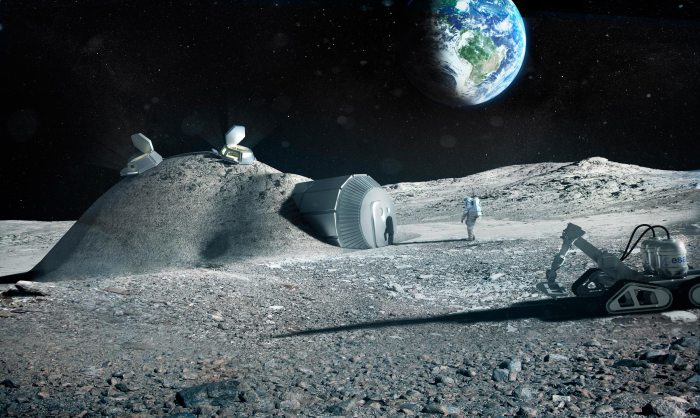
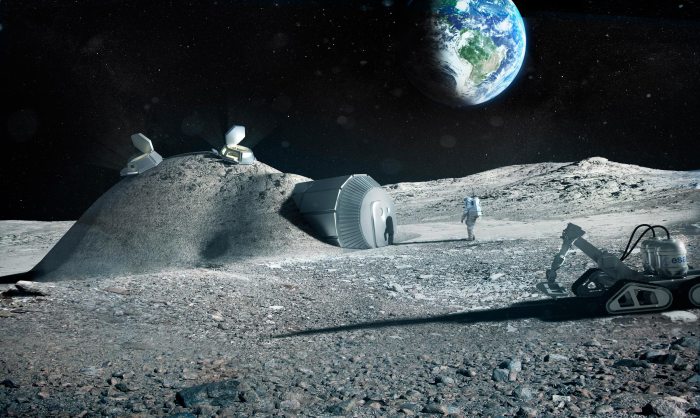
The Moon, a seemingly barren world, holds a significant potential for future space exploration and resource utilization. A key component in this potential is the availability of oxygen, a crucial resource for life support and propellant production in space missions. Understanding the presence of oxygen on the Moon and the potential for extracting it is paramount for planning sustainable lunar operations.
Absence of Breathable Oxygen
Oxygen in its free, breathable form is not present on the Moon’s surface in any significant quantity. The Moon’s extremely thin exosphere contains trace amounts of oxygen atoms, but these are not in a form readily usable by humans or spacecraft. The absence of a substantial atmosphere means no significant free oxygen exists.
Extracting Oxygen from Lunar Soil
Lunar soil, known as regolith, contains oxygen chemically bound within minerals. The extraction of this oxygen requires specialized techniques to break these bonds and release the oxygen. This process, though challenging, offers a pathway to creating a sustainable lunar presence. The primary challenge is the energy needed to break these chemical bonds and the efficiency of the extraction process.
This process is crucial for future lunar bases, life support systems, and propellant production for spacecraft.
Challenges and Opportunities
Obtaining oxygen from lunar resources presents both challenges and opportunities. Challenges include the extreme temperature fluctuations on the Moon, the need for specialized equipment for extraction, and the potential for contamination during the process. Opportunities include the potential for a self-sufficient lunar presence, a source of propellant for deep space missions, and the development of new technologies for resource utilization in harsh environments.
These technologies have implications beyond lunar operations, potentially impacting resource extraction on Earth and other celestial bodies.
The Earth’s moon, with its unique atmosphere and lack of oxygen, presents a fascinating contrast to our planet. Sharing insights into lunar soil composition is crucial for future space exploration, and tools like Google Gemini’s iOS and Android app, Duet Bard , could potentially help us analyze the complex interplay between Earth, moon, and atmosphere. Understanding the shared elements like oxygen, and lunar soil characteristics, will be key to unlocking the mysteries of our celestial neighbors.
Potential Applications in Future Space Missions
Lunar oxygen could serve numerous applications in future space missions. It could provide life support for astronauts during extended stays on the Moon or during missions to other destinations in the solar system. It can also be used as a crucial component in rocket propellant, reducing the need for transporting it from Earth. Further, the availability of oxygen could drastically lower the cost of future space exploration.
This would allow for more frequent and extended missions to the Moon and beyond.
Methods for Oxygen Extraction from Lunar Soil
Several methods are being explored for extracting oxygen from lunar regolith. The success of these methods hinges on the efficiency and cost-effectiveness of the process.
| Method | Advantages | Disadvantages | Examples |
|---|---|---|---|
| Thermal Decomposition | Relatively simple process, potentially using existing technologies. | High energy consumption, potential for contamination, limited purity of the extracted oxygen. | Heating regolith to release oxygen. |
| Electrochemical Reduction | Potentially higher purity of oxygen, more environmentally friendly than thermal decomposition. | Requires specialized equipment, may be more energy-intensive than thermal methods. | Using electrolysis to extract oxygen. |
| Chemical Reduction | Could use readily available materials, potentially lower energy consumption than thermal methods. | Complex chemical processes, potentially low yield. | Chemical reactions to release oxygen. |
| Combination of Methods | Potential for improved efficiency and purity. | Complexity and higher cost. | Combining different approaches for optimal results. |
Earth-Moon Oxygen Exchange (If Applicable)
The intricate dance between Earth and the Moon extends beyond their gravitational pull. Could there be a subtle exchange of oxygen between these celestial bodies? While a significant transfer of oxygen is not currently observed, exploring the possibility reveals fascinating insights into the lunar environment and potential implications for future space exploration.Current scientific understanding suggests no substantial, direct oxygen exchange between Earth and the Moon.
This absence is primarily due to the Moon’s lack of a substantial atmosphere and the immense distance between the bodies. However, the possibility of trace or indirect exchange remains a subject of ongoing research.
Evidence for Oxygen Exchange
The lunar surface exhibits traces of oxygen, predominantly in the form of bound oxygen within minerals. However, this oxygen is largely derived from the Moon’s own internal processes or impacts. While some oxygen may be released from the lunar surface by solar wind interactions or micrometeoroid impacts, there is no direct evidence supporting a significant influx of oxygen from Earth’s atmosphere.
The Earth, Moon, and atmosphere’s shared oxygen and lunar soil composition are fascinating. It’s amazing how the resources of space relate to our everyday tech like the Amazon Echo Frames, which has sleep mode, top contact, auto volume, and wake word functions. A deeper understanding of this connection between the lunar soil and the Echo Frames’ features, as detailed in this article amazon echo frames sleep mode top contact auto volume wake word ios sms , offers a surprising perspective on the interconnectedness of seemingly disparate subjects.
Further research into this connection between our planet’s resources and advanced technology could unlock new possibilities in space exploration and technology development. Ultimately, understanding the shared oxygen and lunar soil is crucial to appreciating the complex relationships in the universe.
Possible Mechanisms for Exchange
Several hypothetical mechanisms could potentially facilitate oxygen exchange, although none have been definitively confirmed. These include:
- Solar Wind Interactions: Energetic particles from the Sun, such as solar wind, could potentially interact with the lunar surface, releasing oxygen. While not directly originating from Earth, this process might contribute to the overall oxygen inventory on the Moon.
- Micrometeoroid Impacts: The impact of micrometeoroids on the lunar surface could dislodge oxygen atoms or molecules. Again, the origin of this oxygen wouldn’t be directly from Earth.
- Transient Atmospheric Phenomena: Occasional, brief atmospheric events on the Moon, if they exist, could potentially be influenced by Earth’s atmosphere or its magnetic field. However, there is no direct observation or theoretical basis for these transient atmospheric phenomena.
Potential Implications
The existence of a significant oxygen exchange between Earth and the Moon would have profound implications for both bodies. For the Moon, it could influence the long-term evolution of its surface and composition. For Earth, it might contribute to our understanding of the overall chemical cycles in our solar system.
Scientific Methods for Detection
Several scientific methods are employed to investigate the possibility of oxygen exchange, including:
- Remote Sensing: Sophisticated telescopes and instruments on spacecraft can analyze the lunar surface composition, searching for signs of oxygen enrichment or depletion in specific areas. This data can be compared to measurements of oxygen on Earth.
- Sample Return Missions: Returning lunar samples to Earth allows scientists to conduct in-depth laboratory analyses. The presence of specific isotopes of oxygen can provide clues about the origin of the oxygen in the lunar soil.
- Modeling: Sophisticated computer models can simulate the interactions between Earth’s atmosphere, the solar wind, and the lunar surface. These models can help identify potential pathways for oxygen exchange and predict the expected results.
Current Scientific Understanding
“The current scientific consensus is that a substantial, direct oxygen exchange between Earth and the Moon is highly unlikely. While trace amounts of oxygen might be exchanged through indirect processes, these are not currently considered significant or observable. Further research is needed to explore the possibility of more subtle or indirect interactions.”
Resources and Potential Uses
The Moon, a seemingly barren celestial body, holds a wealth of resources waiting to be harnessed. Understanding these resources and their potential applications is crucial for future space exploration and potentially even for advancements on Earth. This exploration of lunar resources goes beyond simple scientific curiosity; it touches on the economic and strategic implications of establishing a human presence in space.The abundance of resources on the Moon offers opportunities for in-situ resource utilization (ISRU), drastically reducing the need to transport materials from Earth.
This reduces launch costs, increases operational flexibility, and opens up possibilities for longer-duration missions and sustained human settlements. Furthermore, the unique properties of lunar resources could revolutionize various industries, including materials science and energy production.
Potential Lunar Resources
Lunar resources are diverse and extend beyond just surface materials. The Moon’s regolith, a layer of loose dust and rock, is a rich source of several valuable elements. Also, significant amounts of water ice have been discovered in permanently shadowed craters, offering the potential for life support and propellant production.
Potential Applications in Space Exploration
The utilization of lunar resources in future space exploration is multifaceted. Regolith, with its unique composition, could be processed to create building materials, rocket fuel, and even oxygen. Water ice, when extracted and processed, provides crucial life support for astronauts and serves as a vital resource for propellant production, dramatically reducing the mass required for missions. This significantly lowers the costs and logistical complexities associated with space travel.
Comparison with Other Celestial Bodies
Compared to other celestial bodies, the Moon offers a unique combination of resource availability and accessibility. While asteroids may contain specific metals in high concentrations, the Moon’s abundance of water ice and readily accessible regolith makes it a compelling target for ISRU. Mars, while possessing some potential resources, presents greater challenges in terms of extraction and transport due to its distance and environmental conditions.
This makes the Moon an ideal stepping stone for further exploration and colonization of the solar system.
Economic Potential
The economic potential of lunar resource exploitation is significant. The development of lunar mining and processing industries would create new jobs and stimulate economic growth, similar to the development of other resource extraction industries on Earth. The creation of a lunar economy would not only generate wealth but also establish a sustainable and independent presence in space. This economic development would have global implications, fostering international cooperation and technological advancements.
Summary Table of Lunar Resources
| Resource | Extraction Method | Potential Use | Challenges |
|---|---|---|---|
| Regolith | Mechanical harvesting, sorting, and processing | Construction materials, rocket fuel, oxygen, glass | Dust mitigation, material processing, efficient extraction |
| Water Ice | Thermal extraction, sublimation | Life support, rocket propellant, oxygen | Efficient extraction in permanently shadowed craters, contamination concerns |
| Helium-3 | Specialized extraction techniques | Nuclear fusion fuel | Presence and concentration, efficient extraction, safety concerns |
| Rare Earth Elements | Chemical separation techniques | Advanced electronics, high-tech industries | Presence and concentration, cost-effective extraction |
Final Summary
In conclusion, the intricate relationship between Earth’s atmosphere, the Moon’s composition, and the potential for lunar oxygen extraction is a compelling topic. Understanding the Earth-Moon connection, the Moon’s unique soil, and the challenges of oxygen extraction reveals a vast array of potential applications for future space exploration. From the historical changes in Earth’s atmosphere to the potential for extracting resources from the Moon, this exploration unveils the boundless possibilities that lie within our solar system.