



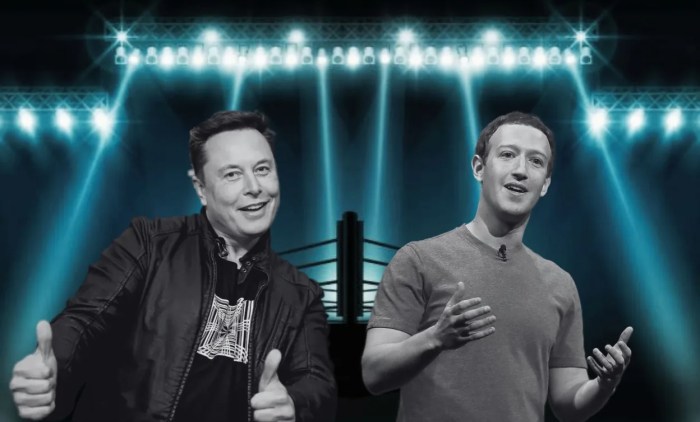
Command Line Musk versus Zuckerberg: The digital landscape is constantly reshaped by titans like Elon Musk and Mark Zuckerberg. Their contrasting approaches to business, communication, and innovation are fueling a fascinating debate. This exploration delves into their divergent strategies, from direct communication to social media influence, examining their technological visions, business models, and public perception. Prepare to witness a clash of digital titans.
This analysis dissects the distinct methods each executive uses, comparing their direct communication styles with their traditional approaches. Public statements, tweets, and press conferences will be scrutinized, offering a unique perspective on the individuals’ leadership styles and communication methods. Furthermore, the impact of their social media presence on their businesses and the wider public discourse will be explored.
Introduction to the Digital Landscape
The digital landscape is a constantly evolving arena, shaped by the innovative forces and strategic decisions of key players. Elon Musk and Mark Zuckerberg, titans of technology, have profoundly influenced this space through their contrasting approaches and philosophies, leaving an indelible mark on the industries they dominate. Their public statements and actions, often polarizing, reflect their distinct visions for the future of technology and its impact on society.
Understanding their divergent strategies is crucial to comprehending the current digital terrain.The differing approaches of Musk and Zuckerberg stem from fundamental differences in their respective companies’ missions and target markets. Musk’s focus often leans toward disruptive innovation and pushing the boundaries of technology, while Zuckerberg’s strategy emphasizes established platforms and social connectivity. This creates a dynamic interplay, constantly reshaping the digital environment through competition, collaboration, and innovation.
Contrasting Approaches and Philosophies
Musk and Zuckerberg, despite operating in similar sectors, possess fundamentally different approaches to business. Musk often prioritizes long-term vision and disruptive technology, even if it means taking significant risks. Zuckerberg, conversely, favors a more established and measured approach, focusing on user experience and maintaining existing platforms.
Examples of Public Statements and Actions
Musk’s public pronouncements often showcase a more unconventional and audacious style. For instance, his frequent tweets and bold statements regarding Tesla’s ambitions and SpaceX’s space exploration goals exemplify his aggressive and visionary approach. In contrast, Zuckerberg’s public communications often emphasize the company’s commitment to user safety and platform growth. This difference in communication styles directly reflects the distinct personalities and strategic priorities of each individual.
Musk’s and Zuckerberg’s command-line battles are fascinating, but the recent firing of Timnit Gebru’s team at Google, as detailed in this public statement , raises important questions about the ethical implications of AI development. It’s a stark reminder that these tech titans’ focus on command-line innovation needs to be balanced with responsible development practices, making the whole Musk vs.
Zuckerberg narrative feel a bit hollow.
Key Differences in Business Models and Strategies
Musk’s business models, particularly in the automotive and aerospace sectors, often rely on innovative technologies and ambitious ventures. Tesla’s development of electric vehicles and SpaceX’s pursuit of reusable rockets are examples of this innovative, long-term approach. Zuckerberg’s business model centers around user engagement and data collection, as seen in the continued development of Facebook, Instagram, and WhatsApp. These platforms generate revenue through targeted advertising and user engagement.
Comparison of Financial Performance and Growth
Analyzing the financial performance of companies like Tesla and SpaceX against Facebook’s demonstrates contrasting growth patterns. Tesla’s stock price has fluctuated significantly, reflecting the risks associated with disruptive technologies. Facebook’s stock, while also experiencing fluctuations, has generally exhibited more stable growth due to its established platform and consistent revenue streams.
Market Reactions to Public Statements and Actions
The market’s reaction to the public statements and actions of Musk and Zuckerberg reveals varied levels of acceptance and trust. Musk’s bold pronouncements often generate significant market volatility, either driving investor enthusiasm or causing concern. Zuckerberg’s more measured approach generally results in more predictable market responses.
Line Approaches
The digital landscape is increasingly shaped by the communication styles of its prominent figures. Elon Musk and Mark Zuckerberg, at the helm of powerful tech companies, employ vastly different approaches to engage with the world and their user bases. Understanding these differences is crucial to comprehending the evolving dynamics of the digital sphere.The contrasting communication strategies of these titans reveal not only their personal styles but also the underlying philosophies driving their respective companies.
Musk, known for his unconventional tactics, often uses direct and provocative language, while Zuckerberg leans towards a more traditional, calculated approach, prioritizing a controlled image. Analyzing these approaches allows us to understand the different ways they cultivate public perception and interact with their respective communities.
Direct Communication vs. Traditional Approach
Musk’s communication style is characterized by directness, often prioritizing speed and bluntness over nuanced explanations. He frequently utilizes social media platforms, particularly Twitter, to express opinions, make announcements, and respond to criticism. This direct approach, while potentially effective in generating immediate attention, can also lead to misunderstandings and misinterpretations.Zuckerberg, conversely, tends towards a more calculated and traditional communication strategy.
He often relies on press conferences, carefully crafted statements, and pre-planned announcements to manage public perception. This measured approach aims to present a more controlled and professional image, but can sometimes appear less spontaneous or engaging.
Public Image and Communication Styles
| Characteristic | Elon Musk | Mark Zuckerberg |
|---|---|---|
| Public Image | Often perceived as unconventional, outspoken, and somewhat controversial. | Generally presented as more reserved, calculated, and focused on maintaining a professional image. |
| Communication Style | Direct, often provocative, and frequently utilizing social media. | Traditional, measured, and prioritizing controlled communication channels like press conferences. |
| Examples (Public Statements/Tweets/Press Conferences) | “Tesla is on track to revolutionize the electric vehicle market” (Tweet); Announcement of significant company changes through brief, direct statements. | “Meta is committed to fostering a positive digital environment for all users” (Press Conference statement); More comprehensive and detail-oriented statements outlining company goals. |
Methods of User Interaction
Musk’s approach to user interaction often involves a blend of direct engagement on social media and more sporadic responses to feedback. He engages directly with users on Twitter, responding to concerns, complaints, and praise. This creates a sense of direct connection, but can also lead to public disputes or controversies.Zuckerberg’s approach involves a more structured system for user interaction.
Meta employs various platforms for user feedback, including dedicated support channels and community forums. This structured approach aims to provide a more manageable and controlled environment for user interaction. It prioritizes a more organized and measured response.
Social Media Influence and Impact
The digital landscape has profoundly altered how we interact, consume information, and form opinions. Social media platforms, particularly those helmed by influential figures like Elon Musk and Mark Zuckerberg, have become powerful tools for shaping public discourse and influencing global trends. This section delves into the intricate ways in which these two titans of social media have impacted their respective platforms and the broader public sphere.The rise of social media has been a catalyst for both positive and negative societal shifts.
While platforms provide unprecedented avenues for communication and information dissemination, they also carry the potential for manipulation, misinformation, and polarization. Analyzing the impact of Musk and Zuckerberg on these platforms is crucial to understanding their influence on public perception and the evolution of the social media ecosystem.
Musk’s Influence on Twitter
Elon Musk’s acquisition of Twitter, and his subsequent changes to the platform, have generated considerable discussion and analysis. His approach to content moderation, user engagement, and platform design has significantly altered the public perception of Twitter. The platform’s evolution reflects Musk’s bold and often controversial strategies, which have resonated across the globe.
- Content Moderation Changes: Musk’s implementation of a more permissive approach to content moderation sparked widespread debate. The decision to allow a wider range of viewpoints, even those considered offensive or harmful by some, raised concerns about the platform’s role in fostering civil discourse and public safety. For example, the removal and reinstatement of certain accounts generated significant controversy.
- Impact on User Engagement: The shift in moderation policies has undeniably impacted user engagement. While some users praised the increased freedom of expression, others criticized the perceived decline in platform safety and quality. The resulting increase in inflammatory rhetoric and negativity created a more polarizing environment.
- Changes in Business Strategy: Musk’s acquisition and subsequent changes have had a significant effect on Twitter’s financial performance and user base. The company faced challenges and a drop in revenue due to user dissatisfaction, and some analysts have pointed to a decrease in advertising revenue as a result of the changing user experience.
Zuckerberg’s Influence on Facebook
Mark Zuckerberg’s role in shaping Facebook’s evolution has been equally impactful. His focus on community building, user experience, and platform features has played a key role in how Facebook operates and how the public perceives the platform.
- Focus on Community and Connectivity: Facebook’s core mission has always been to connect people globally. Zuckerberg’s leadership has centered on fostering this connection and improving user experience. His efforts have resulted in a platform that connects people across vast distances, enabling communication and sharing of information across different cultures and backgrounds.
- Evolution of Platform Features: Zuckerberg has been instrumental in the development of various platform features, including the integration of messaging services and the implementation of new ways for users to interact with one another. These developments have significantly influenced how people use the platform and communicate with each other.
- Impact on Public Perception: Facebook’s influence on public perception is undeniable. It has become a primary source of information, communication, and social interaction for many people worldwide. However, the platform has also faced scrutiny for its role in spreading misinformation, exacerbating political polarization, and impacting mental health.
Comparative Analysis
While both Musk and Zuckerberg have significantly shaped social media trends, their approaches and impacts differ. Musk’s strategies, particularly on Twitter, have been more focused on free speech and user engagement, while Zuckerberg’s approach at Facebook has prioritized community building and user experience.
| Feature | Musk (Twitter) | Zuckerberg (Facebook) |
|---|---|---|
| Core Philosophy | Free speech, user engagement | Community building, user experience |
| Content Moderation | More permissive | More stringent |
| Impact on Public Perception | Increased polarization, user debate | Community building, user interaction |
Technological Visions and Innovation
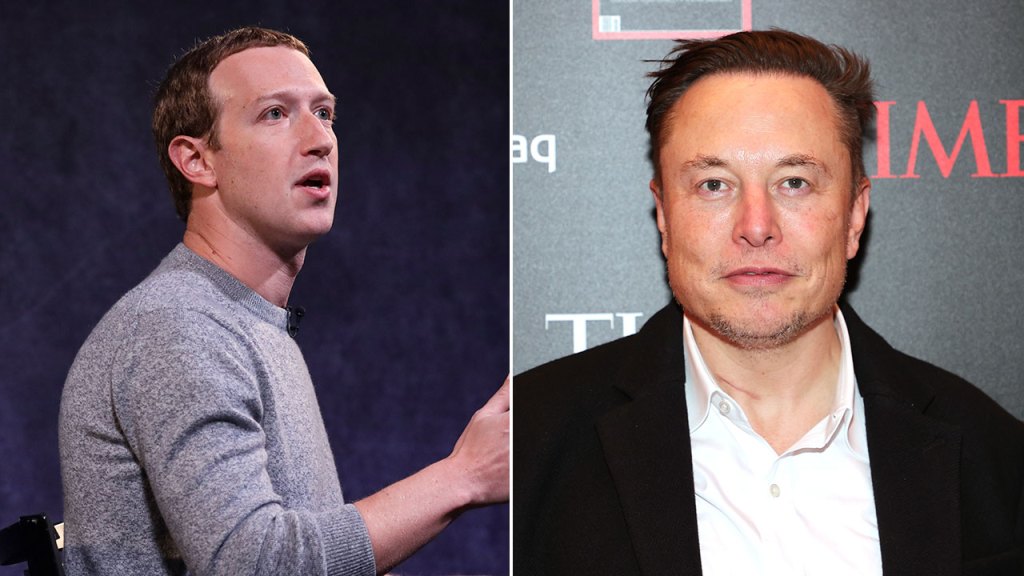
The digital landscape is constantly evolving, driven by visionary entrepreneurs and their relentless pursuit of technological advancement. Elon Musk and Mark Zuckerberg, two titans of the tech world, embody distinct approaches to innovation, shaping the future of technology in their own unique ways. Their differing perspectives, fueled by their individual backgrounds and motivations, contribute to a dynamic and competitive environment that pushes boundaries and drives progress.The contrast between Musk’s focus on radical breakthroughs and Zuckerberg’s emphasis on incremental improvements, while potentially leading to disparate outcomes, fosters a rich and multifaceted technological ecosystem.
Understanding their respective visions is key to comprehending the possible trajectory of technological development.
Comparison of Technological Visions
Musk’s vision is characterized by a forward-thinking, often audacious approach. He prioritizes transformative technologies, aiming to fundamentally alter existing systems and address global challenges. This is exemplified by his ambitious projects in space exploration, electric vehicles, and artificial intelligence. Zuckerberg, on the other hand, is more focused on refining existing platforms and technologies to enhance their user experience and maximize their potential within the existing digital framework.
His strategy revolves around incremental improvements and expanding the reach of his core social media products.
Musk’s Approach to Innovation
Musk’s approach to innovation is often characterized by a disruptive, bold, and sometimes controversial strategy. He is known for his relentless pursuit of ambitious projects, frequently pushing the boundaries of what is currently possible. His company, SpaceX, exemplifies this approach, aiming to establish human settlements on Mars. Tesla’s mission to revolutionize the automotive industry with electric vehicles also falls under this framework.
The command-line battles between Musk and Zuckerberg are definitely interesting, but honestly, I’m more hyped about the upcoming VR rhythm shooter, Audica, from Harmonix. They’ve announced a release date for their new VR game, Harmonix rhythm shooter VR game Audica , and it’s looking pretty promising. Still, while I’m excited about virtual reality, I can’t help but wonder how this new game will impact the larger tech battle between the two titans.
Maybe it’s just me, but this whole command-line tech war feels a bit… dated.
The emphasis is on pushing the boundaries of technology, even if it involves significant risks and uncertainties.
Zuckerberg’s Approach to Innovation
Zuckerberg’s approach is more incremental and collaborative. He emphasizes building upon existing platforms and technologies, focusing on continuous improvement and expanding their functionality and user base. Facebook, now Meta, demonstrates this, constantly refining its social media platform and integrating new features. His vision centers on expanding the reach and utility of social media, rather than creating completely new technologies from scratch.
This approach, while less disruptive, aims to provide substantial improvements within the existing framework.
Key Technological Projects and Ventures
| Figure | Project/Venture | Description |
|---|---|---|
| Elon Musk | SpaceX | Developing reusable rockets and spacecraft for space exploration and transportation. Aiming for interplanetary travel. |
| Elon Musk | Tesla | Designing and manufacturing electric vehicles and battery technology. Promoting sustainable transportation. |
| Elon Musk | Neuralink | Developing brain-computer interfaces. Aiming to enhance human capabilities and treat neurological disorders. |
| Mark Zuckerberg | Meta | Expanding the social media platform’s reach and functionality, including virtual reality and augmented reality technologies. |
| Mark Zuckerberg | Developing a platform for sharing photos and videos. | |
| Mark Zuckerberg | Developing a platform for instant messaging and communication. |
Business Strategies and Models
The digital landscape is fiercely competitive, and success hinges on innovative business strategies. Elon Musk and Mark Zuckerberg, leaders in their respective tech empires, have employed distinct approaches that have shaped their companies’ trajectories. Understanding these strategies, models, and revenue streams provides valuable insights into the dynamics of the tech industry.
Differing Business Models
Musk’s approach emphasizes disruptive innovation and vertical integration, often with a focus on long-term, ambitious goals. Zuckerberg, conversely, prioritizes the optimization of existing platforms and maximizing user engagement, aiming for consistent, predictable growth. This fundamental difference in approach permeates their respective business models.
Musk’s Business Strategies
Tesla, SpaceX, and Twitter exemplify Musk’s focus on vertical integration and ambitious projects. He aims to control the entire value chain, from raw materials to end-user experience. Tesla’s vertically integrated approach allows for cost control and direct customer interaction, whereas SpaceX’s ambitious space exploration projects demonstrate a long-term vision. Musk’s strategies often involve high-risk, high-reward ventures.
Zuckerberg’s Business Strategies
Zuckerberg’s strategies center on platform optimization and user engagement. Facebook’s ecosystem is designed to maximize user time spent on the platform, fostering a virtuous cycle of data collection, targeted advertising, and user retention. This strategy is evident in the continuous updates and improvements to the Facebook platform and its related services, prioritizing user experience and engagement.
Revenue Streams and Financial Performance
Both companies generate revenue from various sources. Tesla’s revenue primarily comes from vehicle sales, while SpaceX’s revenue comes from government contracts and commercial launches. Facebook’s revenue is primarily generated from advertising, leveraging the vast user base and detailed user data to maximize ad effectiveness.
Comparison of Financial Performance Metrics
| Metric | Tesla | |
|---|---|---|
| Revenue (USD Billions) | ~70 (2022) | ~118 (2022) |
| Net Income (USD Billions) | ~3 (2022) | ~25 (2022) |
| Market Capitalization (USD Billions) | ~700 (2023) | ~1000 (2023) |
Note: Financial data is approximate and may vary depending on the source. Figures represent recent years’ data and may not be fully representative of all periods.
Musk’s and Zuckerberg’s command-line battles are fascinating, but let’s be real, the everyday user cares more about practical tools. Microsoft Teams presenter mode’s PowerPoint live features, like real-time collaboration and annotations, are incredibly useful. These features, found in microsoft teams presenter mode powerpoint live features , offer a more streamlined presentation experience, making the whole command-line vs.
GUI argument less important for most people. Ultimately, the real power struggle is about which platform best serves the user, not just which one uses the command line.
Impact on Market Position
Musk’s disruptive strategies have positioned Tesla as a leader in electric vehicles, while SpaceX is pushing the boundaries of space exploration. Facebook’s dominance in social media, however, relies on user engagement and platform optimization. Their strategies have profoundly shaped the competitive landscape of their respective industries.
Public Perception and Criticism
Public perception plays a significant role in shaping the actions and trajectories of influential figures like Elon Musk and Mark Zuckerberg. Their public personas, coupled with the impact of their actions, are constantly scrutinized and debated, leading to varying degrees of praise and criticism. This scrutiny extends to their business strategies, technological innovations, and even their personal choices. Understanding these criticisms is crucial to comprehending the complex relationship between public opinion and leadership in the digital age.Public perception, often influenced by media portrayal and social discourse, significantly impacts the strategies and decisions of powerful individuals.
The constant feedback loop between public opinion and corporate/personal actions creates a dynamic environment where individuals must carefully navigate the expectations and criticisms they face. This dynamic can be a powerful force for change or a source of immense pressure.
Key Areas of Criticism for Elon Musk
The public perception of Elon Musk is often polarized. While lauded for his technological innovations and entrepreneurial spirit, he also faces considerable criticism stemming from controversial decisions and public statements. A notable example is the acquisition of Twitter, where Musk’s management style and subsequent changes to the platform have been met with mixed reactions.
- Controversial decisions and actions: Musk’s approach to business often involves bold, unconventional decisions, some of which have been met with public backlash. Examples include controversial tweets, drastic policy changes at companies he leads, and abrupt personnel decisions. The impact of these actions on company performance and public perception varies.
- Communication style: Musk’s communication style, characterized by directness and a sometimes confrontational tone, has alienated certain segments of the public. This style has been interpreted as either bold leadership or insensitive communication, depending on the specific context.
- Lack of transparency: Instances of perceived lack of transparency in business dealings or decision-making processes have been a point of contention. This lack of transparency can erode public trust and create an environment for criticism.

Key Areas of Criticism for Mark Zuckerberg
Mark Zuckerberg, the founder of Facebook, has also faced substantial public criticism. The evolution of his company, from a social platform to a tech giant, has brought a wide range of concerns and debates.
- Privacy concerns: Facebook’s handling of user data and the potential misuse of personal information have been major sources of public criticism and debate. The impact of data breaches and the collection of personal information on users’ privacy has raised significant ethical concerns.
- Spread of misinformation: Facebook’s role in the spread of misinformation and harmful content has been a consistent source of criticism. The platform’s efforts to combat these issues have been viewed as insufficient by many.
- Manipulation of public opinion: The potential for Facebook to manipulate public opinion through targeted advertising and algorithmic filtering has also raised concerns and sparked debate.
Summary of Criticisms and Controversies
| Figure | Key Criticisms | Controversies |
|---|---|---|
| Elon Musk | Controversial decisions, communication style, lack of transparency | Twitter acquisition, abrupt personnel decisions, social media controversies |
| Mark Zuckerberg | Privacy concerns, spread of misinformation, manipulation of public opinion | Data breaches, ethical concerns, platform’s role in societal issues |
Future Implications and Trends: Command Line Musk Versus Zuckerberg
The actions and strategies of Musk and Zuckerberg are profoundly shaping the future of the digital landscape. Their influence extends beyond social media and into areas like electric vehicles, space exploration, and artificial intelligence. Understanding their future implications is crucial for predicting the trends that will define the coming years. Their decisions have the potential to significantly alter the global economy and the way we interact with technology.Their approaches, though differing in style and emphasis, both demonstrate a belief in the power of technological advancement and its potential for profound societal impact.
The long-term consequences of these choices, both positive and negative, are still unfolding, and understanding their implications requires careful consideration of the broader societal context.
Potential Future Directions of Social Media
The future of social media will likely see a continued evolution in how these platforms function and are perceived. Zuckerberg’s emphasis on metaverse integration suggests a shift towards more immersive and interactive experiences, potentially blurring the lines between the physical and digital worlds. Musk’s focus on user engagement and community building could lead to new models for platform moderation and content filtering.
This may involve more nuanced approaches to user verification, and the potential for greater user control over their digital identities.
Evolution of Business Strategies
The strategies employed by both figures are likely to influence the business models of other companies. Musk’s approach to disruptive innovation in the automotive and space industries could encourage other companies to prioritize ambitious, long-term projects. Zuckerberg’s emphasis on creating interconnected platforms could lead to the rise of more integrated services and the convergence of different digital platforms. This could affect how companies develop their products and services, creating a more interconnected and integrated digital landscape.
Impact on Technological Innovation, Command line musk versus zuckerberg
Both Musk and Zuckerberg are driving innovation in technology. Musk’s investments in electric vehicles, renewable energy, and space exploration could lead to significant breakthroughs in these sectors. Zuckerberg’s work on virtual and augmented reality technologies could reshape entertainment, education, and communication. This could result in new ways of interacting with the world, blurring the lines between the physical and virtual realms.
Their activities are pushing the boundaries of what’s technologically possible.
Long-Term Impact on Industries
Musk’s influence on the automotive and aerospace industries is undeniable. His ventures are reshaping these sectors with electric vehicles and space exploration. The long-term impact on these industries could involve a dramatic shift toward sustainability and a new era of space travel. Zuckerberg’s influence on social media and virtual reality will likely continue to transform how people connect and interact.
The long-term consequences of these changes on social dynamics and community interactions remain to be seen.
Final Summary
In conclusion, the comparison of Elon Musk and Mark Zuckerberg’s approaches reveals a complex interplay of direct communication, social media influence, technological visions, and business strategies. Their contrasting methods have shaped the digital landscape in significant ways, raising questions about the future of innovation and leadership. Ultimately, the enduring legacies of these figures remain intertwined with the evolving digital frontier.