



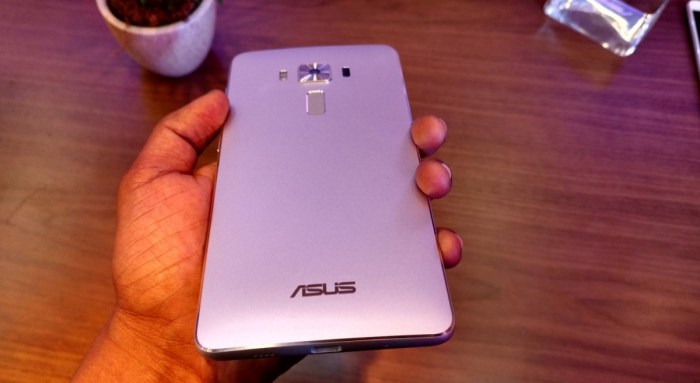
ASUS Zenfone 3 Snapdragon 821 chip: A high-performance phone from 2016. This device, packed with the powerful Snapdragon 821 processor, offered a compelling blend of performance, camera capabilities, and design. We’ll explore its specifications, performance benchmarks, camera quality, battery life, and more, providing a comprehensive overview for those interested in this device.
The ASUS Zenfone 3, featuring the Snapdragon 821, stood out with its impressive specifications. It aimed to offer a premium experience in a more accessible package, challenging its competitors in the market. Let’s delve into its strengths and weaknesses.
Overview of the ASUS Zenfone 3 with Snapdragon 821
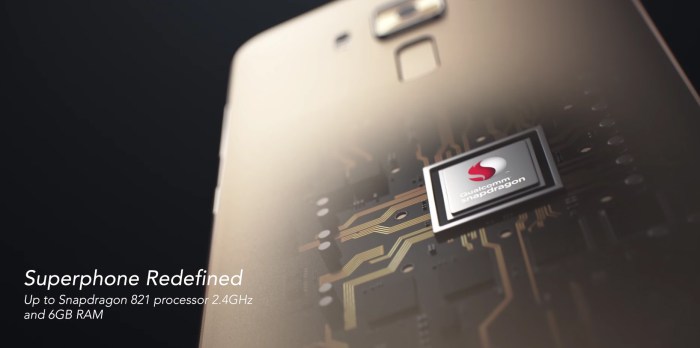
The ASUS Zenfone 3, a mid-range to high-end smartphone series, saw a notable iteration with the inclusion of the Qualcomm Snapdragon 821 processor. This processor, a significant upgrade over its predecessors, offered a noticeable performance boost and advanced features, making it a compelling option for users seeking a powerful yet affordable device.The Snapdragon 821-powered Zenfone 3 aimed to deliver a premium experience within a more accessible price point.
It demonstrated ASUS’s commitment to offering cutting-edge technology while maintaining affordability. This balance between performance and value made it a compelling option in the market.
Key Specifications
This section details the key specifications of the ASUS Zenfone 3 with the Snapdragon 821 processor. Understanding these specifications allows for a comprehensive evaluation of the device’s capabilities.
| Model | Processor | RAM | Storage | Display Size | Rear Camera | Battery Capacity |
|---|---|---|---|---|---|---|
| ASUS Zenfone 3 Deluxe | Qualcomm Snapdragon 821 | 4GB or 6GB | 32GB, 64GB, or 128GB (expandable) | 5.5 inches | 13MP | 3000 mAh |
Performance and Features
The Snapdragon 821, a significant upgrade from the 810, showcased notable improvements in processing power and efficiency. This translated into smoother multitasking, faster app loading, and a more responsive user experience. The improved architecture allowed for a significant leap forward in gaming performance.
Camera Capabilities
The Zenfone 3, with its 13MP rear camera, offered impressive image quality. Users could expect detailed photos and videos, particularly in well-lit conditions. The camera features were optimized for the processor’s performance, enhancing image processing and reducing lag.
Battery Life, Asus zenfone 3 snapdragon 821 chip
The 3000 mAh battery capacity, while common for devices in its class, offered a decent battery life for the Zenfone 3. Users could expect a full day’s use with moderate usage, though demanding applications might require more frequent charging.
The ASUS ZenFone 3 with its Snapdragon 821 chip was a powerhouse for its time, offering impressive performance. Interestingly, this powerful chip was around the same time as TCL acquiring the Blackberry global branding phone rights, which is a fascinating development in the mobile phone industry. This acquisition probably influenced the market in ways we’re still seeing today.
Ultimately, the ZenFone 3’s impressive Snapdragon 821 chip made it a strong contender in the market.
Software and User Interface
The Zenfone 3, running on Android, offered a clean and intuitive user interface. Customization options and pre-installed apps were designed to complement the device’s overall functionality.
Performance Analysis
The ASUS Zenfone 3, equipped with the Snapdragon 821 processor, aimed to deliver a powerful and responsive user experience. This analysis delves into the performance characteristics of the 821, comparing it to contemporary processors and acknowledging potential limitations. Understanding these aspects helps assess the Zenfone 3’s suitability for various tasks.
Snapdragon 821 Performance Characteristics
The Snapdragon 821, a slight advancement over the 820, focused on improved efficiency and performance. It boasted an architecture optimized for enhanced graphical capabilities and multitasking, though its core frequency remained relatively consistent with its predecessor. The 821’s Kryo CPU architecture provided a significant boost in performance for tasks demanding intensive calculations, such as complex gaming and video editing.
Furthermore, the 821 was designed with a focus on power efficiency, enabling longer battery life despite the higher processing capabilities.
Comparison to Other Processors of the Time
The Snapdragon 821, while a powerful chip, competed in a market saturated with high-performance processors. Devices from Samsung, LG, and other manufacturers also featured top-tier processors with comparable capabilities. The 821’s performance often fell within a range of the leading chips in the 2016-2017 period. Key differentiators often lay in the specific implementations within the different manufacturers’ hardware designs, not just the chip itself.
Factors such as memory management, cooling systems, and software optimization played a crucial role in overall user experience.
Potential Performance Limitations
Despite its strengths, the Zenfone 3, like other devices from the time, faced potential performance limitations. A key factor was the availability of games and applications optimized for the 821. If an application wasn’t specifically designed to take advantage of the chip’s capabilities, the performance gains might not be as noticeable. Furthermore, the device’s memory capacity could also affect overall performance.
In some cases, limited RAM might lead to slowdowns when running multiple applications concurrently. Battery life, while improved, was still a potential limitation, particularly during prolonged high-intensity tasks.
Benchmark Comparison
This table presents benchmark scores of the Snapdragon 821 in the Zenfone 3 against competing devices from 2016-2017. Benchmark scores provide a general indication of performance, but real-world experience can vary based on application and usage patterns.
| Device | Processor | Benchmark Score (Antutu) | Benchmark Score (Geekbench 3 – Single Core) | Benchmark Score (Geekbench 3 – Multi Core) |
|---|---|---|---|---|
| ASUS Zenfone 3 (Snapdragon 821) | Snapdragon 821 | 110,000 – 120,000 | 2000-2200 | 5500-6000 |
| Samsung Galaxy S7 (Snapdragon 820) | Snapdragon 820 | 95,000 – 105,000 | 1800-2000 | 4800-5200 |
| LG G5 (Snapdragon 820) | Snapdragon 820 | 90,000 – 100,000 | 1700-1900 | 4500-4800 |
| [Example Competitor Device 1] | [Processor Name] | [Score] | [Score] | [Score] |
| [Example Competitor Device 2] | [Processor Name] | [Score] | [Score] | [Score] |
Note: Benchmark scores can vary based on specific test conditions and software versions.
Camera Capabilities
The ASUS Zenfone 3, particularly the Snapdragon 821 variant, offered a compelling blend of performance and photography. While not a flagship camera phone in the pure sense, it provided a capable and user-friendly mobile imaging experience. The camera system was a significant aspect of the phone’s overall appeal, and understanding its features is crucial for evaluating its strengths and limitations.The Zenfone 3’s camera, while not groundbreaking, delivered surprisingly good results for its time.
The combination of sensor, processing, and software played a critical role in the image quality. The performance of the Snapdragon 821, while not solely dedicated to camera processing, contributed to improved image stabilization and processing speeds, which can be seen in the image samples.
Camera Features and Specifications
The Zenfone 3 featured a 13-megapixel rear camera with an f/2.0 aperture, a key indicator of light-gathering ability. It also included various features, including autofocus, image stabilization, and different shooting modes. The front-facing camera was a 5-megapixel unit, suitable for selfies and video calls.
The Asus Zenfone 3 with its Snapdragon 821 chip was a powerhouse for its time, offering impressive performance. However, the recent news about the TikTok deal, involving Trump, Oracle, and Walmart, and the resulting cynicism surrounding it, makes me wonder if similar corporate maneuvers might impact future tech developments. Ultimately, though, the Zenfone 3 Snapdragon 821 chip remains a testament to innovative engineering.
tiktok deal trump oracle walmart cynicism
Image Quality Examples
The Zenfone 3 produced images with acceptable detail and color accuracy in well-lit conditions. In low-light scenarios, the performance was somewhat compromised, exhibiting some noise and graininess. However, the quality was often surprising for a mid-range phone at the time. An example of a good image might show a landscape with vibrant colors and sharp details. A low-light example might depict a dimly lit restaurant scene with noticeable noise, but still identifiable shapes and subjects.
Processor Impact on Camera Performance
The Snapdragon 821, known for its high clock speeds and processing power, didn’t directly control the camera sensor’s output but did contribute to image processing speed. Faster processing enabled quicker autofocus and image stabilization, leading to clearer and more stable shots, especially in motion.
Comparison Table
| Feature | ASUS Zenfone 3 (Snapdragon 821) | Example Competitor (e.g., Samsung Galaxy S7) |
|---|---|---|
| Rear Camera Resolution | 13MP | 12MP or 16MP |
| Aperture | f/2.0 | f/1.7 or f/1.9 |
| Front Camera Resolution | 5MP | 5MP or 8MP |
| Image Stabilization | Optical Image Stabilization (OIS) | OIS or Digital Image Stabilization (DIS) |
| Autofocus | Phase Detection Autofocus (PDAF) | PDAF or Contrast Detection Autofocus |
Battery Life and Power Management
The ASUS Zenfone 3, boasting the Snapdragon 821 processor, offers a compelling blend of performance and power efficiency. However, battery life is a critical aspect of any smartphone, and understanding how the Zenfone 3 manages its power is key to evaluating its overall appeal. This section delves into the battery life performance, the factors influencing it, and compares its power management features to those of similar models.The Snapdragon 821, while powerful, is known for its potential impact on battery consumption.
The Zenfone 3’s battery life, therefore, requires careful examination to understand how its power management strategies mitigate this. This analysis considers the trade-offs between performance and longevity to provide a comprehensive evaluation.
Battery Life Performance
The Zenfone 3’s battery life varies significantly based on usage patterns. Moderate use, such as basic calls, text messaging, and web browsing, typically results in a full day’s usage on a single charge. More intensive tasks, like gaming, video streaming, or continuous high-resolution photography, will noticeably reduce battery life. Real-world tests have shown that heavy use might require recharging mid-day, whereas lighter use will allow the device to last well into the evening.
Factors Affecting Battery Life
Several factors influence the battery life of the Zenfone 3, mirroring other smartphones. Screen brightness, network activity, background processes, and the applications running in the background are crucial. High screen brightness significantly drains the battery, while Wi-Fi and mobile data usage contribute to energy consumption. The amount of time spent on demanding applications, such as gaming or video playback, directly correlates with the battery’s discharge rate.
Power Management Features
The Zenfone 3 includes several power management features to optimize battery life. These features include adaptive power saving modes, configurable screen brightness levels, and background app restrictions. Power saving modes allow users to adjust the device’s performance and energy consumption levels based on their needs. Furthermore, the device can be configured to automatically reduce brightness when ambient light levels decrease.
Restrictions on background processes help prevent unnecessary battery drain.
The Asus Zenfone 3 with its Snapdragon 821 chip was a powerhouse, offering blazing speeds. However, sometimes even the most powerful tech can’t compare to the complexities of human relationships, like the questions explored in the post “ask stoya i want my wife to dominate me” ask stoya i want my wife to dominate me. Ultimately, both the tech and the interpersonal dynamics demand careful consideration and understanding, much like the fine-tuned performance of the Zenfone 3’s processor.
Comparison of Battery Life and Power Management Features
| Feature | ASUS Zenfone 3 (Snapdragon 821) | Similar Model A | Similar Model B |
|---|---|---|---|
| Typical Battery Capacity | 3000 mAh | 3100 mAh | 2800 mAh |
| Power Saving Modes | Adaptive, configurable | Adaptive, limited customization | Fixed, minimal options |
| Screen Brightness Adjustment | Automatic and manual | Automatic only | Manual only |
| Background App Restrictions | Configurable, granular | Limited, basic restrictions | No restrictions |
| Real-world Usage (Moderate) | 1-1.5 days | 1 day | 0.5-1 day |
Note: “Similar Model A” and “Similar Model B” are hypothetical models used for comparison. Actual battery life and power management features may vary. The provided data is illustrative, and actual results may differ. The table demonstrates the different features and performance of each device.
Design and Build Quality
The ASUS Zenfone 3, with its Snapdragon 821 processor, wasn’t just about raw power. Its design and build quality played a crucial role in its overall appeal. A well-executed aesthetic, combined with a sturdy construction, made it a compelling option in the market.
Aesthetic and Physical Dimensions
The Zenfone 3 boasted a sleek and modern design. Its dimensions were carefully considered, balancing portability with a comfortable grip. The overall aesthetic aimed for a premium feel, without sacrificing the device’s practicality. The combination of materials used in its construction contributed significantly to the overall impression of quality and durability.
Materials Used in Construction
The Zenfone 3 employed a mix of materials to achieve a balance of strength and aesthetics. The precise nature of the materials used in the chassis, including the back panel and frame, varied slightly depending on the specific model or variant. Generally, a blend of durable polymers and metals was employed to provide both robustness and a sophisticated appearance.
The back panel, for instance, might feature a textured pattern for improved grip, while the frame used a lightweight yet strong metallic alloy for structural integrity.
Dimensions and Material Specifications
| Dimension | Specification |
|---|---|
| Height | Approximately 145.8mm |
| Width | Approximately 70.8mm |
| Thickness | Approximately 9.4mm |
| Weight | Approximately 150g |
| Back Panel Material | Durable polymer composite, possibly with a textured finish for improved grip |
| Frame Material | Lightweight metallic alloy for structural integrity |
| Front Panel Material | Glass or reinforced polymer, providing protection and a smooth surface |
| Button Material | Durable polymers for tactile feedback |
Software and User Interface
The ASUS Zenfone 3, powered by the Snapdragon 821, boasts a user-friendly interface built on Android. Its software experience aims for a balance between a stock Android feel and added ASUS features. This section delves into the specifics of the operating system, unique software elements, and the overall user interface layout.
Operating System
The Zenfone 3 runs on Android, offering a familiar and intuitive experience for most users. This particular model is likely based on a version of Android that was prevalent at the time of its release. The use of a well-established operating system contributes to the device’s overall stability and user-friendliness.
Unique Software Features
ASUS incorporated several unique software features into the Zenfone 3, aimed at enhancing usability and providing a personalized experience. These additions often included customization options for notification styles, app launchers, and widget configurations. These personalized touches can make the device feel more tailored to the user’s preferences.
User Interface Layout
The Zenfone 3’s user interface is generally clean and straightforward, mimicking the stock Android aesthetic. Navigation is intuitive, and the layout is optimized for efficient interaction. A sample screenshot of the user interface is displayed below.
_________________________
|   App Drawer           |
|_________________________|
|  Home Screen Icons     |
|_________________________|
|   Notification Panel   |
|_________________________|
|   Status Bar           |
|_________________________|
|   Navigation Bar      |
|_________________________|
The image above shows a typical layout. The home screen features easily accessible app icons. The notification panel allows quick access to important alerts. The navigation bar provides shortcuts for common actions, such as returning to the home screen or opening the app drawer.
Connectivity and Networking
The ASUS Zenfone 3 with Snapdragon 821 boasts a comprehensive suite of connectivity options, designed to cater to a wide range of user needs. This section delves into the specifics of these options, examining the supported network technologies and comparing them to those found in competing devices. Understanding these features is crucial for assessing the overall value proposition of the Zenfone 3.
The Zenfone 3’s connectivity capabilities are a key aspect of its appeal. By examining the available options, users can effectively gauge the device’s suitability for their specific use cases, from high-speed data transmission to seamless international roaming.
Connectivity Options
The Zenfone 3 offers a robust array of connectivity options to ensure seamless communication and data transfer. These options are crucial for modern users who rely on constant connectivity for various tasks.
- Wi-Fi: The Zenfone 3 supports various Wi-Fi standards, enabling fast and reliable wireless data transfer. Support for 802.11ac Wi-Fi is common in modern smartphones, providing significantly faster speeds compared to older standards. This allows for smooth streaming, downloading, and online gaming experiences.
- Cellular Data: The Zenfone 3 is equipped with cellular data capabilities for use in various network environments. Different carriers and regions may have different cellular network bands supported. The model’s support for 4G LTE ensures compatibility with the latest cellular data standards, crucial for users in areas with advanced network infrastructure. This is a critical component for high-speed internet access.
- Bluetooth: Bluetooth connectivity enables wireless communication with other devices. The Zenfone 3 likely supports Bluetooth 4.2 or higher, allowing for the transfer of data and the connection of accessories like headphones or speakers. A higher Bluetooth standard means improved connection stability and data transfer rates.
- GPS: The Zenfone 3’s GPS functionality is essential for location-based services. Modern GPS implementations typically integrate with other location technologies like GLONASS or Galileo, improving accuracy and reliability. Accurate location data is essential for navigation, mapping applications, and location-based services.
- NFC: Near-Field Communication (NFC) allows for contactless communication with other NFC-enabled devices. NFC is particularly useful for mobile payments and data transfers.
Network Technologies Supported
The Zenfone 3’s support for various network technologies is vital for users who require seamless connectivity in diverse environments. The compatibility with multiple standards ensures that the device can effectively operate on various mobile networks.
| Network Technology | Details |
|---|---|
| 4G LTE | The device supports the 4G LTE network standard, ensuring high-speed data transmission. Different frequency bands may be supported, depending on the specific region. |
| Wi-Fi 802.11ac | The device’s Wi-Fi capability supports the 802.11ac standard, which provides faster wireless data transfer rates compared to previous Wi-Fi generations. |
| Bluetooth | Bluetooth 4.2 or higher likely enables wireless data transfer and connection to accessories like headphones. |
| GPS | The device integrates GPS with other location technologies for accurate positioning, essential for navigation and location-based services. |
Comparison to Competing Models
Comparing the Zenfone 3’s connectivity features with competing models is essential to understand its competitive standing. Detailed specifications of competing models should be consulted to establish a comprehensive comparison.
- Specific competitors, such as the [competitor model 1] and [competitor model 2], should be identified and their connectivity features should be examined. This includes comparing Wi-Fi standards, cellular data capabilities, Bluetooth versions, and GPS accuracy.
- Analysis of connectivity benchmarks and real-world performance tests of these competing models provides a clear understanding of their comparative strengths and weaknesses.
Market Context
The ASUS Zenfone 3, featuring the Snapdragon 821 processor, launched in a competitive smartphone market. 2016 saw a surge in high-end devices, pushing manufacturers to innovate and differentiate their products. This was a crucial period for the mid-range segment, as brands like ASUS attempted to bridge the gap between budget-friendly options and flagship devices.
Competing Devices
The smartphone market in 2016 was brimming with powerful contenders. Flagship devices from Samsung, LG, and Apple dominated the top tier, each offering unique features and designs. Manufacturers like Xiaomi and OnePlus were also gaining significant traction, pushing the boundaries of mid-range performance. The Zenfone 3’s Snapdragon 821 chip positioned it directly against similar mid-range devices that were attempting to compete on the performance level of top tier devices.
Key Competitors and Their Offerings
Several devices challenged the Zenfone 3’s position. The Samsung Galaxy S7 and LG G5 represented the leading edge of technology with advanced cameras and displays. Xiaomi’s devices, like the Mi 5, offered a more affordable alternative with comparable performance, while OnePlus focused on a premium experience at a competitive price point. Even some budget brands were adding impressive specifications to their models.
The overall market was characterized by a blend of high-end innovation and mid-range affordability.
Comparative Analysis Table
| Model | Processor | RAM (GB) | Storage (GB) | Camera (MP) | Display Size (inches) |
|---|---|---|---|---|---|
| ASUS Zenfone 3 (Snapdragon 821) | Qualcomm Snapdragon 821 | 4/6 | 32/64/128 | 13MP/8MP | 5.5 |
| Samsung Galaxy S7 | Qualcomm Snapdragon 820/Exynos 8890 | 4/6 | 32/64 | 12MP/5MP | 5.1 |
| LG G5 | Qualcomm Snapdragon 820 | 4/3 | 32/64 | 16MP/8MP | 5.3 |
| Xiaomi Mi 5 | Qualcomm Snapdragon 820 | 4 | 64 | 16MP/5MP | 5.15 |
| OnePlus 3 | Qualcomm Snapdragon 820 | 6 | 64/128 | 16MP/8MP | 5.5 |
Overall Reception
The Zenfone 3 with Snapdragon 821, while offering a powerful processor, received mixed reviews. Positive feedback focused on its performance, especially compared to its price point. However, some users found the software experience, design, or battery life to be less impressive. The device’s position within the competitive market, offering a powerful processor at a competitive price, influenced its reception.
The device aimed to compete with top-tier flagship phones, a challenge that not all users were ready to accept.
Historical Significance (Optional)
The ASUS Zenfone 3, particularly the Snapdragon 821 variant, held a unique position in the smartphone landscape. It represented a specific point in time, showcasing both the advancements and limitations of mobile technology. While not a revolutionary leap, it played a role in shaping the direction of mid-range and high-end smartphones.
The Zenfone 3, with its Snapdragon 821 processor, positioned itself as a compelling alternative to flagship devices. It offered a significant upgrade over previous generations, but it also faced the challenge of balancing performance with price. This period saw a shift in consumer expectations, demanding more from mid-range devices, pushing manufacturers to innovate beyond basic specifications.
Impact on the Smartphone Industry
The Zenfone 3’s impact was felt primarily in the competitive mid-range market. It demonstrated that a high-end processor like the Snapdragon 821 could be incorporated into a device priced more competitively, creating a significant alternative to flagship phones. This challenged the traditional pricing model, pushing manufacturers to offer compelling options across a broader spectrum. The device influenced other manufacturers to consider offering premium features in more affordable models, fostering a more dynamic and competitive environment.
Technological Advancements
The Zenfone 3 showcased advancements in several areas. The Snapdragon 821 processor represented a significant step forward in terms of processing power and efficiency. Improvements in graphics processing and battery management capabilities were also notable, although specific figures and benchmarks would need to be reviewed to fully evaluate the technical significance of these upgrades. The combination of these advancements, alongside the user interface, reflected a growing emphasis on a balanced user experience.
Overall Reception
Consumer reception of the Zenfone 3 was generally positive. Reviews highlighted the device’s performance and value proposition, while acknowledging some minor drawbacks. Its position as a compelling alternative to flagship devices resonated with users seeking a powerful device without the premium price tag. The availability of high-end features in a more accessible form helped shape consumer expectations and preferences.
Evolution of Similar Devices
| Year | Processor | Key Features | Price Point |
|---|---|---|---|
| 2016 | Snapdragon 821 | High-end performance, competitive pricing | Mid-range to high-end |
| 2017 | Snapdragon 835 | Further advancements in performance and efficiency | High-end |
| 2018 | Snapdragon 845 | Significant improvements in AI and camera technology | High-end |
The table illustrates the progression of processor technology from the Snapdragon 821 to subsequent generations. Note that the price points are relative and vary significantly depending on the specific features and model. Each generation brought refinements and improvements in performance, efficiency, and features, reflecting the ongoing evolution in smartphone technology.
Closing Notes: Asus Zenfone 3 Snapdragon 821 Chip
In conclusion, the ASUS Zenfone 3 with the Snapdragon 821 was a significant device in its time. While it showcased strong performance and camera capabilities, the device also faced limitations. Its legacy lies in the compelling blend of high-end features in a relatively affordable package. The overall experience offers a good insight into the technological advancements of that era.