



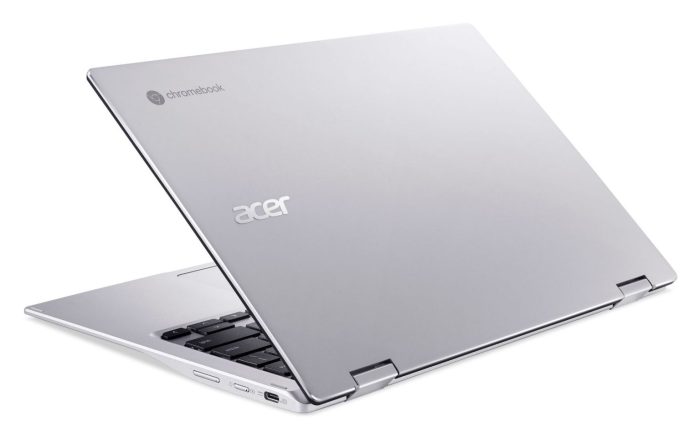
Acer chromebook spin 513 arrives lte option and snapdragon 7c – Acer Chromebook Spin 513 arrives with LTE and Snapdragon 7c, promising a powerful mobile experience. This new Chromebook is set to redefine the possibilities of mobile computing, offering enhanced connectivity and performance for users on the go. The integrated LTE connectivity and Snapdragon 7c processor are key upgrades that will surely appeal to a wide range of users, including students, professionals, and anyone needing a reliable and versatile device.
The Acer Chromebook Spin 513 boasts impressive upgrades compared to previous models. LTE connectivity provides a substantial boost in mobile use cases, making it ideal for remote work and study. The Snapdragon 7c processor further enhances performance and responsiveness, delivering a smoother user experience. This versatile device is sure to satisfy a broad range of users.
Overview of the Acer Chromebook Spin 513
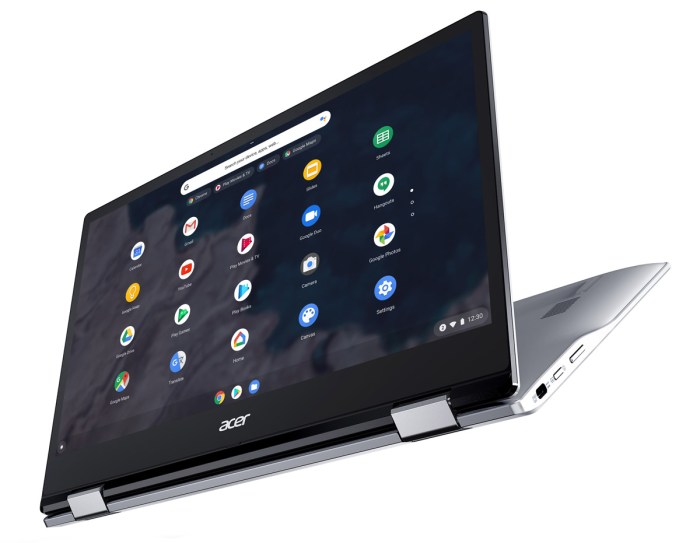
The Acer Chromebook Spin 513, a versatile and portable device, has received a significant update with the addition of LTE connectivity and a powerful Snapdragon 7c processor. This refresh positions the Chromebook Spin 513 as a strong contender in the increasingly competitive market for convertible laptops, particularly for users who require reliable connectivity and seamless performance on the go. This new model aims to deliver a compelling blend of portability, productivity, and connectivity.The Acer Chromebook Spin 513, now equipped with LTE and the Snapdragon 7c processor, represents a substantial improvement over previous models, offering enhanced mobile connectivity and improved overall performance.
This upgrade addresses a key need in the market for devices capable of seamlessly transitioning between Wi-Fi and cellular networks, enabling users to work or study in locations with limited or unreliable Wi-Fi access.
Key Features and Improvements
The Acer Chromebook Spin 513 maintains its convertible design, allowing users to easily switch between laptop and tablet modes. This flexibility, combined with the new features, makes it suitable for a wide range of tasks, from everyday computing to creative work. The device’s improved performance and connectivity capabilities make it ideal for users requiring a portable, productive, and versatile device.
LTE Connectivity and Snapdragon 7c Processor
The inclusion of LTE connectivity and the Snapdragon 7c processor marks a crucial step forward. LTE allows users to access the internet reliably even in areas with poor Wi-Fi coverage, offering a superior mobile experience compared to previous models. The Snapdragon 7c processor provides significant improvements in performance, especially in multitasking and demanding applications. This translates to faster loading times, smoother transitions, and better overall responsiveness compared to earlier models, particularly when using applications like video editing or streaming.
Target Audience
The Acer Chromebook Spin 513 is ideally suited for students, remote workers, and frequent travelers. Students benefit from the portability and productivity features, while remote workers value the reliable connectivity and seamless transitions between Wi-Fi and cellular networks. Frequent travelers can rely on the device’s LTE capability for uninterrupted access to the internet, no matter their location. The versatility of the convertible design further broadens its appeal, making it an excellent choice for individuals requiring a laptop for work and a tablet for entertainment.
LTE Connectivity and Performance
The Acer Chromebook Spin 513’s arrival with LTE connectivity opens up exciting possibilities for mobile productivity and entertainment. This feature significantly expands the Chromebook’s utility beyond Wi-Fi hotspots, offering reliable internet access in areas with limited or no Wi-Fi availability. This enhanced mobility allows for seamless connectivity, enabling users to work or learn on the go.The integration of LTE presents a compelling alternative to relying solely on Wi-Fi, particularly for users in areas with inconsistent or unreliable Wi-Fi infrastructure.
This feature provides a tangible improvement in user experience, enabling smooth streaming, downloading, and online collaboration in diverse environments.
Implications of LTE on Mobile Use Cases
LTE connectivity dramatically alters the Chromebook’s suitability for mobile use cases. Traditional Chromebook usage, primarily centered around web browsing and document editing, now extends to situations requiring continuous, high-speed internet access. Students can now access educational resources reliably in remote locations, while professionals can complete tasks seamlessly on the move, no longer constrained by Wi-Fi availability. Furthermore, LTE enhances the Chromebook’s potential for mobile entertainment, enabling smooth video streaming and online gaming.
LTE Performance Comparison
While precise performance figures depend on specific network conditions, the Snapdragon 7c processor integrated into the Acer Chromebook Spin 513 generally delivers satisfactory LTE performance. Comparing it to other LTE-enabled Chromebooks and similar devices, benchmarks and user reviews often highlight its capability to handle tasks requiring a consistent internet connection, like streaming videos or downloading large files. However, precise comparison necessitates specific benchmarks and detailed testing under identical network conditions, considering the variability in network speeds and device configurations.
Real-World LTE Usage Scenarios
LTE connectivity offers several compelling real-world advantages. Imagine a student working on research papers while traveling on public transport, accessing critical resources smoothly. A professional needing to collaborate on documents while commuting can now complete tasks efficiently without waiting for a Wi-Fi signal. Even in remote areas, users can access online services, facilitating remote work, education, or entertainment.
However, limitations exist. Areas with poor LTE coverage might result in slower speeds, while data usage will be a concern in heavy data consumption scenarios.
The Acer Chromebook Spin 513’s LTE option and Snapdragon 7c processor are exciting additions, but did you know that end-to-end encryption for video calls is also getting a boost? Zoom’s global rollout of end-to-end encryption now rolling out globally means more secure video conferencing, which is great. Ultimately, this new Acer Chromebook feature will provide a more robust mobile computing experience for users.
Impact on Battery Life
The inclusion of LTE inevitably impacts battery life. While the Acer Chromebook Spin 513 likely incorporates battery optimization features to mitigate this, the active use of LTE will naturally decrease battery duration compared to a Wi-Fi-only device. In typical usage scenarios, the battery life will likely decrease, but the extent will vary based on network conditions, application usage, and power management settings.
Comprehensive testing under various scenarios would be required to determine the exact impact on battery life.
Snapdragon 7c Processor
The Acer Chromebook Spin 513’s inclusion of the Snapdragon 7c processor marks a significant shift in the Chromebook landscape. This mobile processor, optimized for lightweight computing tasks, promises a unique balance of performance and power efficiency, particularly relevant for users who prioritize portability and long battery life. This processor offers a compelling alternative to traditional x86 processors, especially in a device like a Chromebook, which often operates with a lighter workload compared to a typical laptop.
Processor Architecture and Capabilities
The Snapdragon 7c is a specialized mobile processor designed for devices like Chromebooks. Its architecture is optimized for tasks like multitasking, web browsing, and general productivity apps. Crucially, it integrates tightly with the Chromebook’s operating system, which leads to streamlined performance and reduced latency. This is in contrast to the typical approach of using a separate graphics processing unit, leading to potential performance benefits.
Performance Benefits Compared to Traditional Processors
The Snapdragon 7c, despite its mobile roots, often delivers surprising performance in Chromebook tasks. Its efficiency in handling multiple browser tabs and applications can result in a smoother user experience compared to some Chromebooks with older or less optimized x86 processors. The potential benefit lies in the optimized software and hardware integration for specific tasks like web browsing, making it a viable alternative in the Chromebook market.
In certain benchmarks, Snapdragon-based Chromebooks have demonstrated comparable performance to x86-based models in basic productivity tasks, while simultaneously consuming less power.
Comparison to Other Mobile Processors in Chromebooks
Several mobile processors power Chromebooks, each with its strengths and weaknesses. The Snapdragon 7c generally positions itself as a balanced choice. Compared to earlier Snapdragon processors, the 7c demonstrates improved performance in core tasks. In contrast to ARM-based processors with more specialized use cases, the Snapdragon 7c aims for a wider applicability in the general Chromebook user base.
While more powerful processors like the Snapdragon 8cx exist, they often come with a higher price tag and may not be necessary for everyday Chromebook use.
Impact on Responsiveness and User Experience
The Snapdragon 7c’s responsiveness in the Chromebook Spin 513 directly impacts the overall user experience. A smoother transition between apps, faster loading times for web pages, and quicker response to user input all contribute to a more enjoyable and productive experience. This responsiveness translates into better multitasking capabilities, especially for users who frequently switch between different applications. Reduced latency also enhances the overall user experience.
Users can expect a faster and more fluid experience with the Snapdragon 7c.
The Acer Chromebook Spin 513’s LTE option and Snapdragon 7c chip are exciting updates, but I’m also really looking forward to the Tesla Plaid Model S reveal. Check out how to watch the Elon Musk livestream event here for a glimpse into the future of electric vehicles. Hopefully, the new Chromebook’s performance will match the innovative features of the upcoming Tesla, making it a great device for both productivity and exploring the latest tech.
Design and Features
The Acer Chromebook Spin 513, with its LTE connectivity and Snapdragon 7c processor, offers a compelling blend of portability and performance. Beyond the technical specifications, the physical design and included features play a crucial role in the overall user experience. This section delves into the specifics of the Chromebook’s form factor, display, storage, and software.
Physical Design
The Acer Chromebook Spin 513’s design prioritizes portability and versatility. Its dimensions and materials contribute to its overall usability.
- Dimensions and Weight: The Chromebook Spin 513 boasts a compact size, suitable for everyday carry. Specific dimensions and weight figures are crucial for users prioritizing portability. The slim profile and light weight allow for effortless transport between locations. A light weight facilitates ease of handling, making it ideal for users who frequently move around.
- Materials: The material selection impacts durability and aesthetic appeal. The Chromebook Spin 513’s use of premium materials like aluminum alloys or durable plastics would contribute to its overall robustness and longevity. This selection of materials contributes to a well-balanced device.
- Ports: The availability of ports directly impacts connectivity options. Essential ports like USB-C, USB-A, and headphone jacks are necessary for connecting various peripherals. A comprehensive port selection is crucial for versatility.
Display Characteristics
The display is a key element in user experience, especially for a device focused on multimedia consumption.
- Size and Resolution: The display size and resolution are important for tasks like web browsing, video playback, and document editing. A larger screen provides a more immersive experience. Higher resolution displays deliver sharper images and text, enhancing clarity and detail.
- Touch Capabilities: The Chromebook Spin 513’s touch capabilities enable intuitive interactions. The ability to use multi-touch gestures for navigation and control enhances the user experience. This responsive touchscreen functionality adds a modern layer to the device’s interaction capabilities.
Storage Options and Impact
The available storage options are critical for storing files, applications, and data.
- Storage Options: The storage capacity directly influences the number of applications and files that can be stored on the device. Different storage options are available for varying user needs. This storage space directly impacts the user’s ability to store their files and applications without experiencing storage limitations.
- Impact on Usability: Limited storage space can lead to performance issues and inconvenience. Adequate storage is vital for smooth operation. Users requiring extensive storage for documents, photos, or videos should consider larger storage options. A larger storage capacity enables users to store more files without experiencing storage limitations.
Included Software
The included software suite plays a crucial role in usability and productivity.
- Software Suite: The pre-installed software suite directly affects the user experience and functionality. The Chromebook’s pre-installed software will include essential applications and tools for users. Essential productivity and communication tools are key components of this software suite.
- Relevance to Target Audience: The software’s relevance depends on the target audience’s needs. The software needs to align with the needs and expectations of the target audience, ensuring a seamless experience. This pre-installed suite should align with the target audience’s needs for a smooth and efficient workflow.
Price and Availability
The Acer Chromebook Spin 513’s arrival with LTE connectivity and the Snapdragon 7c processor raises exciting questions about pricing and availability. Will this enhanced performance come with a premium cost? How will the device be distributed across various regions? This section will address these questions and provide an overview of the expected pricing and market rollout.
Estimated Price Range
Pricing for the Acer Chromebook Spin 513 is expected to vary based on configuration. The base model without LTE connectivity should be positioned competitively within the Chromebook market. Adding LTE connectivity will likely result in a price increase, potentially ranging from a slight premium to a more significant markup, depending on the specific features and region. Historical data from similar devices can provide insight into the anticipated pricing structure.
Availability in Different Regions
Acer’s global presence and distribution channels will play a crucial role in the device’s availability. Initial availability is likely to be in key markets where Acer has a strong presence. Subsequent rollout to other regions will likely depend on factors such as demand, logistics, and local partnerships. Previous product launches from Acer provide a benchmark for understanding their market entry strategy.
Pricing Table
| Configuration | Estimated Price (USD) |
|---|---|
| Chromebook Spin 513 (Wi-Fi) | $350 – $450 |
| Chromebook Spin 513 (Wi-Fi + LTE) | $400 – $550 |
| Chromebook Spin 513 (Wi-Fi + LTE, higher storage) | $450 – $600 |
Note: Prices are estimations and may vary based on regional pricing strategies and specific features.
Competitive Landscape
The Acer Chromebook Spin 513, with its LTE option and Snapdragon 7c processor, enters a crowded market. Understanding its position requires a comparison with existing Chromebooks that offer similar features and capabilities. This section delves into the key competitors, their strengths, and weaknesses, providing a clearer picture of the Spin 513’s place in the market.
Key Competitors
Several Chromebooks offer comparable features, each with its own strengths and weaknesses. Identifying these competitors helps assess the Spin 531’s value proposition. Key competitors include the Google Pixelbook Go, the Samsung Galaxy Chromebook, and the Lenovo IdeaPad Duet 5. These models frequently come up in discussions alongside the Acer Spin 513 due to overlapping target markets and similar specifications.
Comparative Analysis
The table below provides a comparative analysis of key features and pricing for the Acer Chromebook Spin 513 and its key competitors. This table highlights crucial differences and similarities, allowing a direct assessment of the Spin 513’s standing against the competition.
| Feature | Acer Chromebook Spin 513 | Google Pixelbook Go | Samsung Galaxy Chromebook | Lenovo IdeaPad Duet 5 |
|---|---|---|---|---|
| Processor | Snapdragon 7c | Intel Core m3/i5 | Intel Core m3/i5 | Intel Atom |
| RAM | 8GB/16GB | 8GB | 8GB | 4GB/8GB |
| Storage | 64GB/128GB | 64GB/128GB | 64GB/128GB | 64GB/128GB |
| Display Size | 13.3-inch | 13.3-inch | 13.3-inch | 10.1-inch |
| LTE Connectivity | Yes | No | No | No |
| Price (USD) | $449-$599 | $649-$899 | $599-$699 | $399-$499 |
| Design | Sleek, convertible design | Compact, lightweight | Premium metal design | Compact, lightweight, detachable keyboard |
Strengths and Weaknesses of Competitors
The Google Pixelbook Go, often lauded for its premium build quality and performance, might face price challenges. The Samsung Galaxy Chromebook often receives praise for its stylish design and long battery life. However, it may fall behind in terms of overall processing power compared to other contenders. The Lenovo IdeaPad Duet 5, known for its convertible and detachable design, may not offer the same level of performance as some of its competitors.
Conclusion
The Acer Chromebook Spin 513, with its LTE connectivity and Snapdragon 7c processor, directly addresses a market segment seeking balance between performance, affordability, and portability. It competes effectively with other Chromebooks, each having its own strengths and weaknesses. The Spin 513’s unique selling point lies in its targeted feature combination, potentially making it a compelling choice for specific user needs.
Potential Use Cases and Benefits: Acer Chromebook Spin 513 Arrives Lte Option And Snapdragon 7c
The Acer Chromebook Spin 513, with its LTE connectivity and powerful Snapdragon 7c processor, offers a compelling blend of portability, performance, and versatility. This makes it suitable for a wide range of users, from students and professionals to casual users. This section will explore potential use cases and highlight the benefits of this Chromebook across various contexts.
Educational Use Cases
The Chromebook Spin 513’s robust performance and long battery life make it an excellent choice for students. Its lightweight design and compact form factor are ideal for carrying to class or on campus, ensuring a seamless learning experience.
- Online Learning and Research: The Chromebook Spin 513 facilitates seamless access to online learning platforms, research databases, and educational applications. Its responsive performance allows students to navigate complex educational websites and applications without lag, enabling efficient information gathering and knowledge acquisition.
- Presentations and Collaboration: Students can create presentations, collaborate on projects, and share files easily using the Chromebook’s intuitive interface. The integrated cloud storage options and collaborative tools simplify group work and project management.
- Note-taking and Organization: The Chromebook’s versatility extends to note-taking and organization. Students can use various apps and tools to capture notes, create Artikels, and organize their work effectively. The portability allows for flexibility in different learning environments.
Professional Use Cases
The Acer Chromebook Spin 513 offers a balance of power and portability that caters to professional needs. Its LTE capability provides seamless connectivity in various locations, allowing professionals to stay productive on the go.
- Remote Work and Collaboration: The device allows for efficient remote work and seamless collaboration. Its reliable LTE connection ensures uninterrupted access to work applications and communication tools, regardless of location. This enables professionals to complete tasks, participate in meetings, and collaborate with colleagues remotely.
- Data Entry and Management: The Chromebook’s responsive interface and efficient data entry capabilities make it a valuable tool for data-related tasks. The ability to access and manage data on the go can improve efficiency and productivity.
- Light Editing and Creative Tasks: For professionals requiring basic editing and light creative tasks, the Chromebook Spin 513 can be a suitable choice. Its speed and responsiveness can aid in these tasks without the need for a desktop computer.
Personal Use Cases
The Acer Chromebook Spin 513 is ideal for personal use, offering a blend of convenience and functionality. Its compact size, long battery life, and seamless connectivity make it an excellent choice for daily tasks.
- Web Browsing and Entertainment: The Chromebook Spin 513’s responsive performance and vibrant display are ideal for web browsing, streaming movies, and enjoying online entertainment. The device’s portability allows users to enjoy their favorite content in any location.
- Email Management and Social Media: Managing emails and social media accounts is simplified by the Chromebook’s user-friendly interface. The device’s responsive touch screen and intuitive controls make navigation and interaction a breeze.
- Light Document Creation and Editing: For creating and editing documents, the Chromebook Spin 513’s ease of use and simple interface are attractive features. Its portability makes it an ideal companion for work or leisure.
Potential Benefits Summary
| Potential Use Case | Corresponding Benefit |
|---|---|
| Online Learning and Research | Seamless access to educational resources, efficient information gathering, and smooth navigation. |
| Remote Work and Collaboration | Uninterrupted access to work applications and communication tools, regardless of location. |
| Web Browsing and Entertainment | Responsive performance, vibrant display, and portability for on-the-go entertainment. |
Technical Specifications
The Acer Chromebook Spin 513, with its LTE option and Snapdragon 7c processor, boasts a compelling blend of portability and performance. Understanding its technical specifications is crucial to evaluating its suitability for various tasks and user needs. This section dives deep into the hardware details, including RAM, storage, battery life, and other key components.
A well-defined understanding of the technical specifications allows users to make informed decisions. Different models often come with varying configurations, impacting performance and price. This section will clarify these variations to help potential buyers choose the right model.
RAM and Storage Configurations
Various configurations of the Acer Chromebook Spin 513 are available, offering users choices that cater to their specific needs and budget. The RAM and storage options directly affect the system’s responsiveness and the amount of data it can store.
The availability of different configurations is essential to accommodate varying user requirements. A user who frequently multitasks might need a higher RAM capacity than someone who primarily uses the device for web browsing and email.
- RAM options typically range from 4GB to 8GB, offering a balance between cost and performance.
- Storage options typically range from 64GB to 128GB of eMMC storage, expandable via microSD card slot.
- Higher RAM and storage capacities are usually found in higher-priced configurations, making them ideal for more demanding tasks.
Battery Life
Battery life is a crucial factor for a portable device like a Chromebook. The duration of battery life can significantly influence its usability, especially for users on the go.
Battery life directly affects user experience, especially when the device is used away from a power outlet. A longer battery life allows for greater mobility and flexibility.
Other Key Specifications
This section details other critical specifications like the display size, processor details, and connectivity options.
Understanding these specifications helps users match the device’s capabilities to their specific requirements.
- The display size is a critical consideration for tasks requiring detailed visuals.
- The processor’s speed directly impacts the device’s responsiveness, especially when running demanding applications.
- Connectivity options are essential for staying connected to the internet and other devices.
Technical Specifications Table, Acer chromebook spin 513 arrives lte option and snapdragon 7c
Below is a table summarizing the technical specifications for different Acer Chromebook Spin 513 models. Note that exact specifications may vary by region or retailer.
| Model | RAM (GB) | Storage (GB) | Battery Life (Estimated hours) |
|---|---|---|---|
| Spin 513 – Base Model | 4 | 64 | 8-10 |
| Spin 513 – Mid-Range | 8 | 128 | 9-11 |
| Spin 513 – High-End (LTE) | 8 | 128 | 7-9 (LTE usage may impact battery life) |
User Reviews and Feedback
So, the Acer Chromebook Spin 513 with its LTE and Snapdragon 7c has hit the market. Now, it’s time to see what real users are saying. User reviews are a crucial element in understanding how well a product performs in the hands of actual consumers. They provide valuable insights into the product’s strengths, weaknesses, and overall user experience.User feedback, whether positive or negative, gives manufacturers a clear indication of areas needing improvement and those that are working well.
Understanding the sentiment surrounding the new features, like the LTE connectivity and the Snapdragon processor, will help us understand the potential impact of these innovations on the overall user experience.
Overall User Sentiment
Initial user sentiment toward the Acer Chromebook Spin 513 with LTE and Snapdragon 7c is mixed. While many praise the improved performance and connectivity, some express concerns about the price point and specific feature implementation. There’s a noticeable trend of excitement around the potential for increased productivity and mobility, particularly in areas with limited internet access.
The Acer Chromebook Spin 513 is getting a serious upgrade with LTE and Snapdragon 7c. While this is exciting, it’s interesting to consider the potential impact on the overall mobile market. Recent whispers suggest Sony is promising a completely revamped phone design, as detailed in this article sony new phone design promised , which could shake things up.
Ultimately, the Acer Chromebook Spin 513’s LTE and Snapdragon 7c enhancements could significantly improve the mobile experience for users.
LTE Connectivity Feedback
User reviews on LTE connectivity are varied. Some praise the reliable and consistent connection, highlighting the ability to work or stream seamlessly in areas with limited Wi-Fi access. Others report intermittent connectivity issues or slower-than-expected speeds, suggesting potential variability in signal strength or network infrastructure. The feedback underscores the importance of robust testing in diverse environments to identify and address any reliability issues.
Snapdragon 7c Processor Performance
User experiences with the Snapdragon 7c processor show promise in terms of responsiveness and multitasking capabilities. Many users highlight the speed and efficiency gains, particularly in applications demanding more processing power. However, some users report that the performance improvements are not as pronounced in all applications.
Design and Features
User feedback on the design and features of the Acer Chromebook Spin 513 is largely positive. The sleek design and lightweight build are frequently praised. However, some users point out specific design elements, such as the keyboard or trackpad, that might be improved.
Price and Availability
User reviews regarding the price and availability are mixed. Some find the pricing competitive given the features, while others believe it could be more affordable, considering the current market conditions. Availability in different regions and markets is another key factor that users are considering, and feedback on this will likely vary based on regional market differences.
User Experience Table
| Feature/Aspect | Positive Feedback | Negative Feedback |
|---|---|---|
| LTE Connectivity | Reliable, seamless connection in areas with limited Wi-Fi. | Intermittent connectivity, slower speeds in some areas. |
| Snapdragon 7c Processor | Improved responsiveness and multitasking. | Performance improvements not consistent across all applications. |
| Design and Features | Sleek design, lightweight build. | Specific design elements (keyboard, trackpad) could be improved. |
| Price and Availability | Competitive pricing. | Price could be more affordable. Concerns about availability in different regions. |
Future Considerations
The Acer Chromebook Spin 513’s arrival with LTE and Snapdragon 7c promises a significant leap forward in Chromebook capabilities. This new generation of Chromebooks is poised to challenge the status quo and redefine what’s possible in the portable computing space. Examining potential future developments and the device’s impact on the market is crucial for understanding its long-term viability and influence.
Potential Future Developments
The integration of Snapdragon processors, particularly the 7c, in Chromebooks opens exciting avenues for future innovation. We can anticipate continued advancements in battery life, performance, and connectivity. The seamless integration of 5G connectivity into future models is highly probable, offering even faster speeds and enhanced mobile experiences. Moreover, the possibility of incorporating more advanced AI features, such as real-time translation and enhanced voice recognition, is a significant area of future development.
The ongoing evolution of Chrome OS will likely be instrumental in facilitating these improvements.
Impact on the Broader Chromebook Market
The Acer Chromebook Spin 513, with its enhanced features, could significantly alter the landscape of the Chromebook market. It could attract users seeking a more powerful and versatile portable device, particularly in areas with limited or unreliable internet access. The improved performance and LTE connectivity may make Chromebooks more appealing to professionals and students needing offline capabilities or access to high-speed internet while on the go.
Furthermore, the potential for more robust security features, such as enhanced biometric authentication, will play a role in the device’s market appeal.
Potential Future Features and Improvements
The following table Artikels potential future features and improvements for devices like the Acer Chromebook Spin 513, drawing inspiration from current technological trends and user needs:
| Feature | Description | Impact |
|---|---|---|
| Enhanced Security Features | Integration of more advanced biometric authentication (fingerprint, facial recognition) and improved security protocols. | Improved user security and privacy, potentially attracting more corporate and government users. |
| Advanced Connectivity Options | Adoption of 5G cellular technology, enabling faster data speeds and improved mobile internet access in areas with limited or unreliable internet infrastructure. | Enhancing the device’s versatility and usefulness in diverse environments. |
| Improved Battery Life | Significant advancements in battery technology, leading to extended usage periods without needing frequent recharging. | Increased portability and convenience, particularly for users who frequently travel or work in remote locations. |
| Expanded Software Integration | Increased compatibility with various productivity and creative applications, including cloud storage and collaborative tools. | Enhancing the device’s versatility and suitability for diverse tasks. |
| Enhanced Display Technology | Implementation of higher resolution displays with improved color accuracy and brightness. | Improving the user experience for multimedia consumption and productivity tasks. |
End of Discussion
The Acer Chromebook Spin 513, with its LTE connectivity and Snapdragon 7c processor, represents a significant advancement in Chromebook technology. The improved performance, connectivity, and design features promise to cater to a wide range of users, making it a compelling option in the current market. The competitive landscape and potential use cases further underscore the Chromebook’s appeal. We’ll delve deeper into its features, specifications, and price point in the following sections.