AWS Announces Global Expansion of Builder Lofts to Berlin, Hyderabad, and São Paulo Following San Francisco Success

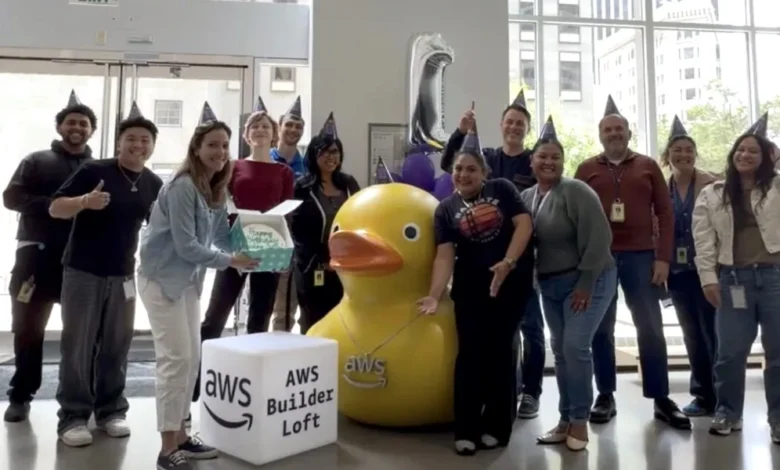
Amazon Web Services (AWS) has officially announced plans to expand its physical footprint for tech communities by opening new permanent AWS Builder Lofts in Berlin, Germany; Hyderabad, India; and São Paulo, Brazil. This strategic international expansion builds upon the overwhelming success of the inaugural AWS Builder Loft in San Francisco, which opened its doors in July 2025 and has since welcomed more than 22,500 developers, entrepreneurs, students, and tech professionals.
The initiative marks a significant evolution in how major cloud providers engage with local ecosystems. Rather than relying solely on temporary pop-up spaces or digital-only forums, AWS is doubling down on brick-and-mortar community hubs designed to foster grassroots innovation, hands-on technical collaboration, and peer-to-peer learning on a global scale.
The Evolution of Cloud Community Spaces: From Pop-Ups to Permanent Hubs
The concept of physical gathering spaces is not new to AWS. In the early and formative years of cloud computing, the company operated temporary "AWS Pop-up Lofts" in major metropolitan areas around the globe. These physical installations served as vital incubators for startup entrepreneurs, early-adopter developers, and software engineers seeking to master cloud infrastructure through workshops, office hours, and co-working environments.
As the technology landscape shifted—most notably with the recent, explosive emergence of generative artificial intelligence—AWS adapted its physical strategy by launching specialized "AWS Gen AI Lofts." These short-term spaces were engineered to provide rapid, immersive experiences for builders looking to leverage cutting-edge machine learning and AI tools.
However, leadership at AWS recognized a deeper, ongoing structural need within the global developer ecosystem. While temporary pop-ups served immediate educational demands, students, independent software vendors, and open-source contributors required permanent, reliable community anchors. These spaces needed to facilitate continuous learning, long-term technical mentorship, and sustained community-led sharing.
This realization culminated in the launch of the San Francisco Builder Loft in the summer of 2025. Designed as a permanent fixture rather than a temporary activation, the San Francisco location quickly established itself as a bustling nucleus for the local technology sector, proving that physical spaces remain deeply relevant even in an increasingly remote and hybrid work era.
Chronology of Growth and the San Francisco Milestone
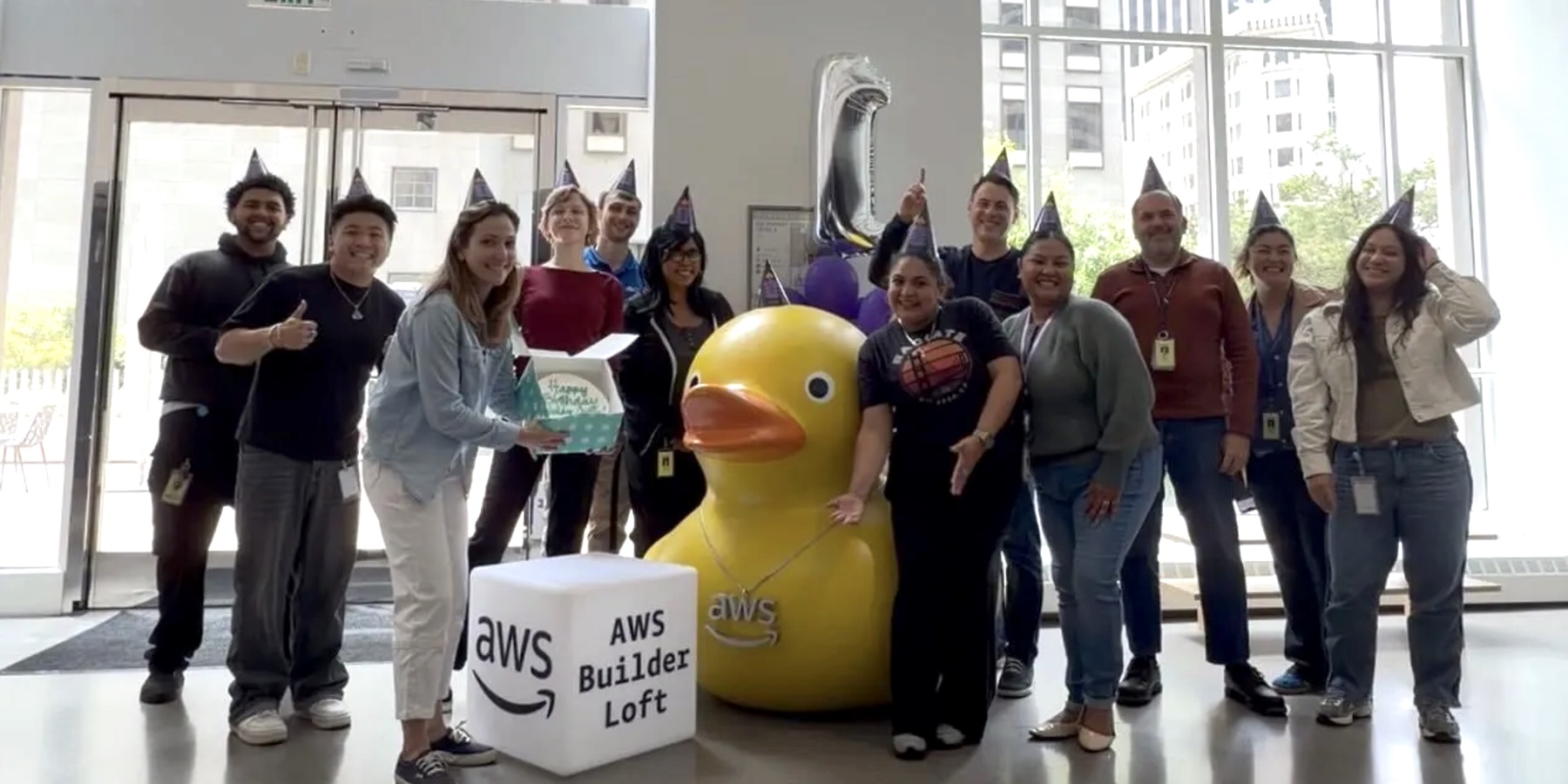
Since its inauguration in July 2025, the San Francisco AWS Builder Loft has functioned as a relentless engine of technical activity. Over the span of roughly one year, the facility has recorded more than 22,500 visitor check-ins. More importantly, it has hosted hundreds of hackathons, technical workshops, product demo nights, and localized meetups.
A standard week at the San Francisco Builder Loft typically features between four and eight distinct community-led events. These range from rigorous technical deep dives into generative AI model deployment to high-stakes startup pitch nights, coding bootcamps for university students, and cross-disciplinary networking sessions.
The physical architecture of the facility was specifically designed for maximum flexibility to accommodate this diverse programming. On any given Tuesday morning, a dedicated training room might host upwards of 50 computer science students engaged in a cloud architecture workshop. By evening, that same space can seamlessly transform into a demo stage where an early-stage startup showcases its latest prototype to a room full of venture capitalists, enterprise architects, and potential technical co-founders. Weekends are frequently reserved entirely for independent community groups, ranging from specialized user groups to student developer coalitions, utilizing the facility at no charge.
Selecting the Next Frontiers: Berlin, Hyderabad, and São Paulo
In choosing the locations for the next wave of Builder Lofts, AWS focused on vibrant, fast-growing technology hubs that serve as critical epicenters for talent, innovation, and digital transformation within their respective geographic regions.
Berlin has long positioned itself as Europe’s premier startup capital, characterized by a massive influx of software engineering talent, a thriving venture capital scene, and a deeply ingrained open-source culture. By establishing a permanent Builder Loft in the German capital, AWS aims to provide a centralized physical anchor for the region’s diverse and decentralized European developer communities.
Hyderabad, often hailed as "Cyberabad," represents one of India’s most dynamic technological powerhouses. Boasting a massive concentration of global technology enterprises, agile startups, and premier engineering institutions, Hyderabad is a natural choice for a space dedicated to accelerating technical skilling, collaborative software development, and entrepreneurial mentorship.

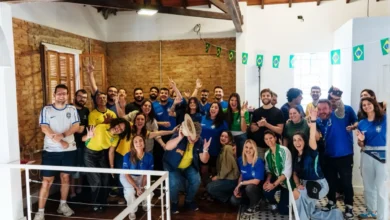
São Paulo stands as the undisputed economic and technological engine of Latin America. With a rapidly maturing fintech ecosystem, a surge in enterprise cloud adoption, and a passionate community of local developers, the Brazilian metropolis offers fertile ground for a permanent AWS community hub designed to support builders across the entire South American region.
Community-Driven Programming and Inclusivity
A central pillar of the AWS Builder Loft model is that the spaces are fundamentally driven by the communities they serve. While AWS provides the physical real estate, high-speed network infrastructure, and logistical support, the actual programming is shaped by local developers, meetup organizers, and tech leaders.
The facilities are intentionally designed to be inclusive and accessible. They welcome participants ranging from high school and university students taking their first steps in software development to seasoned enterprise architects and startup founders scaling global platforms.
Furthermore, AWS has opened the doors of these facilities to a broad spectrum of independent organizations, including official AWS User Groups, AWS Student Builder Groups, and unaffiliated local tech meetups. Tech community leaders and organizers are actively encouraged to apply to host their regular meetups, study groups, and collaborative sessions within the lofts completely free of charge. This open-door policy ensures that the venues reflect the organic needs of the local tech ecosystem rather than serving merely as corporate marketing vehicles.
Industry Analysis: The Strategic Value of Physical Tech Hubs
Industry analysts observing the expansion note that physical developer relations (DevRel) initiatives are experiencing a strategic renaissance. While digital channels, virtual conferences, and online documentation remain the backbone of developer education, the psychological and collaborative value of face-to-face interaction cannot be easily replicated over video conferencing platforms.
By investing in high-value real estate in strategic international markets, AWS is reinforcing brand loyalty, accelerating cloud adoption at the grassroots level, and building direct bridges with the next generation of software engineers. In regions like India and Latin America, where digital economies are expanding at a blistering pace, physical access to state-of-the-art co-working spaces, hardware, and expert mentorship can significantly lower the barrier to entry for aspiring entrepreneurs who may lack traditional venture backing or access to expensive office infrastructure.
Moreover, the focus on generative AI education and deployment within these spaces aligns with broader industry trends. As enterprises across all sectors scramble to integrate AI capabilities into their operations, the demand for practical, hands-on training has skyrocketed. Builder Lofts provide a controlled, supportive environment where builders can experiment with complex machine learning pipelines, test new architectural patterns, and collaborate on open-source AI projects under the guidance of peers and subject matter experts.
Future Outlook and Implementation Timeline
While AWS has officially confirmed the expansion into Berlin, Hyderabad, and São Paulo, specific details regarding the exact opening dates, square footage, and precise addresses for each new location will be rolled out in subsequent announcements over the coming months.
Leadership at AWS encourages developers, community organizers, and tech enthusiasts worldwide to monitor official channels, including upcoming blog posts by AWS executives and the central AWS Builder Loft web portal, for real-time updates regarding construction progress, ribbon-cutting schedules, and inaugural event calendars.
For local communities in San Francisco, the existing Builder Loft continues to operate at full capacity, serving as a operational blueprint and proof-of-concept for what these international spaces aspire to achieve. As the global tech landscape continues to evolve at a rapid pace, the expansion of the Builder Loft network signals a firm commitment by AWS to keep community, collaboration, and hands-on building at the very heart of the technological ecosystem.