



NYC earthquake bridges infrastructure concerns are a critical issue demanding immediate attention. From the historical seismic activity around the city to the current state of its bridges, we’ll explore the vulnerability of these vital arteries. This deep dive investigates the potential impacts of a major earthquake, including structural damage, service disruptions, and cascading effects on other infrastructure. We’ll also look at mitigation and reinforcement strategies, public awareness campaigns, and future research needs to bolster preparedness for this looming threat.
Historical earthquake data, coupled with modern vulnerability assessments, will illuminate the risk profile of each bridge. We’ll analyze the structural design, materials used, and seismic resistance of various bridge types. The potential consequences, from partial damage to complete collapse, will be explored in detail, along with estimated economic costs and the ripple effects on the city’s transportation network.
This comprehensive analysis is designed to empower stakeholders with the knowledge to implement effective mitigation and reinforcement strategies, safeguarding New York City’s vital infrastructure.
Historical Earthquake Activity in NYC
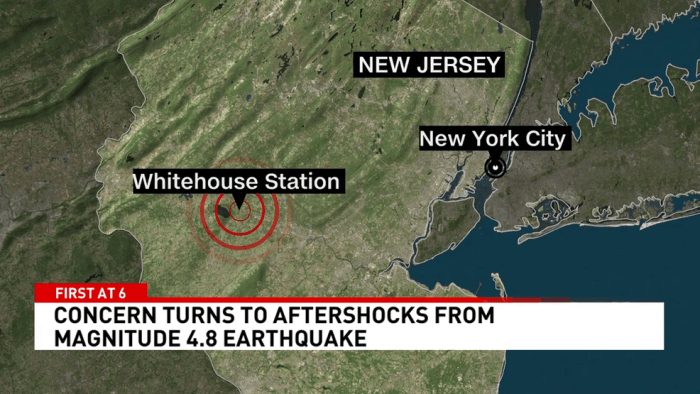
New York City, situated on a complex geological landscape, is not immune to seismic activity. While major earthquakes are relatively infrequent in the region, historical events offer valuable insights into potential risks and the effectiveness of mitigation strategies. Understanding past tremors and their impact allows for a more informed approach to future preparedness and infrastructure resilience.
Historical Earthquakes in the Vicinity
A comprehensive review of historical seismic events reveals various tremors that have affected the area surrounding New York City. These events, though not always directly centered within the city limits, demonstrate the regional vulnerability to seismic forces.
- Significant earthquakes, like the 1884 Charleston earthquake, though distant, provide insights into potential ground motion patterns and their impact on infrastructure. Such events, even occurring hundreds of miles away, can trigger significant ground motion, impacting structures within a broad radius.
- Other noteworthy events include the 1811-1812 New Madrid earthquakes in the Mississippi Valley. These quakes, while not directly affecting NYC, highlight the long-term effects of seismic activity on regional geology and the potential for cascading effects, influencing the study of fault lines in the northeast.
- The 1918 earthquake in the region, though of a lower magnitude, provides data about the local response to smaller, but nonetheless impactful, tremors.
Historical Damage to Infrastructure
Historical records show that significant earthquakes, both local and distant, have sometimes caused damage to infrastructure, including bridges. The specific extent of damage has varied considerably depending on the magnitude and proximity of the earthquake.
- Bridge structures, especially those with long spans or complex designs, are vulnerable to the dynamic forces generated by earthquakes. Damage can range from minor cracking to complete structural failure, depending on the earthquake’s magnitude and the bridge’s design and construction materials.
- The impact of earthquakes on bridges is often assessed through detailed structural analyses and ground motion data. These assessments consider factors like the soil conditions at the bridge site, the bridge’s design characteristics, and the expected seismic forces.
Historical Methods for Assessing and Mitigating Earthquake Risks
Early assessments of earthquake risk for bridges were often based on qualitative observations and limited data. These early methods were far less sophisticated than the current practices.
- Historical approaches to bridge design often relied on empirical observations and engineering judgment. These methods focused on the expected loads from normal traffic and wind, not specifically earthquake forces.
- The understanding of earthquake mechanics and ground motion has evolved significantly over time. This evolution in knowledge led to the development of more rigorous analytical techniques and the incorporation of seismic considerations into bridge design.
- Early methods relied heavily on expert opinions and engineering experience. Modern approaches integrate complex numerical modeling and advanced instrumentation to simulate earthquake impacts and assess structural responses.
How Historical Data Informs Modern Assessments
Historical data, while not providing precise predictions, offers valuable insights for modern assessments of earthquake risk in NYC.
- Historical records of earthquakes and their impacts allow engineers to identify potential seismic hazards in the region and assess the vulnerability of existing bridges. This is crucial for prioritizing seismic upgrades.
- Studying past earthquakes and their effects on bridges in similar geological settings allows engineers to develop better models and make more informed decisions for seismic strengthening and upgrades.
- The historical records help define the region’s seismic hazard level and tailor design parameters to account for the likelihood and intensity of future seismic events.
Comparison of Earthquake Magnitudes and Infrastructure Damage
The following table summarizes the relationship between earthquake magnitudes and the resulting damage to infrastructure, specifically bridges. This is a simplified example; in reality, factors like soil conditions and construction materials significantly influence damage.
NYC’s aging bridge infrastructure is a major concern, especially considering the potential for earthquakes. Thinking about robust, resilient designs is crucial, and that includes considering the latest tech. For example, a powerful laptop like the Samsung Galaxy Book 3 Pro 360 Ultra 14 16 inch could help engineers analyze potential seismic risks and develop innovative solutions.
Ultimately, addressing these infrastructure needs requires a multifaceted approach, including innovative technology and rigorous assessments.
| Earthquake Magnitude | Description | Potential Infrastructure Damage (Bridges) |
|---|---|---|
| Low (e.g., 4.0-5.0) | Minor shaking, localized damage | Minor cracking, slight displacement |
| Moderate (e.g., 5.1-6.0) | Significant shaking, damage to vulnerable structures | Partial collapse, significant structural damage |
| High (e.g., 6.1-7.0) | Extensive damage, widespread destruction | Total collapse, complete destruction |
Current State of NYC Bridges
New York City’s iconic bridges, vital arteries for transportation and symbols of the city’s resilience, face a complex interplay of age, design, and potential seismic risks. Understanding the current state of these structures is crucial for proactive planning and mitigation strategies in the event of an earthquake. This analysis delves into the key bridges at risk, their structural characteristics, and methodologies for assessing their vulnerability.The structural integrity of NYC’s bridges is paramount to the city’s continued operation and safety.
While the city has a robust infrastructure, potential earthquake damage is a critical concern, necessitating a detailed evaluation of each bridge’s seismic resilience. This assessment focuses on understanding the specific vulnerabilities of various bridge types and implementing measures to strengthen these vital links in the city’s transportation network.
Key Bridges at Risk
NYC boasts numerous bridges, each with unique design and construction history. The city’s older bridges, built before modern seismic design standards were widely adopted, are potentially more vulnerable to earthquake damage. These include, but are not limited to, bridges built during the early to mid-20th century. Examples of such bridges include the Williamsburg Bridge, Manhattan Bridge, Brooklyn Bridge, and Queensboro Bridge.
Their historical significance and continuous use demand careful consideration of potential earthquake impact.
Structural Design and Materials
Different bridges employ diverse structural designs and materials. The Brooklyn Bridge, for instance, utilizes a suspension design with massive cables and supporting towers, which present a unique seismic vulnerability compared to the Manhattan Bridge’s arch structure. The structural materials used, such as steel, concrete, and various composites, have varying seismic responses. Understanding the material properties and how they interact under seismic loading is crucial in assessing potential vulnerabilities.
NYC’s earthquake-prone bridges are a serious concern, especially given their aging infrastructure. While we worry about potential collapse, it’s also worth remembering that sturdy cookware can be just as crucial for a safe and well-functioning home. Fortunately, made in cookware is 25% off right now, here , so you can stock up on reliable pots and pans.
Strong foundations are important, both literally and figuratively, and hopefully, this sale will help with the kitchen prep for any future disaster, whether it’s a quake or just a busy weeknight. The bridges’ safety is still paramount, of course.
Seismic Resistance Comparison
Comparing the seismic resistance of various bridge types requires evaluating their inherent structural designs and construction techniques. Suspension bridges, due to their long spans and reliance on cables, may experience significant displacement during an earthquake, potentially leading to damage to the supporting towers or cable systems. Arch bridges, on the other hand, might exhibit different responses based on the design’s geometry.
A thorough analysis is needed to determine the unique vulnerability of each type in a specific seismic scenario.
Vulnerability Assessment Method
Evaluating the vulnerability of each bridge requires a multifaceted approach. This includes analyzing the bridge’s age, design, material properties, and the potential seismic activity of the region. Advanced computational models, considering various earthquake scenarios and ground motion characteristics, are employed to simulate the bridge’s behavior under stress. These simulations can identify critical areas and potential failure points, leading to targeted strengthening and reinforcement strategies.
Furthermore, historical earthquake data in the region is vital for calibrating these models and identifying specific vulnerabilities based on past seismic events.
NYC Bridge Seismic Rating Table
This table provides a preliminary overview of major NYC bridges, including their age, type, and a general seismic rating. The seismic rating is a qualitative assessment based on available information and is not a formal seismic analysis. Further, detailed analysis and simulations are needed for a more precise assessment.
| Bridge Name | Year Built | Bridge Type | Seismic Rating |
|---|---|---|---|
| Brooklyn Bridge | 1883 | Suspension | Moderate |
| Manhattan Bridge | 1909 | Suspension | Moderate |
| Williamsburg Bridge | 1903 | Suspension | Moderate |
| Queensboro Bridge | 1909 | Suspension | Moderate |
| Other Bridges | … | … | … |
Infrastructure Vulnerability Assessment: Nyc Earthquake Bridges Infrastructure Concerns
Assessing the seismic vulnerability of New York City’s bridges is a critical component of preparedness for potential earthquakes. This involves understanding the current state of these structures, considering their historical performance in past seismic events, and developing strategies to mitigate risks. A comprehensive vulnerability assessment allows for informed decision-making regarding necessary repairs, upgrades, and future construction projects.Current methods for evaluating seismic vulnerability encompass a variety of techniques, including visual inspections, structural analysis, and advanced modeling.
Visual inspections provide a preliminary overview of the bridge’s condition, identifying visible signs of damage or deterioration. Structural analysis involves examining the bridge’s design specifications, material properties, and load-bearing capacity. Advanced modeling utilizes sophisticated software to simulate the bridge’s response to seismic forces, providing a more detailed understanding of its potential vulnerability.
Current Methods of Seismic Vulnerability Assessment
The current methods for assessing the seismic vulnerability of NYC bridges involve a combination of field surveys, detailed structural analyses, and computational modeling. Field surveys involve on-site inspections of the bridge’s components, noting any existing damage or deterioration. Detailed structural analyses consider the bridge’s design, material properties, and potential loading conditions. Computational modeling, using sophisticated software, simulates the bridge’s response to seismic events, offering insights into potential damage scenarios.
Limitations of Current Assessment Techniques
Limitations of current assessment techniques include: the reliance on simplified models that may not accurately capture the complexities of real-world structures; the potential for inaccuracies in input data, such as material properties or loading conditions; and the inherent uncertainties in predicting future seismic events. Another limitation is the difficulty in incorporating the unique characteristics of specific bridge designs and construction techniques.
Model for Integrating Historical Data with Modern Assessment Techniques
A robust model for integrating historical data with modern assessment techniques would involve: developing a comprehensive database of historical earthquake events, including magnitudes, locations, and ground motion characteristics; correlating historical damage patterns with bridge characteristics; and using machine learning algorithms to identify patterns and predict the likelihood of future damage. This model would significantly improve the accuracy and reliability of vulnerability predictions.
The use of GIS systems can enhance the visualization and analysis of historical data, mapping earthquake epicenters and damage patterns in relation to bridge locations.
Role of Different Agencies in the Vulnerability Assessment Process
The vulnerability assessment process necessitates collaboration among various agencies, including: the New York City Department of Transportation (DOT), the Federal Highway Administration (FHWA), the New York State Department of Transportation (NYSDOT), and specialized engineering firms. The DOT is responsible for overseeing the infrastructure, while FHWA and NYSDOT provide guidance and funding. Specialized engineering firms offer expertise in structural analysis and modeling.
Example of a Comprehensive Vulnerability Report for a Specific NYC Bridge
A comprehensive vulnerability report for a specific NYC bridge would include: a detailed description of the bridge’s structural characteristics, including material properties, design specifications, and construction techniques; a summary of historical seismic activity in the region, considering past earthquake magnitudes and locations; results from structural analyses and computational modeling, considering the bridge’s potential response to seismic forces; and an assessment of potential damage scenarios.
The report should also include recommendations for mitigation strategies, such as repairs, upgrades, or modifications to the bridge’s design.
NYC’s aging bridges are a real concern, especially considering the potential for earthquakes. Strengthening their infrastructure is crucial, and while we wait for solutions, snagging a great deal on a wireless plan like get two years of our favorite wireless plan for only dollar35month with this visible deal can help keep us connected while we keep an eye on the bigger picture.
Solid infrastructure is still the top priority for NYC’s earthquake preparedness.
Potential Earthquake Impacts
The New York City (NYC) infrastructure, particularly its bridges, faces significant risks from seismic activity. A major earthquake could have devastating consequences, impacting not only the bridges themselves but also the wider transportation network and the city’s economy. Understanding these potential impacts is crucial for developing effective mitigation strategies.
Potential Consequences of a Significant Earthquake
A substantial earthquake in the NYC area could lead to a variety of catastrophic outcomes for the city’s bridges. Collapse, severe structural damage, and partial or complete loss of functionality are all possibilities. The consequences would extend beyond the immediate vicinity of the bridge, disrupting transportation and affecting essential services. Furthermore, the shaking and ground displacement could lead to widespread damage to support structures and cause cascading failures.
Comparison of Potential Impacts Across Different Bridges
The vulnerability of NYC bridges to seismic activity varies significantly. Factors such as age, design, material composition, and location within the seismic zone play a crucial role in determining the potential for damage. Older bridges, built before modern seismic codes, are more susceptible to damage or collapse. Bridges located closer to the epicenter of an earthquake would face a higher level of impact than those further away.
A detailed analysis of each bridge’s unique characteristics is necessary to assess its vulnerability.
Cascading Effects of Bridge Failures
The failure of a major bridge due to an earthquake could trigger a cascade of negative consequences for other infrastructure and transportation systems. Interruptions to transportation networks could lead to delays, bottlenecks, and disruptions in the flow of goods and people. This, in turn, could impact essential services like emergency response and the provision of essential supplies. The economic fallout from such disruptions would be substantial.
Estimated Economic Costs of Damage
The economic costs associated with earthquake damage to NYC bridges are substantial and difficult to quantify precisely. These costs will vary based on the magnitude and location of the earthquake. Damage to bridges, the associated repairs, and the ripple effects on the wider economy would contribute to a large financial burden. The costs of rebuilding and restoring damaged infrastructure are often underestimated in initial assessments.
For instance, the 1994 Northridge earthquake in California caused significant damage to bridges, with repair costs exceeding many initial estimates.
Potential Damage to Specific Bridge Components Under Varying Earthquake Intensities
| Earthquake Intensity (Modified Mercalli Intensity Scale) | Potential Damage to Manhattan Bridge – Main Span | Potential Damage to Brooklyn Bridge – Towers | Potential Damage to Queensboro Bridge – Piers |
|---|---|---|---|
| 5 | Minor cracking in concrete, slight movement in support structures | Minor settling of tower foundations | Minor settling of pier foundations |
| 7 | Significant cracking and damage to deck, potential for structural failure | Moderate damage to tower structures, possible loss of structural integrity | Moderate damage to pier structures, potential for collapse |
| 8 | Complete collapse of the main span | Severe damage to towers, complete loss of structural integrity | Complete collapse of piers |
Note: This table provides a simplified illustration. A detailed assessment of each bridge would require sophisticated engineering analysis and consideration of various factors.
Mitigation and Reinforcement Strategies
Strengthening NYC’s bridges against seismic threats requires a multifaceted approach that combines innovative technologies with cost-effective reinforcement methods. The potential consequences of a major earthquake on the city’s infrastructure are substantial, impacting transportation, essential services, and the safety of millions. Therefore, proactively addressing these vulnerabilities is paramount.Seismic retrofitting of existing bridges involves a range of techniques tailored to the specific structural characteristics and vulnerabilities of each bridge.
This includes evaluating the bridge’s existing materials, assessing its current load-bearing capacity, and employing appropriate reinforcement strategies to enhance its resilience.
Reinforcement Methods for Existing Bridges
Various methods can reinforce existing bridges to enhance their seismic resilience. These methods include strengthening the columns, beams, and connections to better withstand the forces of an earthquake. Strategies such as adding steel bracing, installing dampers, or using reinforced concrete jacketing can bolster the bridge’s overall structural integrity. These techniques aim to improve the bridge’s ability to absorb and dissipate seismic energy, preventing catastrophic failure.
Examples of Successful Seismic Retrofit Projects
Numerous successful seismic retrofitting projects have demonstrated the effectiveness of these methods. The San Francisco-Oakland Bay Bridge, for instance, underwent extensive seismic upgrades, incorporating various reinforcement strategies. This project involved strengthening the bridge’s foundations and adding seismic dampers to absorb the energy of earthquake tremors. Similarly, the New York State Thruway Authority has implemented several retrofitting projects on various bridges throughout the state, highlighting the importance of ongoing maintenance and adaptation to seismic risks.
These projects showcase the potential for mitigating risks and safeguarding vital infrastructure.
Innovative Technologies for Earthquake-Resistant Bridge Design
Innovative technologies play a crucial role in creating earthquake-resistant bridge designs. For example, the use of advanced materials, such as high-strength steel and fiber-reinforced polymers, can significantly improve the structural capacity of bridges. These materials offer enhanced strength and durability compared to traditional materials, leading to more robust designs capable of withstanding stronger seismic events. Additionally, the integration of advanced sensors and monitoring systems can provide real-time data on the bridge’s structural performance during seismic activity, allowing for immediate responses and adjustments to mitigate damage.
Cost Analysis of Reinforcement Strategies
The costs associated with various reinforcement strategies vary significantly. Factors such as the scale of the project, the complexity of the bridge’s structure, and the specific reinforcement techniques employed all influence the overall expenditure. While retrofitting can be expensive, the potential cost of earthquake damage to bridges and associated disruptions to transportation networks is substantially higher. Economic analyses show that the cost of preventative measures is often significantly less than the cost of post-earthquake repairs.
Comparative Analysis of Retrofit Methods
| Retrofit Method | Effectiveness | Cost | Time Required |
|---|---|---|---|
| Steel Bracing | High | Moderate | Moderate |
| Base Isolation | Very High | High | High |
| Dampers | High | Moderate | Moderate |
| Reinforced Concrete Jacketing | High | Moderate | Moderate |
The table above provides a comparative overview of various retrofitting methods. Factors such as effectiveness, cost, and time required for implementation are considered. Each method has its unique strengths and weaknesses, making careful consideration of the specific needs of each bridge crucial.
Public Awareness and Preparedness
Knowing the potential risks of earthquakes on NYC’s infrastructure, especially its bridges, is crucial for public safety. Proactive measures to educate the public about earthquake preparedness are vital to minimizing casualties and damage. A well-informed populace is a more resilient populace.
Importance of Public Awareness, Nyc earthquake bridges infrastructure concerns
Public awareness is paramount in mitigating the effects of an earthquake on NYC’s bridges. An informed public understands the potential dangers, enabling them to take necessary precautions during and after an earthquake. This knowledge empowers individuals to protect themselves and their families, leading to a more effective response.
Public Education Strategies
Raising public awareness involves multiple strategies. Educational campaigns should incorporate various media formats to reach diverse communities. These campaigns should be clear, concise, and easily understood. School programs, community workshops, and online resources are examples of effective educational strategies.
Community Engagement in Preparedness Plans
Community engagement is critical for successful earthquake preparedness. Local residents should be actively involved in developing and implementing preparedness plans. This participation fosters a sense of shared responsibility and enhances the effectiveness of response efforts. Local community groups, organizations, and government agencies should collaborate to ensure broad-based participation.
Communication Strategies for Public Awareness
Effective communication is essential to inform the public about earthquake preparedness. Clear and consistent messaging should be disseminated through various channels. Using social media, community meetings, local news, and public service announcements can create a coordinated and effective public awareness campaign. Clear instructions, such as identifying evacuation routes, emergency contact information, and shelter locations, are vital components of communication.
Public Service Announcements (PSAs)
Public service announcements should deliver concise and actionable information. PSAs should emphasize the importance of earthquake preparedness and highlight key steps to take before, during, and after an earthquake. They should include clear instructions on recognizing earthquake signs, seeking shelter, and securing belongings. Examples include:
- PSA 1: Recognizing Earthquake Signs
-This PSA would use short, engaging animation to illustrate subtle signs of an approaching earthquake, such as unusual animal behavior, ground shaking, or changes in water levels. The PSA should highlight that these signs, although sometimes not immediately noticeable, are crucial indicators of potential seismic activity. The PSA would emphasize the need to stay alert and informed. - PSA 2: Safe Actions During an Earthquake
– This PSA would use a real-life scenario of a person in a building during an earthquake. The PSA would emphasize the importance of dropping, covering, and holding on, using clear and concise visuals. It should also showcase the importance of staying away from windows and exterior walls. - PSA 3: Post-Earthquake Safety
-This PSA would focus on actions to take after an earthquake. The PSA should highlight the importance of checking for injuries, ensuring the safety of family members, and avoiding damaged areas. The PSA would emphasize the importance of following instructions from local authorities and staying informed through reliable sources. It should also include visual cues to avoid collapsed buildings and damaged structures.
Future Research Needs
The ongoing effort to understand and mitigate earthquake risks to NYC’s bridges requires a forward-looking approach. Simply replicating past studies isn’t sufficient; we need to adapt our methods to the evolving conditions and the ever-increasing sophistication of seismic analysis. This necessitates exploring new research avenues to refine our understanding of earthquake behavior and bridge responses. We need to move beyond the current baseline to proactive measures.
Gaps in Current Knowledge
Current knowledge about earthquake risks to NYC bridges is incomplete. Existing data sets, while valuable, may not fully account for the complex interplay of factors affecting bridge performance during seismic events. These factors include soil-structure interaction, the impact of specific fault lines, and the dynamic behavior of the bridges themselves under varying ground motions. Furthermore, the long-term effects of environmental factors, such as corrosion and aging, on bridge resilience during earthquakes are not always adequately considered.
Seismic Vulnerability Assessment Techniques
Further research is crucial for refining seismic vulnerability assessment techniques. Improved methods for modeling the dynamic response of bridges under complex earthquake scenarios are needed. This includes the development of more sophisticated numerical models that accurately capture the intricacies of bridge structures and their surroundings. Sophisticated computational modeling, incorporating advanced finite element analysis and considering soil-structure interaction, is vital for improved predictions.
Refinement of Predictive Models
Predictive models for earthquake impacts on NYC bridges need refinement. The accuracy of these models depends heavily on the quality and comprehensiveness of input data, including historical seismic activity, detailed structural designs of the bridges, and precise geological information about the surrounding areas. The models should account for the potential for liquefaction of soil, a critical factor in some areas.
For example, the 1989 Loma Prieta earthquake demonstrated the devastating effects of liquefaction, underscoring the importance of incorporating such factors into predictive models.
Research Agenda for Enhancing Earthquake Preparedness
A comprehensive research agenda is needed to enhance earthquake preparedness in NYC. This should include:
- Developing a database of detailed bridge specifications and historical performance data, considering not only the design and material of the bridges but also the construction methods used.
- Investigating the impact of different ground motion characteristics on specific bridge types, particularly those with unique structural features.
- Exploring advanced sensor technologies to monitor the real-time structural response of bridges during seismic events.
- Conducting full-scale experimental studies on bridge components to validate numerical models and improve predictive accuracy.
- Conducting risk assessments to prioritize bridges for mitigation efforts based on predicted vulnerability.
The need for this detailed data is critical for developing accurate and reliable predictive models. The accuracy of these models will significantly improve the city’s ability to proactively address earthquake risks and protect its infrastructure. Past research efforts have provided a strong foundation, but future research must adapt to the changing seismic environment and the advancements in computational modeling.
Comparing Future and Past Research Needs
Past research focused primarily on establishing baseline seismic hazard assessments and evaluating the static strength of bridges. Future research must move beyond these foundational aspects to explore more dynamic aspects, such as the interplay of seismic waves with the soil and the intricate behaviors of complex bridge structures under varying ground motions.
Ultimate Conclusion
In conclusion, addressing NYC earthquake bridges infrastructure concerns requires a multifaceted approach. Understanding historical patterns, assessing current vulnerabilities, and planning for potential impacts are crucial steps. The analysis presented here emphasizes the importance of proactive measures, from reinforcing existing bridges to developing innovative designs. Ultimately, public awareness, community engagement, and continued research will be vital to enhancing earthquake preparedness and ensuring the safety and resilience of New York City’s infrastructure.