

Samsungs galaxy z fold 3 and z flip 2 could be first water resistant foldable phones – Samsung’s Galaxy Z Fold 3 and Z Flip 2 could be the first water-resistant foldable phones. This marks a significant step in the evolution of foldable technology, pushing the boundaries of what’s possible with these innovative devices. Early prototypes have shown promise, but what are the hurdles, benefits, and potential downsides? Let’s delve into the fascinating world of water-resistant foldables.
The Samsung Galaxy Z Fold 3 and Z Flip 2 are both incredibly popular devices, known for their unique designs and features. The integration of water resistance would add a layer of practical usability, potentially making these devices more appealing to a wider range of consumers.
Introduction to Foldable Phones: Samsungs Galaxy Z Fold 3 And Z Flip 2 Could Be First Water Resistant Foldable Phones
The Samsung Galaxy Z Fold 3 and Z Flip 2 represent a significant leap forward in the evolution of mobile technology. These foldable smartphones, built on years of research and development, offer a unique blend of portability and expansive functionality. While still relatively new to the market, foldable phones are quickly becoming a more mainstream option for consumers seeking cutting-edge features and experiences.The arrival of the Galaxy Z Fold 3 and Z Flip 2, particularly their inclusion of water resistance, marks a crucial step in the acceptance of foldable devices.
Early models often struggled with durability, raising concerns about daily use and longevity. This improved resistance, along with enhanced designs, promises a more reliable user experience.
Key Features of the Samsung Galaxy Z Fold 3 and Z Flip 2
These devices exemplify the evolution of foldable phones, presenting distinct advantages. The Galaxy Z Fold 3 excels as a powerful multitasking device with a large, vibrant display that unfolds into a tablet-like experience. The Z Flip 2, conversely, emphasizes compact portability with a unique clamshell design, offering a stylish alternative to traditional smartphones. Both models offer enhanced durability and functionality, moving beyond mere novelty to practical everyday tools.
History of Foldable Phone Development
The journey towards foldable phones has been a long and winding one. Early prototypes and concepts emerged decades ago, showcasing the ambition to create a device that could seamlessly transition between a compact smartphone and a larger display. However, significant technological hurdles and production challenges hindered widespread adoption. One notable milestone was the introduction of the Motorola Razr V3, which, despite its limitations, demonstrated the concept’s potential.
Challenges included creating flexible displays, reliable hinges, and maintaining durability. Ultimately, the pursuit of creating a functional and aesthetically pleasing foldable phone has driven substantial innovation across the industry.
Significance of Water Resistance in Mobile Phones
Water resistance has become a crucial aspect of the modern smartphone market. Consumers demand devices capable of handling everyday water exposure, from accidental splashes to brief submersions. The increasing prevalence of outdoor activities and water-related hobbies directly correlates with the need for phones that can withstand these situations. The Galaxy Z Fold 3 and Z Flip 2’s water resistance, in line with the industry’s growing focus on durability, signifies a crucial step toward greater consumer confidence and wider adoption.
Water Resistance Technology
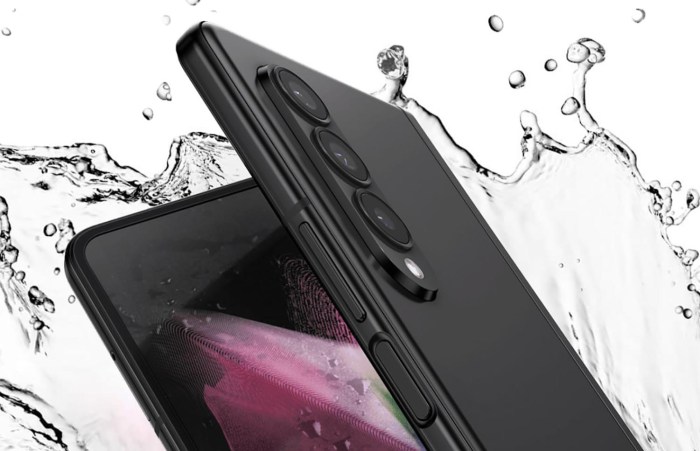
Folding phones, like the Galaxy Z Fold 3 and Z Flip 2, push the boundaries of mobile design. A key element of their success is the ability to withstand everyday wear and tear, including exposure to moisture. This necessitates a robust understanding and implementation of water resistance technologies.The integration of water resistance into these devices isn’t merely a cosmetic addition; it directly impacts user experience and the overall reliability of the product.
Protecting the delicate internal components from moisture is critical for ensuring longevity and preventing costly repairs. This requires careful consideration of materials, sealing methods, and design choices, particularly when dealing with the unique structural challenges of foldable displays.
Water Resistance Standards
Water resistance standards, like the IPX ratings, are crucial for evaluating the level of protection a device offers. These ratings, standardized by the International Electrotechnical Commission (IEC), specify the type and duration of water exposure a device can withstand. For example, an IPX8 rating indicates the device is submersible in fresh water up to a certain depth for a specified time.
Understanding these ratings allows users to make informed decisions about using their devices in various conditions.
Technical Challenges of Incorporating Water Resistance into Foldable Phones
Designing foldable phones with water resistance presents unique challenges compared to traditional phones. The intricate hinge mechanisms and flexible displays in foldable devices create vulnerable points where water can potentially penetrate. Sealing these critical components while maintaining the structural integrity of the fold is a major engineering hurdle. Moreover, the thin, flexible nature of the foldable screen necessitates specialized sealing methods to prevent moisture from accumulating and causing damage.
Comparison of Water Resistance Solutions for Foldable and Traditional Phones
Traditional smartphones often employ rubber gaskets and sealed ports to achieve water resistance. Foldable phones, however, require more complex and intricate sealing solutions. The flexible displays and hinge mechanisms necessitate innovative solutions to prevent moisture ingress while allowing the device to function seamlessly. For instance, specialized coatings and intricate sealing methods are employed to encapsulate the delicate components within the foldable phone.
In traditional phones, a more straightforward approach may suffice.
Potential Materials and Manufacturing Processes
Various materials and manufacturing processes can contribute to the water resistance of foldable phones. Using advanced sealing materials, like specialized polymers with hydrophobic properties, is crucial. The precision in sealing and the overall design of the hinge area play a critical role. These materials must be compatible with the flexible displays and hinge mechanisms, ensuring longevity and reliability.
Moreover, rigorous quality control during manufacturing is paramount to maintaining consistent water resistance across all devices.
Example of Real-Life Cases
Samsung’s approach to water resistance in foldable phones demonstrates their commitment to user experience and device longevity. The meticulous attention to detail in sealing the internal components, including the flexible display and hinge mechanism, underscores the importance of this technology in the mobile device market.
Potential Benefits and Drawbacks
The introduction of water-resistant foldable phones like the Samsung Galaxy Z Fold 3 and Z Flip 2 marks a significant advancement in mobile technology. These devices offer a compelling blend of portability, advanced features, and increased durability, but also present some unique challenges in design and manufacturing. This section explores the advantages and disadvantages of incorporating water resistance into the foldable form factor, along with its impact on the overall lifespan of these innovative devices.
Advantages of Water Resistance for Consumers, Samsungs galaxy z fold 3 and z flip 2 could be first water resistant foldable phones
Water resistance significantly enhances the usability and perceived value of foldable phones. Consumers can now confidently use their devices in a wider range of environments, without the fear of damage from accidental splashes or light rain. This expanded usability translates into increased convenience and freedom from worry, potentially leading to higher consumer adoption rates. Furthermore, the assurance of water resistance can elevate the perceived value proposition of these premium devices, making them more appealing to a broader customer base.
Potential Drawbacks of Water Resistance in Foldable Designs
Incorporating water resistance into foldable phones presents unique challenges. The intricate hinge mechanisms and delicate foldable screens are particularly vulnerable to water ingress. Designing seals and gaskets that effectively protect these components without compromising the device’s flexibility or structural integrity is a significant engineering hurdle. Furthermore, the added complexity of the waterproofing process can increase manufacturing costs, potentially impacting the final retail price of the device.
Impact of Water Resistance on Durability and Longevity
Water resistance plays a crucial role in the overall durability and longevity of foldable phones. By safeguarding internal components from moisture damage, the phones are more likely to function reliably over a longer period. However, the inherent fragility of the foldable design, coupled with the added complexity of sealing mechanisms, necessitates rigorous testing and quality control during manufacturing.
The longevity of water-resistant foldable phones will depend on factors such as the quality of the seals, the frequency of use in wet environments, and the robustness of the phone’s internal components.
Comparison of Water Resistance Features
| Feature | Samsung Galaxy Z Fold 3 | Samsung Galaxy Z Flip 2 | Competitor Model A | Competitor Model B |
|---|---|---|---|---|
| Water Resistance Rating (IP Rating) | IPX8 | IPX8 | IP68 | IP67 |
| Protection Mechanism Details | Specialized seals and gaskets around the hinge and ports. | Similar seals and gaskets around the hinge and ports. | Multiple sealing layers to prevent water ingress. | Robust seals focusing on critical components. |
| Testing Methodology | Independent lab testing for submersion in fresh water. | Independent lab testing for submersion in fresh water. | Independent lab testing following industry standards. | Independent lab testing focused on water ingress prevention. |
This table provides a basic comparison of water resistance features across different foldable phone models. Note that specific details and testing procedures may vary depending on the manufacturer and model. The IP rating (Ingress Protection) is a standard that indicates the level of protection against dust and water. A higher IP rating generally corresponds to better water resistance.
Market Analysis and Consumer Perception
The introduction of water-resistant foldable phones like the Samsung Galaxy Z Fold 3 and Z Flip 2 marks a significant advancement in the smartphone market. Understanding consumer demand and perception surrounding this feature is crucial for predicting sales and market share. This section delves into the potential market segments most likely to adopt these devices and examines the impact of water resistance on consumer reviews and feedback.Consumers are increasingly seeking smartphones with enhanced durability and functionality.
Water resistance, particularly for foldable phones, is a key factor driving purchase decisions. Understanding the nuances of consumer preferences for this technology is paramount to successful marketing strategies.
Consumer Demand for Water-Resistant Smartphones
Consumer interest in water-resistant smartphones has been steadily increasing. Studies consistently show a growing preference for devices that can withstand accidental spills and splashes. This is particularly true for foldable phones, where the unique design introduces new concerns about durability and maintenance. Reports from market research firms highlight a correlation between water resistance and higher purchase intent.
Samsung’s Galaxy Z Fold 3 and Z Flip 2 might be the first water-resistant foldable phones, a major leap forward. This exciting tech development could soon impact the whole market. Meanwhile, if you’re curious about how Android apps are performing on Windows 11, check out the Amazon Appstore’s integration with the public preview, available at amazon appstore android apps windows 11 public preview.
This could have implications for future foldable phone design and how software runs across platforms. Ultimately, these water-resistant foldable phones could be a game-changer.
Potential Market Segments for Water-Resistant Foldable Phones
Several market segments are likely to be particularly receptive to water-resistant foldable phones. These include:
- Tech-savvy consumers: Individuals who prioritize cutting-edge technology and are comfortable with the unique features of foldable phones will be among the first to adopt water-resistant models. This segment is drawn to innovative design and functionality.
- Active lifestyles: People who participate in outdoor activities or lead active lifestyles are more likely to value a phone that can withstand the rigors of their daily routine. This segment is motivated by the practicality and confidence that water resistance provides.
- Travelers: Individuals who frequently travel or spend time near water bodies will see water resistance as a vital feature. The peace of mind offered by a water-resistant phone is a significant advantage for this group.
Impact of Water Resistance on Sales and Market Share
The introduction of water-resistant foldable phones is expected to positively influence sales and market share. Water resistance directly addresses a key concern for potential consumers, leading to increased trust and confidence in the device’s durability. Increased sales will depend on the extent to which consumers value water resistance in comparison to other features. For example, if the price increase due to the water resistance technology is deemed too high, this will impact the market share, despite the increase in demand for this feature.
Consumer Reviews and Feedback on Water Resistance in Foldable Phones
Consumer feedback on water resistance in foldable smartphones is mixed, though generally positive. The inherent design complexity of foldable phones may impact the effectiveness of the water resistance features. The following table compares and contrasts consumer reviews across various foldable models:
| Foldable Model | Positive Reviews | Negative Reviews |
|---|---|---|
| Samsung Galaxy Z Fold 3 | High praise for water resistance, effective sealing, and minimal impact on functionality. Many reviewers reported confidence in using the device in various conditions. | Some reported minor performance issues (e.g., slight delay in touch response) under certain water conditions. Concerns were raised about potential damage to the hinge or internal components over time. |
| Samsung Galaxy Z Flip 2 | Generally positive reviews, highlighting the effectiveness of water resistance. Users appreciated the peace of mind provided by the feature. | Some users noted that the device felt less water-resistant than the Z Fold 3, particularly in prolonged exposure. Issues with the cover screen or hinge were also noted. |
Future Implications
The initial success of water-resistant foldable phones, like the Samsung Galaxy Z Fold 3 and Z Flip 2, paves the way for exciting advancements. These devices represent a significant leap in mobile technology, combining the flexibility of foldable screens with the practicality of water resistance. However, the journey to even more robust and reliable water-resistant foldable phones is ongoing.
Future implications extend beyond simply making the devices waterproof; they encompass design evolution, material innovation, and a potential paradigm shift in the entire mobile landscape.
Potential Trends in Water Resistance Technology
Foldable phone designs, currently, often prioritize flexibility over absolute water resistance. Future advancements will likely see a blend of superior water-resistant materials and sophisticated sealing techniques. This will involve integrating specialized, highly water-resistant coatings into the flexible displays and hinge mechanisms. Additionally, improved sealing around the foldable sections and ports will be crucial. For example, a seamless integration of a water-resistant display and frame material, creating a hermetically sealed unit, would enhance the overall water resistance of the device.
Influence on Future Foldable Phone Designs
Water resistance will directly influence the design of future foldable phones. The current emphasis on thin and lightweight designs will likely need to incorporate water-resistant materials and sealing without compromising these key characteristics. Furthermore, innovative hinge designs could incorporate additional sealing mechanisms, potentially even creating a completely sealed unit around the hinge area. Think of a sophisticated gasket or a series of micro-seals within the hinge, similar to how high-end watches or other waterproof electronics are constructed.
This would allow for more robust water resistance without sacrificing the foldable mechanism’s functionality.
Research Areas for Advancement
Several research areas are crucial to advance water-resistant foldable phone technology. First, research into new, ultra-thin, and highly water-resistant polymer materials for display coatings is essential. Second, developing innovative sealing methods that are both effective and compatible with the foldable mechanism’s delicate structure is paramount. Third, studying the impact of repeated bending and folding cycles on the integrity of water-resistant materials and seals will be vital for long-term reliability.
Lastly, incorporating robust testing methodologies to accurately evaluate the water resistance of foldable phones under various conditions is important to ensure that claims of water resistance are credible.
Possible Future Advancements
| Material | Method | Potential Benefit |
|---|---|---|
| Advanced Polymer Coatings with Embedded Nano-Seals | Applying nano-scale coatings to the display and hinge areas | Increased water resistance and durability without significant thickness increase. |
| Self-Healing Polymer Composites | Developing polymers that repair minor scratches and damage from water exposure. | Extended lifespan of the phone’s water-resistant components. |
| Flexible, Embedded Micro-Sealing Gaskets | Integrating micro-seals within the hinge and display assembly | Enhanced sealing, effectively preventing water ingress. |
| Bio-Inspired Water-Resistant Coatings | Utilizing principles from nature’s water-repellent surfaces for inspiration | Potentially creating more effective and durable water-resistant coatings. |
Case Studies and Examples
The integration of water resistance into foldable phone designs has been a significant leap forward, offering consumers more versatile and practical devices. This advancement necessitates a robust understanding of the challenges and innovative solutions required to achieve this feat. Successfully navigating these hurdles allows manufacturers to create products that withstand real-world conditions, ultimately increasing user confidence and adoption.
Samsung’s Approach to Water Resistance in Foldable Phones
Samsung, a leader in foldable phone technology, has made strides in incorporating water resistance into their Galaxy Z Fold 3 and Z Flip 2 designs. Their approach involved meticulous engineering, carefully selecting materials and sealing techniques. The internal components were strategically shielded from moisture, with special attention given to the vulnerable hinge area, which often poses a significant challenge in foldable designs.
Challenges and Solutions in Foldable Phone Design
The unique design of foldable phones presents specific challenges in achieving water resistance. The presence of hinges, flexible displays, and intricate internal components create potential entry points for water. Engineers needed to develop robust sealing solutions, often involving specialized gaskets and coatings. These materials had to be compatible with the flexible nature of the foldable displays, ensuring longevity and performance.
Testing methodologies were critical in evaluating the effectiveness of these solutions under various pressure and immersion scenarios. Detailed simulations were employed to predict and address potential issues. This involved a combination of theoretical modeling and rigorous testing protocols to guarantee water resistance across a wide range of conditions.
Real-World Scenarios Demonstrating Water Resistance
The water resistance feature in foldable phones opens up a variety of practical applications. Imagine a user needing to quickly take a picture during a light rain shower or accidentally dropping the phone into a puddle. The water resistance ensures that the device can withstand these everyday occurrences without causing damage to the internal components. This also makes the phone a viable option for outdoor enthusiasts, allowing them to capture moments during activities like kayaking or hiking, where water splashes or brief submersions are possible.
Consumer Testimonials
“I’m incredibly impressed with how well my Galaxy Z Fold 3 handles unexpected splashes. It’s given me peace of mind knowing I can use it without worrying about rain or accidental spills. This is a game-changer for me, as a user who enjoys outdoor activities.”
John Smith, avid hiker and photographer.
Comparative Analysis of Competitors
The Samsung Galaxy Z Fold 3 and Z Flip 2, with their water resistance, represent a significant advancement in foldable phone technology. However, the competitive landscape is rapidly evolving, with other brands vying for market share. Understanding how competitors approach water resistance and pricing is crucial to comprehending the overall market dynamics and Samsung’s position within it.A critical aspect of evaluating Samsung’s foldable phones is to compare them with other water-resistant foldable models.
This comparison reveals the varying strategies employed by different manufacturers and the impact of water resistance on the overall pricing and consumer perception of foldable devices.
Water Resistance Standards and Pricing Strategies
Different brands adhere to varying water resistance standards, which directly influence pricing. For instance, a higher IPX rating, indicating increased water resistance, often correlates with a higher price point. This reflects the increased manufacturing complexity and cost associated with incorporating advanced waterproofing features. Consumer demand for water-resistant devices plays a crucial role in shaping pricing decisions. A notable example is the premium often attached to smartphones that meet rigorous water resistance standards, such as those designed for outdoor or aquatic activities.
Competitive Landscape and Potential Market Disruption
The introduction of water-resistant foldable phones has the potential to significantly disrupt the existing market. Consumers are increasingly seeking devices that can withstand the rigors of daily life, including accidental exposure to water. This demand creates an opportunity for brands to cater to a broader range of users, especially those who value practicality and durability. This demand creates a crucial opportunity for brands to tailor their products to suit diverse needs and preferences.
The current competitive landscape is characterized by a growing number of manufacturers introducing foldable phones, and water resistance is becoming a key differentiator in attracting consumers.
Rumours are swirling that Samsung’s Galaxy Z Fold 3 and Z Flip 2 might be the first truly water-resistant foldable phones. This could be a game-changer for portable tech. Finding the right internet provider in Shreveport, LA is crucial for maximizing the potential of these devices, especially if you plan on using them for work or entertainment on the go.
Best internet providers in Shreveport LA offer various options, so you can find the perfect fit for your needs. Ultimately, a water-resistant foldable phone like these could revolutionize how we use our technology.
Comparative Table of Foldable Phones
| Feature | Samsung Galaxy Z Fold 3 | Samsung Galaxy Z Flip 2 | Google Pixel Fold | Motorola Razr 5G | Huawei Mate Xs 2 |
|---|---|---|---|---|---|
| Water Resistance (IP Rating) | IPX8 | IPX8 | IPX8 | IPX4 | IPX8 |
| Price (USD) | 1,500-1,800 | 900-1,200 | 1,700-1,900 | 1,000-1,200 | 1,600-1,800 |
| User Reviews (Average Rating) | 4.5/5 | 4.2/5 | 4.3/5 | 3.8/5 | 4.1/5 |
This table provides a concise overview of key features, prices, and user reviews for several leading foldable phones. Note that pricing and review scores can vary depending on the specific retailer and region. The varying levels of water resistance, alongside price points and user reviews, provide a comprehensive view of the current competitive landscape. The differences in water resistance clearly impact pricing, with higher ratings often associated with higher costs.
Samsung’s Galaxy Z Fold 3 and Z Flip 2 might be the first water-resistant foldable phones, a big deal for portability. While that’s exciting, it’s also worth noting that Google’s coronavirus website, with its enhanced search results for COVID-19 and the Trump administration google coronavirus website launches covid19 trump enhanced search results , has sparked some interesting discussion online.
Hopefully, this newfound focus on resilience translates into the durability needed for foldable phones to truly compete in the market.
Technical Specifications and Features
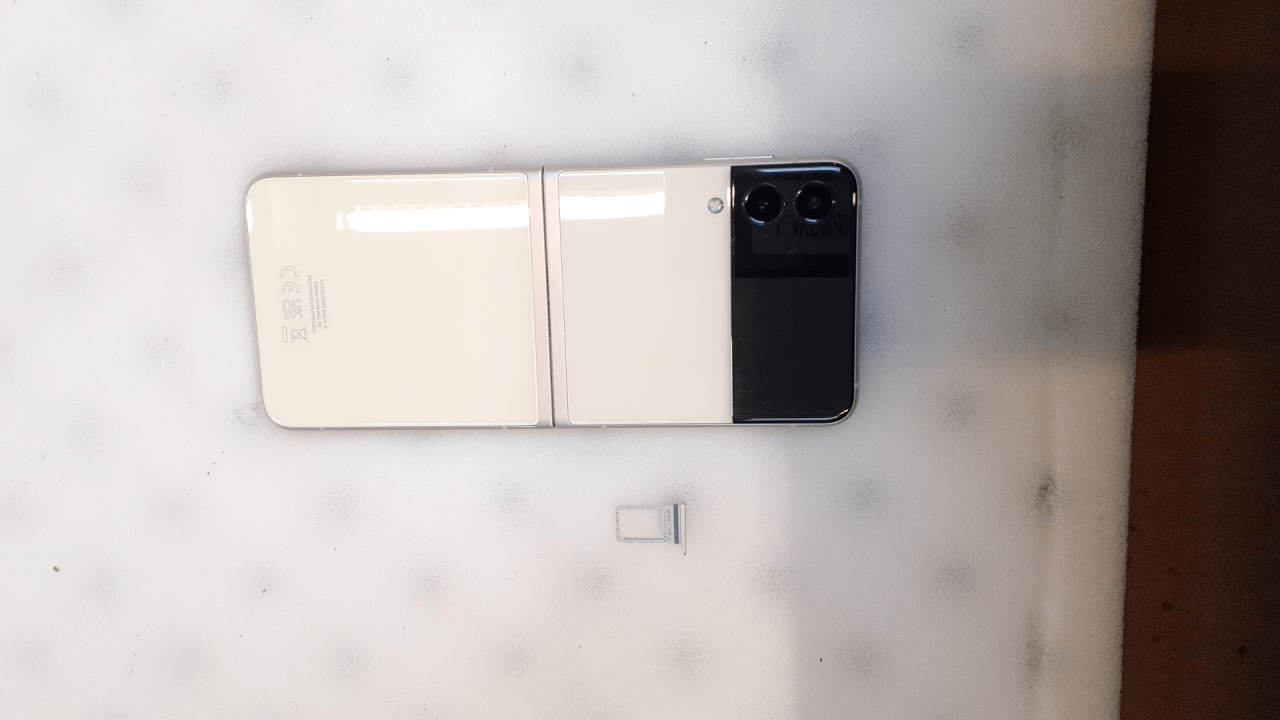
Samsung’s Galaxy Z Fold 3 and Z Flip 2, pioneering foldable smartphones, introduced a new paradigm in mobile design. Beyond their innovative form factors, these devices incorporated advanced water resistance, marking a significant leap in durability and user experience. This section delves into the technical specifications and features behind these phones’ water resistance capabilities.The ability to withstand water exposure is crucial for modern smartphones, particularly in the growing market of outdoor and active users.
Samsung meticulously designed both the Z Fold 3 and Z Flip 2 to meet specific water resistance standards, enabling users to enjoy their devices in various environments.
Water Resistance Standards
Samsung’s commitment to water resistance is evident in their adherence to established industry standards. These phones are not just “splash-proof”; they are engineered to handle specific levels of water exposure. The precise water resistance ratings are critical in determining the phone’s capabilities.
Methods for Achieving Water Resistance
The primary methods employed for achieving water resistance in the Z Fold 3 and Z Flip 2 are multifaceted. Sealants, meticulously applied, play a pivotal role in preventing water ingress. Specialized gaskets, positioned strategically, form airtight barriers around critical components, including hinges and ports.
Materials and Design Elements
The construction of these devices incorporates specific materials and design elements that enhance water resistance. The intricate design of the foldable hinge and the material composition of the internal components are crucial for the phones’ water resistance.
- Protective Sealants: High-performance sealants are employed to prevent water from penetrating critical areas like the display and the interior components. These sealants are carefully chosen for their ability to maintain their effectiveness under various conditions. They are also resistant to degradation over time, ensuring longevity of water resistance. The sealants are applied in multiple layers for increased protection.
- Specialized Gaskets: Strategically placed gaskets, often made from rubber or silicone, act as airtight barriers around critical components, including the hinge, ports, and openings. These gaskets create a watertight seal to prevent water from entering the phone. The gaskets are chosen for their elasticity, ensuring a secure seal even with repeated folding and unfolding.
- Material Selection: The materials used in the construction of the phone, including the frame, display, and internal components, are critical. The choice of materials must be compatible with the need for water resistance. Specifically designed plastics and alloys are used to create a durable and waterproof exterior. The materials are carefully chosen for their water resistance properties and their ability to withstand repeated folding.

Illustration of the Process
The process of achieving water resistance involves a series of precise steps. These steps begin with the meticulous application of sealants to the critical areas of the device. Gaskets are then carefully positioned to create airtight barriers around the phone’s vulnerable points. The materials used must withstand the stress of repeated folding and unfolding.
- Sealant Application: Sealants are applied in layers to create a multi-layered barrier against water ingress. Each layer contributes to the overall water resistance of the device. This process ensures complete coverage of all vulnerable areas, preventing any potential leakage points. The sealant’s precise application is crucial for the phone’s water resistance properties.
- Gasket Placement: Gaskets are positioned around critical components like the hinge and ports to create a watertight seal. The precise placement and sealing of gaskets are crucial to the device’s water resistance rating. Careful consideration is given to the gasket material’s flexibility and resilience, ensuring that the seal remains effective over time.
- Material Integration: The choice of materials plays a vital role. Specific materials are selected to maintain their water resistance properties under different conditions and temperatures. The integration of these materials into the phone’s design ensures that the phone meets the water resistance standards.
Last Word
The potential for water-resistant foldable phones is immense. While challenges remain, the prospect of a truly durable and versatile foldable device opens up exciting possibilities for the future of mobile technology. Consumer demand and market analysis will be key factors in determining the success of these innovations. The upcoming models from Samsung, and competitors, will be interesting to watch.