

Tesla self driving autonomous enhanced autopilot cost – Tesla self-driving autonomous enhanced autopilot cost is a complex issue, influenced by various factors. This exploration dives deep into the different levels of Tesla’s self-driving technology, from basic Autopilot to the advanced features of Enhanced Autopilot. We’ll analyze the pricing structure, potential future upgrades, and even consider how autonomous driving might impact the overall cost of ownership.
Understanding the costs associated with Tesla’s self-driving features is crucial for potential buyers. This comprehensive guide breaks down the initial purchase price, recurring fees, and possible future upgrades, allowing you to make an informed decision. We’ll also compare the features of different packages like Autopilot and Enhanced Autopilot, highlighting their unique strengths and weaknesses.
Overview of Tesla Self-Driving Capabilities: Tesla Self Driving Autonomous Enhanced Autopilot Cost
Tesla’s Autopilot and Full Self-Driving (FSD) systems represent a significant evolution in automotive technology. From basic driver assistance features to increasingly sophisticated autonomous driving capabilities, Tesla has consistently pushed the boundaries of what’s possible in the realm of self-driving cars. This evolution reflects a commitment to leveraging advancements in AI and sensor technology to create a future where vehicles can navigate roads autonomously.Tesla’s self-driving technology is tiered, progressively enhancing its capabilities.
Starting with basic driver assistance features, it escalates to more complex autonomous functions, albeit with varying degrees of human oversight. This layered approach reflects a practical approach to developing and deploying advanced driver-assistance systems (ADAS).
Evolution of Tesla’s Self-Driving Capabilities
Tesla’s self-driving features have advanced significantly since their initial introduction. Early iterations focused primarily on features like adaptive cruise control and lane keeping assist. Subsequent iterations introduced more complex functionalities, including automatic lane changes and more sophisticated navigation. The company has continuously refined and expanded its self-driving capabilities, incorporating new sensors, algorithms, and data to enhance performance and safety.
This ongoing evolution underscores the iterative nature of self-driving technology development.
Tesla’s self-driving, autonomous, enhanced Autopilot features are getting increasingly pricey, but the question remains: is the cost justified? While we’re all waiting to see what the future holds for these features, it’s fascinating to consider the parallel developments in the gaming world, like the recent Harry Potter Wizards Unite teaser, drawing comparisons with Pokémon Go and Niantic’s Fantastic Beasts franchise.
Harry Potter Wizards Unite teaser Pokémon Go Niantic Fantastic Beasts is a great example of how these kinds of mobile gaming experiences are evolving, which begs the question: will the cost of these cutting-edge self-driving features reflect the advancements in gaming and other tech spaces? The price of innovation seems to be rising across many industries.
Key Features and Functionalities
Tesla’s self-driving features are designed to progressively enhance driving assistance and autonomy. This evolution has resulted in a range of capabilities, each with distinct functionalities and limitations. Understanding these differences is crucial for evaluating the true potential and practical application of these systems.
| Feature Name | Description | Approximate Release Date |
|---|---|---|
| Autopilot | Basic driver assistance features like adaptive cruise control, lane keeping assist, automatic lane changes, and automatic emergency braking. Relies heavily on driver monitoring and intervention. | Around 2015 |
| Enhanced Autopilot | Builds on Autopilot with features like automatic lane changes in traffic, adaptive cruise control with stop-and-go functionality, and more sophisticated traffic awareness. Requires greater attention from the driver. | Around 2018 |
| Full Self-Driving (FSD) Beta | Offers a more advanced suite of features, including the ability to navigate intersections, change lanes on highways, and park autonomously. The beta program allows early access to these features but requires driver monitoring and intervention. | Around 2020 |
| Full Self-Driving (FSD) | Aimed at providing a fully autonomous driving experience, this version should include features such as navigating complex city environments and handling various weather conditions without driver intervention. This is still in development and rollout is not complete. | Ongoing Development |
Comparison of Tesla Self-Driving Features
Tesla’s self-driving offerings, ranging from Autopilot to Full Self-Driving, present a spectrum of capabilities and pricing. Understanding the distinctions between these packages is crucial for prospective buyers to select the features that align with their needs and budget. This comparison dives into the specifics of each tier, outlining their unique functionalities, limitations, and projected future development.Tesla’s self-driving technology is continuously evolving.
While Autopilot is a more basic set of driver assistance features, Full Self-Driving promises a more comprehensive autonomous experience. However, the current level of autonomy varies significantly between the packages, and it’s important to acknowledge the ongoing development and potential for future improvements.
Autopilot Features
Autopilot, Tesla’s entry-level self-driving package, offers a suite of driver assistance features. These features, while not fully autonomous, enhance driving comfort and safety in specific situations. Autopilot functions include adaptive cruise control, lane keeping assist, and automatic emergency braking.
- Adaptive Cruise Control: This feature maintains a pre-set distance from the vehicle ahead, adjusting speed automatically. It’s useful for highway driving, offering a more relaxed experience.
- Lane Keeping Assist: Autopilot gently steers the vehicle to maintain its position within the lane. This helps prevent unintentional lane departures.
- Automatic Emergency Braking: This feature detects potential collisions and applies the brakes automatically to mitigate the risk of accidents.
Enhanced Autopilot Features
Enhanced Autopilot builds upon Autopilot’s capabilities. It introduces features that increase driving convenience and potentially improve safety in more complex situations.
- Traffic Aware Cruise Control: This feature allows the vehicle to adjust speed based on traffic conditions, which enhances efficiency and safety.
- Autosteer: This feature extends lane keeping assist and allows the car to steer on highways with minimal driver input.
Full Self-Driving Features
Full Self-Driving (FSD) represents Tesla’s most advanced self-driving package. It aims to provide a more comprehensive autonomous driving experience. Currently, FSD includes advanced features, though full self-driving capability is not yet achieved in all situations.
- Navigate on Autopilot: This feature enables the car to navigate based on directions and drive on roads automatically.
- Auto Lane Changes: This feature allows the vehicle to automatically change lanes when necessary.
Comparison Table
| Feature | Autopilot | Enhanced Autopilot | Full Self-Driving |
|---|---|---|---|
| Adaptive Cruise Control | Yes | Yes | Yes |
| Lane Keeping Assist | Yes | Yes | Yes |
| Automatic Emergency Braking | Yes | Yes | Yes |
| Traffic Aware Cruise Control | No | Yes | Yes |
| Autosteer | No | Yes | Yes |
| Navigate on Autopilot | No | No | Yes |
| Auto Lane Changes | No | No | Yes |
| Price | Included in base model price | Add-on cost | Significant add-on cost |
| Anticipated Future Development | Incremental updates | Continued improvements in safety and convenience | Further enhancements and expansion to a wider range of driving conditions |
Cost Analysis of Tesla Self-Driving Options
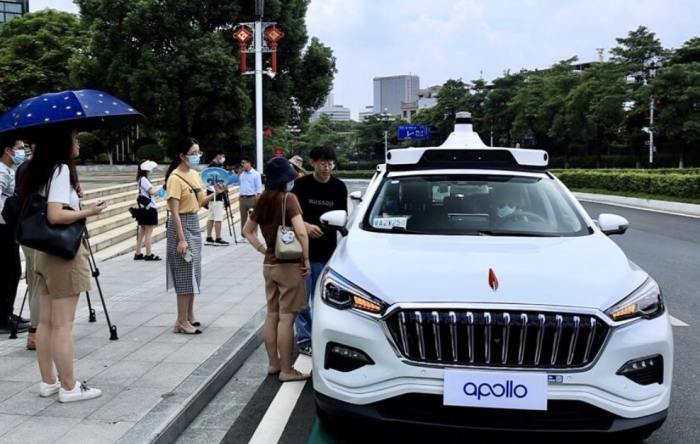
Tesla’s Autopilot and Full Self-Driving (FSD) packages are a significant investment, impacting the overall vehicle ownership cost. Understanding the pricing structure, potential recurring fees, and possible future upgrades is crucial for prospective buyers. This analysis delves into the financial aspects of Tesla’s self-driving offerings, providing a clear picture of the associated costs.The cost of Tesla’s self-driving capabilities varies significantly depending on the chosen package, vehicle model, and location.
Factors like ongoing software updates and potential future feature enhancements further complicate the cost picture. Predicting precise future costs is challenging, but a comprehensive understanding of the current pricing and potential implications is essential for informed decision-making.
Pricing Structure for Tesla Self-Driving Packages
Tesla’s self-driving features are offered through tiered packages. The base Autopilot features are often included in the vehicle’s initial purchase price, while the more advanced Full Self-Driving (FSD) Beta program is sold as an add-on. Crucially, the FSD Beta program involves ongoing fees, even if the feature is not currently fully functional in all situations.
Breakdown of Costs for Each Self-Driving Package
The cost breakdown for each self-driving package includes the initial purchase price, recurring fees (if any), and the potential cost of future upgrades. Initial purchase prices vary depending on the vehicle model and chosen package.
- Autopilot: Typically included in the vehicle’s initial price. Features like adaptive cruise control, lane keeping assist, and automatic emergency braking are usually part of the base package. No recurring fees are associated with this level of functionality.
- Full Self-Driving (FSD) Beta: This package is a significant upgrade offering advanced driver-assistance features. It often carries a substantial upfront cost in addition to the vehicle’s base price. Recurring fees are associated with the FSD Beta program, even if not all features are fully functional. These fees can be seen as ongoing subscription-like costs for the access to ongoing software updates and feature enhancements.
Potential Variations in Pricing
Pricing for Tesla’s self-driving packages can vary based on several factors. These factors can include the specific vehicle model, the location of purchase, and the timing of the purchase.
Tesla’s self-driving, autonomous, enhanced Autopilot features are a hot topic, but the actual cost is still a bit of a mystery. While the initial hype is undeniable, the long-term price tag for this technology seems to be building slowly, much like the unfolding political drama of the Watergate scandal, detailed in this excellent piece on the slow burn of Nixon’s political demise slow burn watergate richard nixon politics slate leon neyfakh.
Ultimately, the true price of this advanced driver-assistance system remains to be seen, and could be a significant factor for consumers in the coming years.
- Vehicle Model: Different Tesla models might have varying pricing structures for the self-driving packages. The more advanced models may command higher prices for the FSD packages.
- Location: Taxes, fees, and regional pricing policies can influence the total cost of the self-driving package.
- Time of Purchase: Tesla periodically adjusts pricing, and promotional offers might impact the cost of the self-driving packages. Early adopters of the FSD Beta program may have experienced different pricing structures compared to those who joined later.
Cost Table of Self-Driving Packages
This table summarizes the potential costs of Tesla’s self-driving packages, including initial purchase price, recurring fees, and potential future upgrades. Note that prices are estimates and can vary.
| Package | Initial Purchase Price (Estimated) | Recurring Fees (Estimated) | Potential Future Upgrades |
|---|---|---|---|
| Autopilot | Included in base price | None | No additional cost for future features within the autopilot package. |
| Full Self-Driving (FSD) Beta | $10,000-$15,000 (additional to base price) | $199/month (estimated) | Potential for future software updates and feature enhancements at no additional cost, but with possible limitations on functionality if not all features are available. |
Autonomous Driving Technology
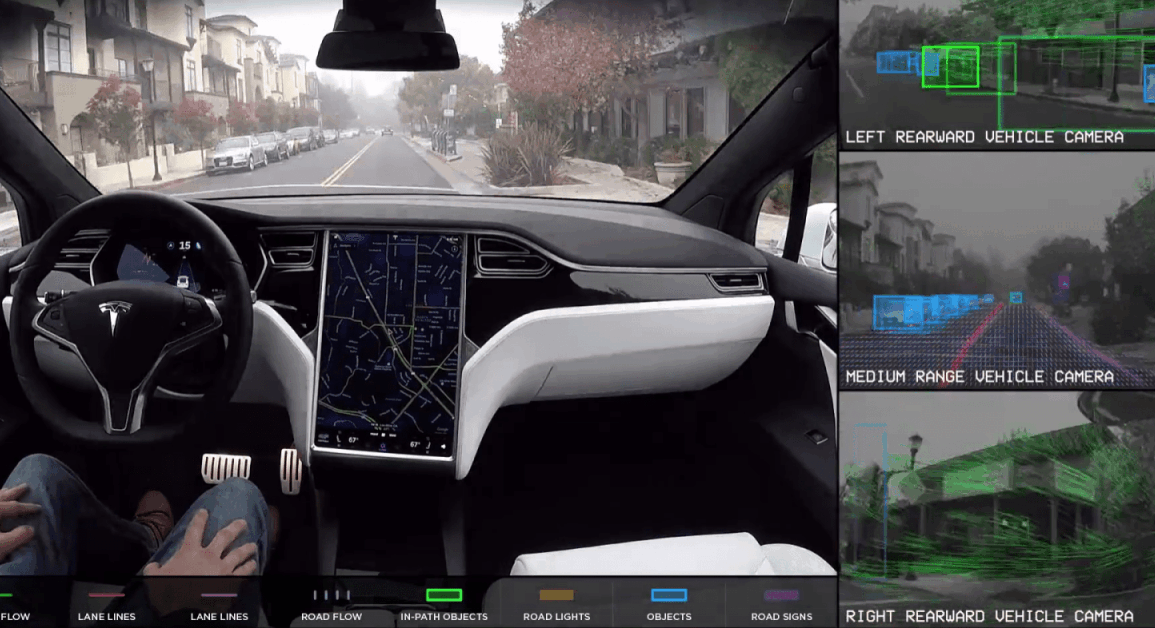
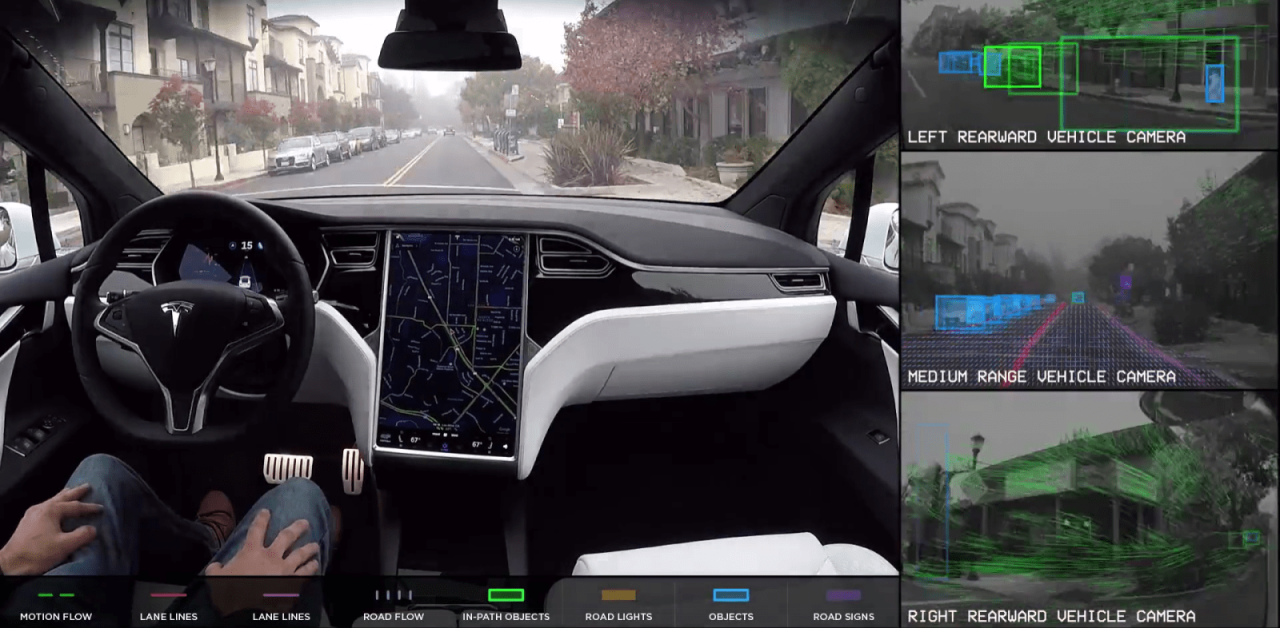
Tesla’s autonomous driving systems rely on a sophisticated combination of sensors, processing power, and algorithms to perceive and react to the environment. This complex interplay of hardware and software aims to mimic human driving capabilities, enabling vehicles to navigate roads autonomously. The technology, while promising, faces significant challenges, and its reliability and safety remain critical considerations.
Sensing Methods
Tesla’s vehicles utilize a suite of sensors to gather data about their surroundings. This includes cameras, radar, and ultrasonic sensors. Cameras provide visual information about the road, pedestrians, and other vehicles, while radar sensors detect objects at varying distances and provide more reliable data in adverse weather conditions. Ultrasonic sensors, though less precise, detect objects at closer proximity, particularly useful for parking and maneuvering in tight spaces.
The data from these diverse sensors is crucial for creating a comprehensive understanding of the environment.
Data Processing
The vast amount of data collected by these sensors is processed in real-time by powerful onboard computers. Sophisticated algorithms analyze the sensor data, identifying objects, estimating their speed and trajectory, and predicting their future behavior. This complex process relies on machine learning models that have been trained on massive datasets of driving scenarios. These models allow the system to adapt to various situations, from highway driving to navigating urban environments.
Action Procedures
Once the system has processed the data and made predictions, it determines the appropriate actions to take. This involves controlling the vehicle’s steering, acceleration, and braking systems to maintain safe and desired driving behavior. Precise control mechanisms are critical to maintaining safety and preventing accidents. This process involves a complex interplay of sensor data interpretation, real-time adjustments, and dynamic decision-making.
Training and Refinement
The training process for Tesla’s autonomous driving systems is multifaceted and relies heavily on a vast dataset of driving experiences. This data is collected from millions of miles of real-world driving and supplemented by simulations. Machine learning models are continuously updated and refined based on the data collected, allowing the system to learn and adapt to new driving scenarios.
Regular software updates and algorithm adjustments are crucial to improving the system’s performance and handling unexpected situations.
Limitations and Challenges
Current autonomous driving systems face limitations, particularly in complex or unpredictable environments. Poor weather conditions, such as heavy rain or snow, can impair sensor performance, leading to reduced accuracy and potential safety risks. The presence of unusual or uncommon situations, like unexpected obstacles or unusual road conditions, also present challenges for the current systems. Furthermore, the reliance on large datasets of driving data raises concerns about bias and the system’s ability to generalize to diverse driving situations.
Future Evolution
Future advancements in autonomous driving technology will likely focus on enhancing sensor capabilities, improving processing speed, and creating more robust and adaptive algorithms. Integration of more advanced sensor technologies, such as lidar, promises improved object detection and situational awareness in challenging conditions. Increased computing power will enable faster and more accurate processing of the massive amounts of sensor data.
Continued improvements in machine learning models and the use of more diverse and comprehensive datasets will further enhance the system’s ability to adapt to diverse driving situations. Ultimately, these advancements aim to improve safety, efficiency, and convenience of autonomous driving.
Impact of Autonomous Driving on the Cost of Ownership
Autonomous driving technology, while promising, presents a complex interplay of potential cost savings and increases for vehicle owners. The introduction of advanced features like self-driving capabilities necessitates a thorough examination of how these features will impact various aspects of ownership, from maintenance to insurance. This analysis will delve into the potential shifts in costs associated with Tesla vehicles incorporating these technologies.
Maintenance and Repair Costs
The introduction of sophisticated autonomous driving systems, with their intricate sensor networks and complex software, might initially increase maintenance costs. These systems require specialized diagnostics and repairs, potentially leading to higher labor costs compared to routine maintenance. However, the long-term impact could be reduced maintenance costs if these systems are designed for enhanced longevity and proactive self-diagnostic capabilities.
Manufacturers might also offer dedicated maintenance packages for self-driving features. Furthermore, the reduced need for driver intervention in routine driving tasks could lead to a decrease in wear and tear on certain components, potentially extending the lifespan of the vehicle.
Insurance Costs
Insurance premiums are expected to be influenced by autonomous driving capabilities. The reduced likelihood of accidents due to improved driver assistance features, as well as increased data collection on driver behavior, could lead to lower premiums for drivers who utilize these features responsibly. Conversely, the increased complexity and potential for system failure in autonomous vehicles could result in higher premiums for some drivers.
The precise impact will depend on the specific autonomous driving features, accident rates, and regulatory frameworks. Factors like the vehicle’s accident history and driver performance with the self-driving system will likely influence insurance rates.
Potential Cost Savings and Increases
| Ownership Scenario | Potential Cost Savings | Potential Cost Increases |
|---|---|---|
| Experienced Driver with Enhanced Autopilot | Potentially lower insurance premiums due to reduced accident risk. Reduced wear and tear on some components. | Potentially higher maintenance costs if sophisticated systems require specialized technicians for repairs. |
| New Driver with Basic Autopilot | Potentially lower insurance premiums due to reduced accident risk compared to human-driven vehicles. | Potentially higher maintenance costs if sophisticated systems require specialized technicians for repairs. Increased risk of accidents from misuse of features. |
| Long-Term Ownership with Advanced Features | Reduced wear and tear on components due to reduced driver fatigue. Potential for lower maintenance costs due to proactive system diagnostics. | Increased maintenance costs due to specialized repairs for sophisticated systems. Increased insurance premiums due to the complexity of the systems. |
This table illustrates the potential cost fluctuations across various ownership scenarios. It’s crucial to acknowledge that the specific impact on each scenario will vary based on individual driving habits, vehicle models, and regulatory changes.
Public Perception and Consumer Adoption
Tesla’s self-driving ambitions have captivated and, at times, perplexed the public. The promise of hands-free driving, coupled with the futuristic image of Tesla vehicles, has sparked considerable interest, but also raised significant questions about safety and reliability. Understanding the public perception and factors driving consumer adoption is crucial for Tesla to navigate the complexities of this emerging technology.Public perception of Tesla’s self-driving technology is multifaceted.
Early adopters often view these features as cutting-edge and desirable, embracing the potential for convenience and innovation. However, the technology’s current limitations, such as the occasional malfunction or safety concerns, have tempered enthusiasm among a broader segment of the public. This nuanced perception influences consumer adoption decisions.
Factors Influencing Consumer Adoption
Consumer decisions regarding self-driving features are heavily influenced by several key factors. Safety concerns remain paramount, with potential accidents and liability issues playing a significant role. Furthermore, the level of reliability and consistency of the technology directly impacts consumer trust and confidence. Ease of use and integration into existing driving routines also strongly influence adoption rates.
- Safety Concerns: Public perception of safety directly correlates with adoption. Reports of accidents involving Tesla’s self-driving features, while relatively infrequent, can significantly impact public confidence. This necessitates continuous improvement and transparent communication about the technology’s limitations.
- Reliability and Consistency: The consistency and reliability of self-driving features are crucial for consumer acceptance. Unpredictable behavior or malfunctions can erode consumer trust. Tesla’s efforts to enhance the system’s robustness through software updates and real-world testing are critical to addressing this factor.
- Ease of Use and Integration: Consumers prioritize intuitive interfaces and seamless integration into their existing driving habits. Poor user experience or overly complex systems can discourage adoption. Clear instructions, well-designed displays, and intuitive controls are vital.
- Cost: The price of self-driving features is a significant consideration for consumers. The premium associated with these advanced systems must align with perceived value and perceived safety benefits. Pricing models that offer varying levels of autonomy can attract a wider range of consumers.
Potential Benefits and Concerns of Widespread Adoption
Widespread autonomous driving adoption presents both exciting possibilities and significant challenges. The potential for increased safety through reduced human error and improved traffic flow is substantial. However, the societal impact on jobs, infrastructure, and insurance models needs careful consideration.
- Enhanced Safety: Autonomous driving systems, when reliable, can reduce accidents caused by human error, potentially leading to safer roads and fewer fatalities. Reduced driver fatigue and improved reaction times in certain situations can also contribute to safer driving.
- Increased Traffic Efficiency: Autonomous vehicles have the potential to optimize traffic flow, leading to reduced congestion and improved commute times. This efficiency translates to time savings and reduced fuel consumption.
- Economic Impacts: The transition to autonomous driving could lead to significant changes in the job market, potentially impacting transportation industries and necessitating workforce retraining and adaptation. Insurance models would also require substantial adjustments to reflect the diminished role of human drivers.
Influence of Consumer Demand and Market Acceptance
Consumer demand and market acceptance play a significant role in shaping pricing and development strategies. Strong consumer interest can justify higher prices for self-driving features, while lukewarm reception necessitates a reassessment of pricing models and development priorities. Tesla’s ability to adapt to evolving market preferences will determine its success in this evolving sector.
Tesla’s enhanced Autopilot features, like their self-driving autonomous tech, can be pricey. Figuring out the precise cost depends on the specific features and upgrades you select. Knowing how to factory reset your PS5, on the other hand, is a much simpler process. This guide will walk you through the steps. Ultimately, the price of Tesla’s self-driving features still presents a significant barrier for many consumers.
- Pricing Strategies: Strong consumer demand can support higher prices for advanced self-driving options, justifying the significant R&D investment. Conversely, a lack of consumer interest may necessitate tiered pricing models or more affordable options to attract a wider audience.
- Development Priorities: Consumer feedback and market trends will guide development priorities. Addressing safety concerns and enhancing reliability will remain paramount. Further development may focus on specific use cases, like delivery services, to identify and satisfy niche demands.
Future of Tesla’s Autonomous Driving Technology
Tesla’s autonomous driving ambitions represent a significant leap forward in automotive technology. Their current offerings, while impressive, are still evolving. The future of Tesla’s self-driving capabilities hinges on advancements in sensor technology, machine learning algorithms, and the accumulation of vast amounts of real-world driving data. This evolution promises to impact not only Tesla’s vehicles but also the entire automotive industry.
Potential Advancements in Sensor Technology
Tesla’s current reliance on cameras, radar, and ultrasonic sensors is pushing the boundaries of what’s possible, but further advancements are inevitable. The integration of lidar, with its superior depth perception, could significantly enhance object recognition and situational awareness, particularly in challenging conditions like heavy fog or dense traffic. Further refinement of existing sensor technology, including increased processing speed and reduced latency, will also be critical.
Impact on Tesla’s Offerings
The evolution of sensor technology will directly translate into improved safety and reliability in Tesla’s self-driving features. More advanced object detection will result in smoother, more intuitive driving experiences, enabling features like adaptive cruise control, lane keeping, and automated parking to operate more effectively and safely in diverse environments. This will likely lead to higher levels of autonomous driving, moving closer to the envisioned fully self-driving capabilities.
Potential Challenges and Opportunities, Tesla self driving autonomous enhanced autopilot cost
The road to fully autonomous driving is fraught with challenges. One key obstacle is the complexity of diverse driving scenarios, including unpredictable human behavior and unexpected road conditions. Overcoming these challenges will require ongoing refinement of algorithms, increased data acquisition, and continued improvement in sensor technology. The opportunity lies in the potential to drastically reduce traffic accidents, enhance driver convenience, and unlock new applications for transportation.
Timeline of Anticipated Future Developments
| Year | Development | Estimated Cost Impact |
|---|---|---|
| 2024-2025 | Significant improvements in existing sensor fusion algorithms, enhanced pedestrian and cyclist detection. | Minor cost increase for hardware and software upgrades, likely incorporated in new model releases. |
| 2026-2028 | Integration of high-resolution lidar into some models, further refinement of machine learning algorithms to handle more complex driving situations. | Potential increase in the price of specific model lines incorporating lidar, potentially ranging from a few thousand dollars to a significant premium for higher-end models. |
| 2029-2031 | Significant expansion of the self-driving network, incorporating real-world data to further enhance the capabilities of the algorithms. Development of more sophisticated decision-making capabilities in high-stress situations. | Potential for a wider range of price increases based on model complexity, with advanced models experiencing a larger price premium. |
| 2032-2035 | Potentially achieving Level 4 or Level 5 autonomous driving in specific regions, depending on regulatory approvals and data acquisition. | The cost of fully autonomous models could be substantial, with potential price differences among various models depending on the level of autonomy. |
Summary
In conclusion, the cost of Tesla’s self-driving features is multifaceted, influenced by vehicle models, location, and purchase timing. While the initial investment might seem substantial, factors like potential cost savings in maintenance and insurance could impact the overall cost of ownership. Ultimately, understanding the evolving landscape of autonomous driving and Tesla’s approach to this technology is key to navigating the complexities of this exciting but potentially expensive feature.
The future of Tesla’s autonomous driving is still unfolding, but this analysis provides a crucial starting point for anyone interested in this advanced technology.