

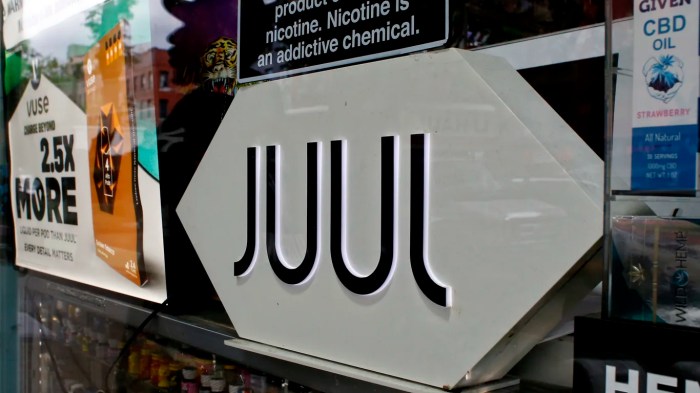
Juul suspends sale fruity flavor pods ecigarette sets the stage for a fascinating look at the evolving landscape of e-cigarettes. The decision, coming after years of debate and controversy surrounding the appeal of fruity flavors, especially to young people, has ignited a firestorm of reactions across various demographics. This analysis delves into the history of Juul, the reasons behind the suspension, public response, alternative options, and the potential long-term effects on youth and public health initiatives.
Juul’s fruity flavored pods, once a popular choice, are now off the market. This move reflects the growing concerns about the addictive nature of nicotine and the impact of flavored e-cigarettes on youth. The suspension is a significant event in the e-cigarette industry, likely to reshape marketing strategies and regulatory approaches worldwide. It also prompts critical questions about the responsibility of manufacturers and the effectiveness of current anti-vaping campaigns targeting young people.
Background on Juul and E-Cigarettes
Juul Labs, a company now embroiled in controversy, rapidly rose to prominence in the e-cigarette market, particularly among young adults. Its sleek design and innovative technology, coupled with a marketing strategy that focused heavily on appealing to a younger demographic, propelled it to become a leading player. However, this success was short-lived, as Juul’s products came under intense scrutiny, leading to regulatory actions and a decline in its market share.The initial popularity of Juul, and many other e-cigarette brands, was heavily tied to the availability of fruity flavored pods.
These flavors, often mimicking popular candy and fruit tastes, proved particularly enticing to young consumers. This appeal, however, sparked concerns about potential addiction and harm, particularly among those who had never smoked traditional cigarettes. The subsequent regulatory actions aimed to address these concerns and limit the appeal of flavored products.
Juul’s decision to suspend the sale of fruity flavored pods is certainly a big deal for e-cigarette users. It’s a move aimed at reducing youth vaping, but the ripple effects are interesting. Meanwhile, the ongoing debate about 5G technology and its potential impact on aircraft safety, like the recent delays in Verizon and AT&T’s C-band 5G rollout due to FAA concerns about verizon att cband 5g faa delay safety aircraft , highlights the complexities of balancing technological advancement with safety regulations.
Ultimately, both issues point to a broader discussion about health, safety, and the evolving landscape of consumer products.
History of Juul Labs and E-Cigarette Products
Juul Labs emerged in the early 2010s, capitalizing on the growing interest in e-cigarettes. Its initial products emphasized a sleek design and a sophisticated user experience, setting it apart from earlier e-cigarette models. The company’s innovative technology, including a precise vaporization system, attracted significant attention. However, its rapid growth and significant market share came with scrutiny regarding its marketing tactics, especially its focus on appealing to younger users.
Rise and Fall of Fruity Flavored E-Cigarette Pods
Fruity flavors were a key driver in the initial popularity of e-cigarettes, particularly among younger consumers. The appeal of familiar flavors like fruit punch, mango, and strawberry, often mimicking popular candy and desserts, proved effective in attracting a wider consumer base. However, the appeal of these flavors became a point of contention, as concerns arose about their potential to entice youth into nicotine use.
Regulatory Landscape Surrounding E-Cigarettes and Flavored Pods
The regulatory environment surrounding e-cigarettes and flavored pods varies significantly across different regions. In the United States, the Food and Drug Administration (FDA) has taken a strong stance on regulating e-cigarettes, aiming to reduce youth vaping and the promotion of flavored products. Similar regulatory actions are evident in the European Union, where concerns about youth vaping and the potential health risks associated with flavored pods have led to restrictions.
Controversy Surrounding the Marketing and Sale of Flavored E-Cigarettes
The marketing of flavored e-cigarettes has been highly controversial, with critics arguing that these products specifically target youth. The availability of appealing flavors, such as those mimicking popular candy and desserts, is seen as a deliberate attempt to entice a younger demographic, raising concerns about addiction and potential long-term health consequences. The subsequent regulatory actions aimed to address these concerns and limit the availability of flavored products.
Comparison of Juul’s Fruity Flavor Pod Offerings Over Time
| Year | Available Fruity Flavors | Marketing Focus | Regulatory Actions |
|---|---|---|---|
| 2017 | Strawberry, Mango, Blue Raspberry, etc. | Highlighting the taste and experience. | Limited FDA regulation. |
| 2018 | Expanded fruit flavors, including some fruit combinations. | Targeting a wider demographic with various fruit combinations. | Growing public health concerns. |
| 2019 | Continued variety, but with more complex flavor combinations. | Focusing on a more sophisticated user experience. | Increased FDA scrutiny and proposed regulations. |
| 2020 – Present | Reduced availability, particularly of fruit flavors. | Focus shifted to a more neutral/tobacco-flavored approach. | Significant FDA regulations and restrictions on flavors. |
Juul’s Decision to Suspend Sales
Juul Labs’ recent decision to suspend the sale of fruity-flavored pods marks a significant shift in the e-cigarette market. This move, while seemingly aimed at reducing youth vaping, carries implications for the company’s future and the broader industry. The rationale behind this decision and its potential consequences warrant careful consideration.Juul’s suspension of fruity-flavored pods stems from a combination of factors, including increasing public concern regarding youth vaping, evolving regulatory landscapes, and the company’s own internal efforts to address potential health risks associated with flavored products.
The decision reflects a growing recognition of the need to mitigate the appeal of e-cigarettes to young people, as well as a proactive approach to managing potential legal challenges.
Reasons for the Suspension
The primary driver behind Juul’s decision to suspend the sale of fruity-flavored pods is the growing body of evidence linking flavored e-cigarettes to youth vaping. Numerous studies have demonstrated the significant correlation between the availability of appealing flavors, particularly fruity ones, and the initiation of vaping among adolescents. The company likely recognizes the increasing pressure from regulatory bodies and public health organizations to curb the appeal of these products to vulnerable populations.
This suspension also could be interpreted as a strategic move to mitigate future legal repercussions and maintain a positive brand image.
Potential Impacts on Juul’s Brand Image and Market Share
The suspension of fruity-flavored pods is likely to have a mixed impact on Juul’s brand image. While it could enhance its image as a company committed to public health, it could also result in a short-term loss of market share. The decision may alienate some existing customers who prefer these flavors, and it might hinder Juul’s ability to attract new users.
The company needs to carefully manage this transition and implement effective marketing strategies to regain lost market share.
Potential Implications for the Broader E-Cigarette Industry
The decision by Juul has ripple effects throughout the broader e-cigarette industry. Other e-cigarette companies may follow suit, either suspending or reformulating their fruity-flavored products to address public health concerns. This could lead to a restructuring of the market, with a potential shift in consumer preferences and purchasing patterns. Furthermore, it could lead to increased scrutiny and stricter regulations for the entire industry.
Legal and Ethical Considerations
The suspension of fruity-flavored pods raises several legal and ethical considerations. The company needs to ensure compliance with evolving regulations, and the suspension must be justified on grounds of public health and safety. Ethical concerns center on the responsibility of businesses to mitigate harm and ensure their products do not contribute to the health problems of vulnerable populations.
Juul’s recent decision to halt the sale of fruity-flavored pods is a big deal for e-cigarette users. While this might seem like a straightforward move, it’s interesting to see how this decision relates to the current market trends. For example, if you’re looking for a new handheld gaming device, you might want to check out the playdate handheld price increase last chance preorder deal sale before it’s too late.
Ultimately, these kinds of moves from big companies can have a ripple effect, influencing consumer behavior and potentially leading to more restrictions on vaping products in the future.
A comprehensive assessment of the potential long-term consequences for the industry, including the impact on youth vaping, is crucial.
Market Share Comparison
| Time Period | Juul’s Estimated Market Share (before suspension) | Juul’s Estimated Market Share (after suspension) |
|---|---|---|
| Pre-Suspension (2022) | ~30% | ~ (to be determined) |
| Post-Suspension (2023-estimated) | ~ (to be determined) | ~ (to be determined) |
Note: Precise market share figures after the suspension are difficult to predict and will vary depending on the timeframe and consumer response. The table provides a general illustration of the potential shift. It’s crucial to understand that market share estimations are complex and depend on numerous factors.
Public Response and Reactions
The Juul decision to suspend sales of fruity-flavored pods sparked a wide range of reactions across various demographics, from concerned health organizations to enthusiastic advocates. This public response, a complex interplay of anxieties and opinions, highlighted the multifaceted impact of e-cigarette regulations and the evolving public health conversation surrounding vaping.The suspension, driven by the alarming rise in youth vaping and the potential health risks associated with certain flavors, ignited a discussion about the role of big tobacco companies in shaping public health trends.
Reactions ranged from accusations of misleading marketing tactics to praise for proactive regulatory measures.
Health Organizations and Advocacy Groups
Health organizations and advocacy groups generally welcomed Juul’s decision, viewing it as a positive step toward curbing youth vaping and promoting public health. Their statements often emphasized the need for further action and stricter regulations to address the underlying issues contributing to youth vaping.
- The American Lung Association, for example, frequently called for stricter regulations on flavored e-cigarettes, particularly those targeting young adults. Their statements highlighted the association between flavored products and increased youth vaping.
- Similarly, the Centers for Disease Control and Prevention (CDC) frequently issued statements emphasizing the health risks of vaping, particularly for young people. Their data frequently revealed the correlations between vaping and respiratory illnesses, reinforcing the urgency for intervention.
Smokers’ Perspective
Smokers’ reactions were often mixed. Some saw the suspension as a positive move towards potentially reducing the overall use of e-cigarettes, particularly among youth, while others felt it might increase their difficulty in quitting traditional cigarettes. There were concerns about the availability of viable alternatives.
Non-Smokers’ Perspective
Non-smokers generally supported the suspension, seeing it as a measure to protect public health, particularly vulnerable populations like children and adolescents. Their concerns centered on the potential long-term health consequences of e-cigarette use, emphasizing the need for a more cautious approach.
Young Adults’ Perspective
Young adults held a variety of perspectives on the suspension. Some felt frustrated by the loss of access to a specific product, while others were supportive of measures aimed at reducing youth vaping. There were differing views regarding the overall efficacy of these regulations in impacting young adults’ choices.
Media Portrayal
The media widely reported on Juul’s decision, with varying degrees of emphasis on different aspects of the story. Some news outlets focused on the potential impact on public health, while others highlighted the economic implications for the company.
| Perspective | Quote/Summary |
|---|---|
| Health Organizations | “We applaud Juul’s decision to suspend sales of these flavored pods. This is a critical step towards protecting our youth from the dangers of vaping.” |
| Advocacy Groups | “The suspension is a step in the right direction, but more needs to be done to address the broader issue of youth vaping.” |
| Smokers | “I’m concerned about losing a viable alternative to cigarettes. I hope there are other options available to me.” |
| Non-Smokers | “This is a good step to prevent youth addiction. We need more measures to ensure the safety of our community.” |
| Young Adults | “I feel restricted now that these flavors are unavailable. I’m curious about how this will impact my future choices.” |
| Media | The media portrayed the suspension as a significant public health issue, focusing on the potential health risks to youth and the need for stricter regulations. |
Alternatives and Future Trends
The Juul’s decision to suspend sales of fruity-flavored pods has opened up the market for alternative e-cigarette products. This decision has significant implications for the future of the e-cigarette industry, particularly concerning the evolving landscape of flavors and regulations. The suspension highlights a shift in public health priorities and the need for a more comprehensive understanding of the long-term effects of vaping.The e-cigarette market is dynamic and ever-changing, with new products and trends emerging frequently.
This shift in the market necessitates a proactive approach to understanding the available alternatives and anticipating future regulations.
Alternative E-Cigarette Products, Juul suspends sale fruity flavor pods ecigarette
The market offers a wide range of e-cigarette products beyond Juul, each with unique characteristics. These alternatives cater to various preferences and nicotine needs. Consumers seeking alternatives to Juul’s fruity flavors can explore options that provide comparable nicotine delivery and satisfaction.
Emerging Trends in the E-cigarette Market
Several trends are shaping the e-cigarette market. One prominent trend is the increasing popularity of disposable e-cigarettes, often with a wide array of flavors. Furthermore, advancements in technology, such as enhanced battery life and vapor production, are driving product innovation. Another trend is the rise of nicotine salts, which offer a smoother throat hit and are often perceived as less harsh.
Potential Impact on the Market for Non-Fruity Flavored E-cigarettes
The suspension of fruity-flavored pods may stimulate increased interest in non-fruity flavored e-cigarettes. This is likely to result in a greater variety of non-fruity options becoming available in the market, potentially leading to greater consumer choice. The market may also see an increased focus on menthol, tobacco, and other traditional flavors.
So, Juul’s pulling the plug on fruity flavored e-cigarette pods. It’s a bit of a bummer, right? But hey, while you’re thinking about vape replacements, why not snag some seriously discounted wireless earbuds during Best Buy’s Black Friday sale? Hurry drown out the family drama with USD80 off our favorite wireless earbuds during Best Buy’s Black Friday sale – perfect for blocking out the noise (and maybe the vape cravings!).
This Juul move might just be the push some folks need to finally kick the habit, or perhaps just find a more convenient alternative.
Popular Alternatives to Juul Fruity Flavored Pods
| Alternative Brand | Product Type | Key Features |
|---|---|---|
| Vuse | Disposable | Wide range of flavors, including tobacco and menthol; known for ease of use. |
| Logic | Refillable Pod System | Multiple flavor options, including tobacco and menthol; emphasis on delivering a smooth experience. |
| Elf Bar | Disposable | Variety of flavors; popular for its large capacity and long battery life. |
| Smok | Refillable Pod System | Extensive range of flavors, including many non-fruity options; known for performance. |
| Geek Bar | Disposable | Known for diverse flavors, some with a higher nicotine concentration; designed for a more intense vaping experience. |
Potential Future Regulations for E-cigarettes and Flavored Products
Future regulations for e-cigarettes and flavored products are likely to become more stringent. Government agencies are increasingly scrutinizing the health impacts of vaping and the potential for addiction. Specific regulations could include stricter flavor restrictions, limitations on nicotine content, or more stringent safety standards for e-cigarette devices. The implementation of these regulations will undoubtedly influence the design and availability of e-cigarette products in the future.
One example of such a shift is the increasing emphasis on regulations regarding youth access and marketing to minors.
Impact on Youth and Adolescent Use: Juul Suspends Sale Fruity Flavor Pods Ecigarette
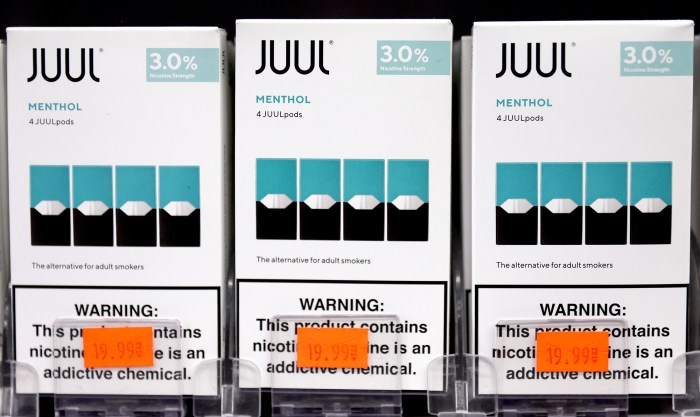
The decision by Juul to suspend sales of fruity-flavored e-cigarette pods has significant implications for youth vaping trends. Understanding the potential effects on young people, the effectiveness of current anti-vaping efforts, and potential long-term consequences is crucial. This section will delve into the correlation between flavored products and youth vaping, the potential shift in adolescent behavior, and the effectiveness of current initiatives.
Possible Link Between Flavored E-Cigarettes and Youth Vaping
Flavored e-cigarettes, particularly those with appealing tastes like fruit, are often associated with increased experimentation among young people. The enticing flavors can make vaping seem less harmful and more appealing, potentially leading to nicotine addiction and subsequent health risks. This association between appealing flavors and experimentation is a key concern for public health officials.
Potential Consequences of the Suspension on Youth Vaping Behavior
The suspension of fruity-flavored pods might lead to a decrease in youth vaping rates, particularly among those who were drawn to the appealing flavors. However, it could also potentially trigger a shift towards other flavored options or non-flavored e-cigarettes, or even illicitly obtained products. Furthermore, young vapers might explore other forms of nicotine delivery, potentially impacting their health.
Effectiveness of Current Anti-Vaping Initiatives Targeting Young People
Current anti-vaping initiatives, including public awareness campaigns, educational programs in schools, and restrictions on sales, have had varying degrees of success in deterring youth vaping. The effectiveness of these initiatives is often contingent on factors like the level of community support, the comprehensiveness of the programs, and the sustained commitment to enforcement. A comprehensive approach is essential for long-term success.
Data on Youth Vaping Rates Before and After the Suspension of Fruity Flavored Pods
Unfortunately, precise data on youth vaping rates specifically before and after the Juul pod suspension is limited. Tracking such changes requires substantial longitudinal studies and often lags behind the actual changes in behavior. Reliable data collection in this area is crucial for evaluating the impact of the suspension.
Potential Long-Term Health Effects of Vaping
Vaping, regardless of flavor, carries potential long-term health risks. While the exact extent of these risks is still being investigated, the known dangers include respiratory problems, cardiovascular issues, and potential effects on the developing brain and lungs of adolescents. A better understanding of these risks is crucial to inform public health strategies.
| Potential Long-Term Health Effects | Explanation |
|---|---|
| Respiratory Problems | Chronic lung diseases, asthma exacerbations, and reduced lung function. |
| Cardiovascular Issues | Increased risk of heart disease and stroke, particularly in adolescents whose cardiovascular systems are still developing. |
| Impact on the Developing Brain | Possible cognitive impairment, developmental delays, and increased risk of mental health issues. |
| Nicotine Addiction | Physical dependence on nicotine, leading to withdrawal symptoms and potentially impacting future health decisions. |
Potential Long-Term Effects
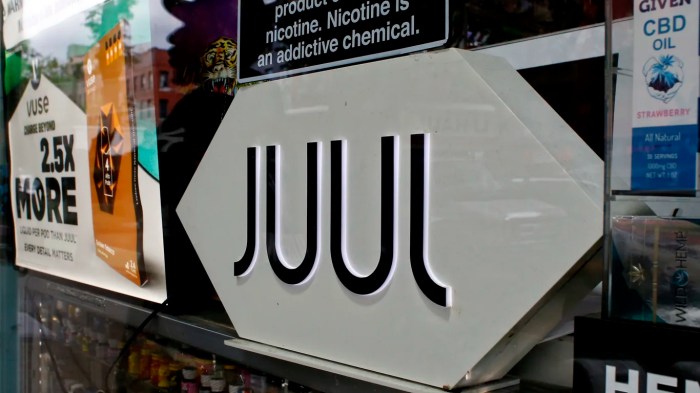
The decision by Juul to suspend sales of certain flavored pods raises crucial questions about the long-term impacts of vaping on human health. While the immediate effects are often discussed, understanding the potential consequences for respiratory, cardiovascular, and neurological systems, particularly in adolescents, is paramount. This exploration delves into the emerging scientific understanding of vaping’s potential long-term effects.
Respiratory Health Impacts
Vaping, even without the use of harmful chemicals, exposes the lungs to a variety of substances, including ultrafine particles and volatile organic compounds. These substances can irritate the airways and potentially lead to chronic lung diseases, like chronic obstructive pulmonary disease (COPD). Studies are ongoing to fully assess the extent of this risk. Some early research suggests a correlation between vaping and increased susceptibility to respiratory infections.
Long-term exposure may lead to irreversible lung damage.
Cardiovascular Health Effects
Vaping has demonstrated potential cardiovascular effects, although more research is needed to fully understand the scope of these effects. Some studies have shown that nicotine, present in many vaping liquids, can affect heart rate and blood pressure. Nicotine’s vasoconstricting effects could potentially increase the risk of cardiovascular diseases, particularly in susceptible individuals.
Brain Development in Adolescents
Adolescent brains are still developing, making them particularly vulnerable to the effects of nicotine and other chemicals found in vaping liquids. Nicotine can disrupt the normal development of the brain’s reward pathways and cognitive functions. This disruption may result in long-term behavioral problems, difficulties with attention, and potential learning disabilities. Furthermore, the long-term effects of vaping on brain development are not fully understood, and further research is needed to fully comprehend the impact on adolescent cognitive functions.
Summary of Current Scientific Knowledge
Current scientific knowledge on vaping is constantly evolving, with new research emerging regularly. Studies have identified several potential harmful effects of vaping, but further long-term studies are required to fully establish the long-term health consequences. The effects are likely to vary based on factors such as the frequency and duration of vaping, the types of liquids used, and individual susceptibility.
Potential Impacts on Public Health Initiatives
The long-term impacts of vaping on public health initiatives are significant. Increased awareness and preventative measures are crucial. Public health campaigns need to address the potential dangers of vaping, particularly for adolescents, to promote informed decision-making. Furthermore, research funding should be allocated to better understand the long-term effects of vaping and the associated health risks. The data collected will inform public health strategies and policies to mitigate the negative consequences of vaping.
Last Point
The suspension of Juul’s fruity flavored pods represents a turning point in the e-cigarette industry, raising crucial questions about public health and youth addiction. While this action may help curb youth vaping, the long-term impact on the overall market, consumer preferences, and the effectiveness of anti-vaping initiatives remain to be seen. Alternative e-cigarette products, evolving regulations, and the potential long-term health effects are all part of the complex discussion surrounding this controversial issue.