



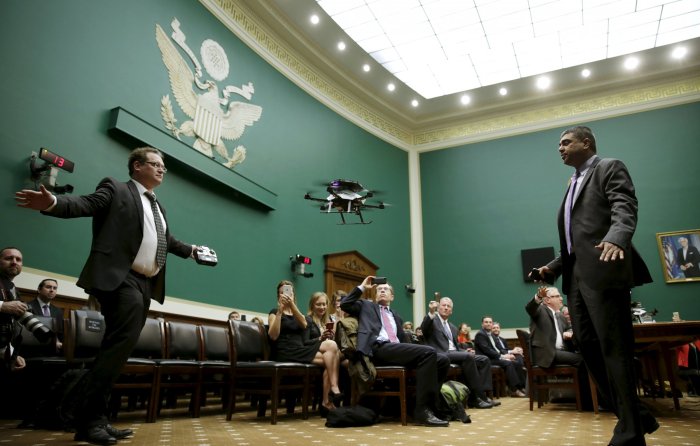
Congress drones unmanned aircraft hearing is set to delve into the complex world of unmanned aerial vehicles. From their national security implications to potential economic impacts and civil liberties concerns, this hearing promises a fascinating exploration of this rapidly evolving technology. We’ll examine the historical context of drone use, the potential threats and countermeasures, and the evolving regulatory landscape surrounding these increasingly prevalent aircraft.
The hearing’s structure, potential witnesses, and possible outcomes will be thoroughly analyzed.
The congressional hearing will explore the multifaceted impact of drones on various aspects of modern life. Expect a discussion of how drones are reshaping warfare, surveillance, and everyday activities. The hearing will also scrutinize the legal and ethical dilemmas raised by this technology, offering a comprehensive look at the various perspectives on drone regulation.
Background on Congressional Hearings
Congressional hearings on unmanned aircraft, often referred to as drones, have become increasingly frequent and crucial in shaping the regulatory landscape surrounding this rapidly evolving technology. These hearings reflect the growing public interest and debate surrounding the use of drones, encompassing diverse perspectives from national security concerns to ethical implications and potential civilian applications. The evolution of drone technology, combined with its integration into various aspects of modern life, has necessitated a careful examination of its impact and appropriate governance.The increasing sophistication of drone technology, coupled with its expanding applications, has prompted a significant shift in public discourse.
Initially perceived as a primarily military tool, drones are now employed in agriculture, delivery services, and surveillance, among other fields. This broader application has fueled a need for comprehensive regulatory frameworks to ensure safety, security, and ethical considerations are addressed.
Historical Overview of Congressional Hearings
Congressional inquiries into unmanned aircraft systems have a history rooted in the military’s initial deployment of these technologies. Early hearings focused on the military applications, particularly in the context of national security operations. As drone technology matured and civilian applications emerged, the scope of these hearings broadened to encompass a wider range of concerns.
Evolution of Drone Technology and Public Discourse
Drone technology has experienced exponential growth, moving from relatively simple surveillance platforms to sophisticated systems capable of complex tasks. This evolution has paralleled a shift in public perception, moving from a relatively limited awareness of drone technology to a more widespread understanding and engagement in the public discourse. The rise of social media and citizen journalism has further amplified this dialogue, providing a platform for diverse perspectives on the use of drones.
Shifting Public Perception of Drones
Initially, the public’s perception of drones was largely influenced by their military applications, often evoking concerns about privacy and potential misuse. However, as drones entered civilian markets, public perceptions have become more nuanced, with some embracing their potential benefits in areas like agriculture, delivery, and search and rescue operations. This shift is not without challenges, with ongoing debates about the appropriate balance between technological advancement and public safety.
Legislative Context and Potential Regulatory Frameworks
The current legislative context surrounding unmanned aircraft involves a complex interplay of federal and state regulations. Various bills and proposals have emerged to address different aspects of drone usage, including airspace access, privacy protection, and liability issues. The need for a robust regulatory framework is undeniable, given the potential for harm and the need to manage the risks associated with the technology.
Perspectives on Congressional Regulation
There are varying perspectives on the role of Congress in regulating drone technology. Some argue for a strong federal regulatory framework to ensure consistent and comprehensive oversight across the nation. Others advocate for a more flexible approach, allowing for greater autonomy at the state level. These differing viewpoints highlight the challenges inherent in creating a regulatory environment that balances technological advancement with public safety and societal needs.
Examples of Drone Applications in Different Sectors
Drones are increasingly being utilized across various sectors. In agriculture, they are used for crop monitoring and precision spraying. In delivery services, drones are emerging as a potential solution for rapid and cost-effective transport. The use of drones in search and rescue operations offers significant advantages in difficult-to-reach areas. These examples illustrate the breadth and potential of drone technology beyond military applications.
Unmanned Aircraft and National Security
The proliferation of unmanned aircraft systems (UAS), commonly known as drones, presents a complex interplay of opportunities and threats to national security. Their versatility, affordability, and ease of operation make them attractive tools for both legitimate and malicious purposes. This hearing will examine the crucial role drones play in modern warfare, intelligence gathering, and the evolving landscape of potential threats.
National Security Implications of Unmanned Aircraft
Drones, due to their maneuverability and stealth capabilities, have become a critical component of modern military and intelligence operations. They offer advantages in reconnaissance, surveillance, and targeted strikes, often reducing risks to human personnel. However, their increasing accessibility to non-state actors also introduces a new dimension of national security concerns.
Potential Threats Posed by Drones
The potential for malicious use of drones is significant. Terrorist groups, criminal organizations, and even individuals could leverage these technologies for acts of terrorism, sabotage, or espionage. Sophisticated weaponization, coupled with the relative ease of acquisition and operation, makes this a potent threat. Countermeasures, including advanced detection and interception systems, are crucial to mitigating this risk.
Drone Use for Surveillance and Intelligence Gathering
Drones are widely used for surveillance and intelligence gathering. Their ability to gather high-resolution imagery and sensor data in real-time provides valuable insights into enemy activities, infrastructure, and troop movements. This information is critical for military planning and decision-making. This technology allows for more comprehensive and often less-intrusive monitoring of potential threats.
Legal and Ethical Considerations Surrounding Drone Use
The use of drones raises complex legal and ethical questions. International laws governing airspace, the use of force, and the protection of civilian populations must be carefully considered in their application. Issues of privacy, accountability, and the potential for unintended harm need careful consideration to ensure responsible use. A balanced approach that balances national security interests with human rights and ethical concerns is essential.
Examples of Past or Present Drone-Related Incidents
Several incidents illustrate the evolving nature of drone threats and the importance of adapting to this technology. The use of drones in attacks on infrastructure, the deployment of drones to deliver explosives, and the use of drones in reconnaissance and surveillance operations have all demonstrated the necessity of proactive countermeasures. These incidents highlight the need for constant vigilance and innovation in national security strategies to address the evolving capabilities and threats posed by unmanned aircraft.
Economic Impacts of Drones
The burgeoning drone industry is poised to reshape various sectors of the economy, presenting both lucrative opportunities and potential challenges. From delivery services to agricultural applications, unmanned aircraft systems (UAS) are rapidly transforming how businesses operate and consumers interact with goods and services. Understanding the economic implications of this technology is crucial for policymakers and industry players alike.The economic benefits of drones are substantial, encompassing increased efficiency, cost savings, and the creation of new markets.
Conversely, the potential for job displacement and regulatory complexities introduces economic risks. The impact of drone regulations on the industry’s growth trajectory is a significant concern, influencing investment decisions and the overall economic contribution of this innovative technology.
Economic Benefits of Unmanned Aircraft Systems
The efficiency gains achieved through drone deployment translate directly into economic advantages for businesses and consumers. Delivery services, for instance, can be significantly accelerated and streamlined using drones, reducing delivery times and costs. This efficiency translates into lower prices for consumers and higher profits for companies. Furthermore, drones enable access to remote or difficult-to-reach areas, opening up new possibilities for agricultural surveying, infrastructure inspections, and environmental monitoring.
These applications are particularly valuable in developing countries or disaster-stricken regions.
Job Creation Potential and Industries Impacted
The drone industry’s rapid growth is expected to create a substantial number of jobs across various sectors. Manufacturing, maintenance, and operations of UAS are crucial components of this expansion. Companies involved in software development, data analysis, and drone-related services will also experience significant job creation. The agriculture, logistics, and security sectors are also anticipated to benefit from job growth driven by drone adoption.
Potential Economic Risks and Challenges
While the economic potential of drones is considerable, several risks and challenges need careful consideration. Job displacement in traditional industries, such as package delivery or construction, is a potential concern. The high initial investment required for drone technology acquisition can also be a barrier to entry for smaller businesses. Additionally, the need for robust safety regulations and infrastructure to support drone operations can impose costs and delays.
Economic Effects of Drone Regulations
The regulatory landscape surrounding drone operations plays a crucial role in shaping the economic trajectory of the industry. Stringent regulations can hinder innovation and investment, potentially slowing down the growth of drone-related jobs and economic activities. Conversely, well-designed regulations can create a safe and predictable environment, fostering innovation and attracting investment. Clear guidelines regarding airspace usage, safety protocols, and data privacy are essential for establishing trust and confidence in the drone industry.
Impact on Various Sectors of the Economy
The drone industry is expected to impact various sectors of the economy in significant ways. In agriculture, drones can improve crop yields and reduce input costs. In logistics, they can optimize delivery routes and reduce transportation costs. In infrastructure inspection, drones can provide cost-effective and timely assessments. Furthermore, the drone industry’s impact extends to environmental monitoring, security, and surveillance, among other fields.
For example, the agricultural sector can leverage drone technology for precise crop monitoring, leading to increased yields and reduced resource consumption.
Civil Liberties and Privacy Concerns
The burgeoning use of drones raises profound questions about civil liberties and privacy. As these unmanned aircraft become more prevalent, the potential for misuse and unwarranted surveillance becomes a serious concern for citizens and policymakers alike. The ability to collect vast amounts of data without direct human intervention necessitates a careful examination of the ethical implications and legal frameworks surrounding drone operations.
Implications for Individual Freedoms
Drone surveillance, if not properly regulated, can significantly impact individual freedoms. The constant potential for observation can deter individuals from engaging in certain activities or expressing opinions freely. This chilling effect on free speech and assembly is a serious concern. For example, individuals might hesitate to participate in protests or public gatherings if they fear their actions are being monitored by drones.
Congress is holding a hearing on drones, also known as unmanned aircraft. It’s fascinating to see the legal battles surrounding these technologies. Meanwhile, the upcoming Google trial is generating a lot of buzz, with the judge planning to clear the courtroom before the epic proceedings begin ( the judge plans to clear the courtroom before the epic Google trial begins ).
This might seem like a separate issue, but it highlights the wider implications of technological advancements, even in seemingly unrelated legal arenas. Hopefully, the drone hearing will shed some light on these complex issues.
Potential for Privacy Violations
The ubiquitous nature of drone surveillance poses a considerable threat to privacy. Drones equipped with advanced sensors can gather extensive data on individuals and their surroundings. This includes personal interactions, movements, and even sensitive information within private property. Such surveillance, without appropriate legal safeguards, constitutes a violation of fundamental privacy rights. This is particularly problematic in densely populated areas where continuous drone activity is possible.
The potential for misuse of this data, including its dissemination to unauthorized parties, further compounds the risk.
Surveillance Concerns
Concerns regarding the extent of drone surveillance extend beyond individual privacy. The potential for widespread and indiscriminate monitoring raises concerns about the erosion of societal trust and the creation of a climate of fear. This can lead to social divisions and a sense of being constantly observed. A crucial factor in this concern is the lack of clear legal boundaries defining the acceptable limits of drone surveillance.
Need for Transparency and Accountability
Establishing clear guidelines and transparent protocols for drone operations is crucial. This includes specifying the circumstances under which drone surveillance is permissible, the data collection methods, and the mechanisms for oversight and accountability. Without such transparency, there is a significant risk that drone technology will be misused. The public needs to be aware of the scope of drone operations and how their data is being collected and used.
Potential for Misuse of Drone Technology
The potential for misuse of drone technology is a significant concern. Drones can be used for nefarious purposes, such as targeted assassinations, unlawful surveillance, or even acts of terrorism. The ease of access to drone technology and the relative lack of regulation in some areas further exacerbate this risk. The potential for misuse requires careful consideration and robust safeguards.
Existing legislation must adapt to the evolving capabilities of drones to effectively prevent abuse. Furthermore, international cooperation is essential to address the cross-border implications of drone technology.
International Relations and Drone Use: Congress Drones Unmanned Aircraft Hearing
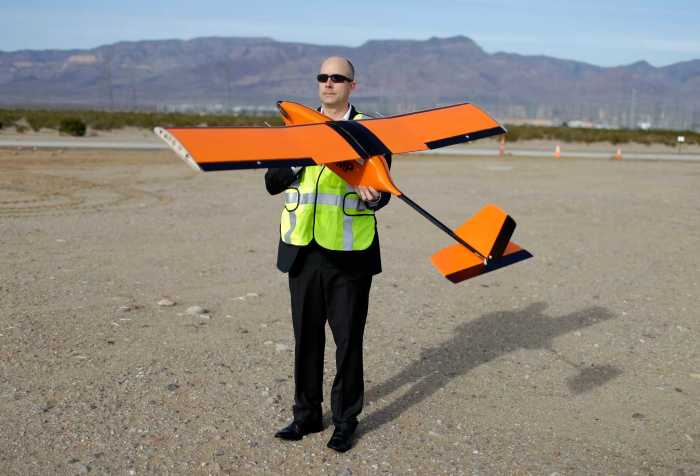
The burgeoning use of unmanned aircraft systems (UAS), commonly known as drones, has profoundly impacted international relations. Their versatility and cost-effectiveness have made them increasingly attractive for a variety of applications, both military and civilian. However, this proliferation has also introduced complex challenges and ethical considerations, particularly in the realm of international law and diplomacy. The global implications of drone technology demand careful consideration of potential conflicts, ethical frameworks, and the role of international organizations in establishing guidelines.The implications of drone use extend beyond national borders, shaping diplomatic relations and military strategies across the globe.
Different countries hold varying perspectives on the legality and morality of using drones for surveillance, targeted killings, and other operations. This divergence of opinion can lead to significant friction and potentially escalate into international disputes. Moreover, the lack of clear international regulations surrounding drone technology contributes to this uncertainty.
International Perspectives on Drone Regulation
Different nations have adopted varying approaches to regulating drone use, reflecting diverse national security concerns and legal traditions. Some countries have implemented strict regulations and limitations on drone operations, while others have adopted a more permissive approach. This disparity in regulation creates challenges in international cooperation and creates a complex web of potential conflicts. The lack of a universal framework for drone use often leads to disagreements and tensions in international interactions.
Examples of Drone Use in International Relations
Drones are employed in numerous international contexts, from humanitarian aid to military operations. For instance, humanitarian organizations frequently use drones to deliver supplies to remote areas or assess disaster damage. In counterterrorism efforts, drones are utilized for surveillance and reconnaissance. The use of drones for border security is also becoming increasingly common, enabling nations to monitor their territorial boundaries more effectively.
These varied applications underscore the multifaceted nature of drone technology and its evolving role in international affairs.
Potential for Conflict and International Disputes
The potential for conflict arising from drone use is significant. Misunderstandings or miscalculations regarding the intended use of drones, or the violation of a nation’s airspace, can easily escalate tensions. The possibility of civilian casualties or collateral damage during drone operations can further exacerbate international disputes. The lack of clear international legal guidelines regarding the use of drones in cross-border operations is a critical factor in the potential for conflict.
Role of International Organizations in Addressing Drone-Related Issues
International organizations, such as the United Nations, play a crucial role in addressing the complex issues surrounding drone use. These organizations can facilitate discussions and promote international cooperation on drone regulation. Establishing international standards and guidelines for drone use is a significant challenge, requiring collaboration between nations and international organizations. The creation of a global framework for the ethical and legal use of drones is crucial for preventing conflicts and promoting responsible innovation.
Structure of the Hearing
Congressional hearings on unmanned aircraft systems (UAS), often called drones, are crucial for navigating the complex interplay between technological advancement, national security, and societal impact. Understanding the structure of these hearings is vital to assess their effectiveness in addressing the multifaceted challenges posed by these rapidly evolving technologies. A well-structured hearing fosters informed debate and the potential for productive legislation.
Potential Hearing Structure
A structured hearing, designed to maximize its effectiveness, would involve clear allocation of time for various witness categories and topics. This facilitates a balanced and comprehensive understanding of the issue.
| Segment | Committee Members | Witnesses | Topics Covered | Time Allocation |
|---|---|---|---|---|
| Opening Statements | Chair, Ranking Member, and select committee members | None | Overview of UAS, context of the hearing, and committee’s agenda. | 30 minutes |
| Expert Testimony | Committee members | Military officials, industry representatives, academic experts | Technical aspects of UAS, operational capabilities, safety standards, and maintenance. | 2 hours |
| Civil Liberties and Privacy Concerns | Committee members | Civil rights advocates, privacy experts, legal scholars | Potential misuse of UAS for surveillance, impact on privacy rights, and data security. | 1 hour |
| Economic Impacts | Committee members | Economists, industry representatives, entrepreneurs | Job creation, economic development, and the overall economic effect of UAS technology. | 45 minutes |
| International Relations | Committee members | Diplomats, foreign policy experts, representatives from international organizations | International agreements, cooperation, and potential conflicts related to UAS technology. | 45 minutes |
| Q&A and Discussion | All committee members | All witnesses | Open forum for questions and clarification from committee members and the public. | 1 hour |
| Closing Statements | Chair, Ranking Member | None | Summary of key findings and potential next steps. | 30 minutes |
Potential Scenarios for UAS Hearings
Different scenarios for a congressional hearing on UAS reflect varying priorities and concerns. Each scenario will shape the hearing’s structure and focus.
| Scenario | Witness Categories | Focus |
|---|---|---|
| National Security Focus | Military officials, intelligence experts, security analysts | UAS capabilities for surveillance, defense, and counter-terrorism. Emphasis on technological advancement, security protocols, and international implications. |
| Economic Impact Focus | Industry representatives, economists, entrepreneurs, labor union representatives | Job creation, economic development, and the overall economic effect of UAS technology, including regulation, training, and economic incentives. |
| Civil Liberties and Privacy Concerns | Civil rights advocates, privacy experts, legal scholars, academics | Potential misuse of UAS for surveillance, impact on privacy rights, and data security. Emphasis on ethical considerations and potential legislative action. |
Comparing Legislative Approaches
Different legislative approaches to UAS regulation will produce varying outcomes. The effectiveness and efficiency of each approach will be measured by its ability to address specific concerns.
| Legislative Approach | Potential Outcomes | Advantages | Disadvantages |
|---|---|---|---|
| Stricter Regulations | Enhanced safety, protection of civil liberties, and greater clarity. | Improved public safety and reduced risk of misuse. | Potentially stifle innovation and economic growth. |
| Flexible Regulations | Promotes innovation, economic growth, and adaptable response to emerging needs. | Allows for rapid adaptation to changing technologies. | Potentially higher risk of misuse and lack of clarity. |
Scheduling a Hearing
A detailed schedule is essential for a productive hearing. It should account for the duration of each segment and allocate adequate time for discussion and testimony.
The Congressional hearing on drones and unmanned aircraft was fascinating, but I’m also buzzing about Yelp’s new search tool for Asian-owned businesses! This new app is a game-changer for finding hidden gems, and it highlights the importance of supporting local businesses. It’s interesting to see how tech is bridging the gap between community and commerce, which is ultimately what these drone discussions are also trying to achieve in a different way.
Example scheduling:
- 8:00 AM – 8:30 AM: Opening Statements by Committee Chair and Ranking Member.
- 8:30 AM – 10:30 AM: Expert Testimony from Military Officials and Industry Representatives.
- 10:30 AM – 11:30 AM: Break.
- 11:30 AM – 12:30 PM: Testimony on Civil Liberties and Privacy.
- 12:30 PM – 1:15 PM: Lunch Break.
- 1:15 PM – 2:00 PM: Economic Impact Testimony.
- 2:00 PM – 2:45 PM: International Relations Discussion.
- 2:45 PM – 4:00 PM: Q&A and General Discussion.
- 4:00 PM – 4:30 PM: Closing Statements by Committee Chair and Ranking Member.
Potential Testimony
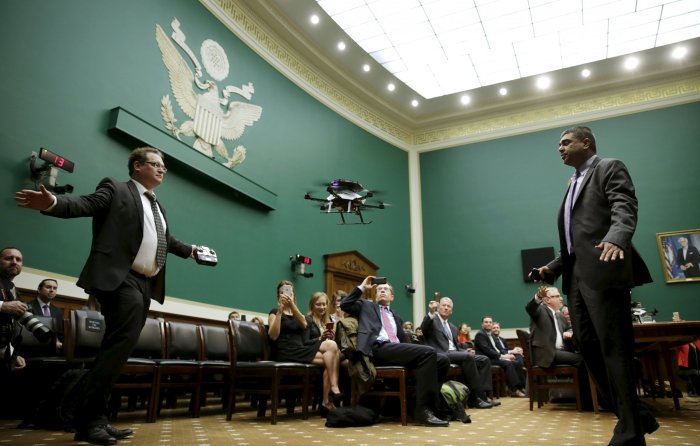
The upcoming Congressional hearing on unmanned aircraft promises to be a crucial forum for examining the multifaceted implications of drones. From national security concerns to economic opportunities and civil liberties, the discussion will delve into a complex landscape. This section explores potential testimony from various stakeholders, offering diverse perspectives on the topic.
Congress’s hearing on drones and unmanned aircraft is fascinating, but it got me thinking about the potential for similar tech in everyday devices. For instance, a rumor about Amazon Alexa Echo speakers getting push notifications, as detailed in this article on amazon alexa echo speaker push notifications rumor , highlights how tech integration could affect our lives.
Ultimately, all this tech, from drones to smart speakers, begs the question of how we balance innovation with security in the future of unmanned systems.
Potential Witnesses
A diverse panel of witnesses is essential to provide a comprehensive understanding of the drone phenomenon. These individuals can offer unique insights, ranging from the military’s perspective to the concerns of civil liberties advocates.
- Military Official: A high-ranking military official with experience in drone operations can provide insights into the strategic value of drones in modern warfare, their effectiveness in intelligence gathering, and their use in counterterrorism efforts. Their testimony will offer a firsthand account of the operational realities and limitations of unmanned aerial vehicles.
- Civil Liberties Advocate: A prominent civil liberties advocate can present concerns about the potential for misuse of drones in surveillance and the impact on individual privacy. Their testimony will address the need for robust legal frameworks and oversight to protect fundamental rights.
- Industry Representative: A representative from a major drone manufacturer or a company specializing in drone technology can highlight the economic benefits of the drone industry, including job creation, innovation, and technological advancements. Their testimony will Artikel the industry’s potential for growth and the contributions to the economy.
- International Relations Expert: An international relations expert with a focus on drone technology and its implications for global security and diplomacy can offer a global perspective on the ethical considerations and potential risks of widespread drone use. Their testimony will address the potential for conflict and the need for international cooperation and regulations.
Military Official Statement Sample
“Drones have become an indispensable tool in modern warfare. Their ability to collect intelligence in real-time, to conduct targeted strikes with precision, and to operate in hostile environments significantly enhances our national security posture. The increasing sophistication of drone technology allows for a more precise and cost-effective approach to counterterrorism operations. However, careful consideration must be given to the ethical implications of their use and the need for clear legal guidelines. Our goal is to leverage this technology responsibly while adhering to international humanitarian law.”
Civil Liberties Advocate Statement Sample
“The widespread use of drones for surveillance raises significant civil liberties concerns. The potential for mass surveillance and the lack of transparency in drone operations erode public trust and undermine fundamental rights. Stricter regulations are needed to limit the scope of drone surveillance and to ensure that it is used only in accordance with the law and with strong protections for individual privacy. We must ensure that these powerful technologies are used responsibly and ethically.”
Industry Representative Statement Sample
“The drone industry represents a significant economic opportunity with the potential to revolutionize numerous sectors, from agriculture to delivery services. The advancements in drone technology are creating new jobs, fostering innovation, and generating substantial economic growth. Our commitment is to develop and deploy drones that are safe, reliable, and environmentally responsible. We strongly support responsible regulations to foster innovation and ensure safety, and we stand ready to work with policymakers to ensure this growth is guided ethically.”
International Relations Expert Statement Sample
“The proliferation of drone technology has significant implications for international relations. While offering advantages in terms of surveillance and potential conflict resolution, there is also a risk of miscalculation and escalation. The need for international cooperation and the establishment of clear norms of behavior is paramount to mitigate the potential for unintended consequences. The global community must address the issues of accountability, transparency, and responsible use of drones in international contexts to prevent conflicts and ensure a safer global environment.”
Illustrative Examples
Unmanned aerial vehicles, or drones, are rapidly transforming various sectors, from agriculture to warfare. Understanding their diverse applications and potential for misuse is crucial for crafting effective regulations and fostering responsible innovation. This section provides detailed examples illustrating the multifaceted nature of drones and their impact.Drones are no longer a futuristic concept; they are integral to modern life.
Their versatility enables applications in countless fields, each with unique operational characteristics and potential risks. This exploration examines the positive and negative implications of drone technology, from agricultural advancements to potential security concerns.
Types of Drones and Their Uses, Congress drones unmanned aircraft hearing
Various drone types cater to specific needs. Micro-drones, small and lightweight, are often used for aerial photography and videography. Medium-sized drones are employed in agriculture, inspecting infrastructure, and delivering packages. Larger drones, equipped with advanced sensors, play critical roles in search and rescue, environmental monitoring, and military operations. This wide range of capabilities underscores the importance of targeted regulations.
- Agricultural Drones: Precision agriculture is a rapidly evolving sector, utilizing drones to monitor crop health, assess yields, and apply pesticides precisely. Equipped with multispectral cameras, drones can identify areas requiring specific treatment, minimizing waste and maximizing efficiency. For example, a farmer in California uses a drone to map their fields and identify nutrient deficiencies in real-time, leading to optimized fertilizer application, and increased crop yields.
- Delivery Drones: Companies are exploring drone delivery services for packages, reducing delivery times and costs. These drones, often equipped with advanced GPS systems and automated flight controls, can navigate complex environments, delivering packages directly to customers. For example, Amazon’s Prime Air program is testing drone delivery services in select areas, demonstrating the potential for this technology to revolutionize logistics.
- Search and Rescue Drones: Equipped with thermal imaging and high-resolution cameras, drones can survey disaster areas or remote locations, rapidly locating survivors or victims. In a natural disaster, drones equipped with thermal imaging can quickly identify people trapped in rubble or under debris, saving lives and increasing the efficiency of rescue operations.

Potential for Misuse
The same technologies enabling beneficial applications also present potential risks. Malicious actors could use drones for surveillance, harassment, or even the delivery of harmful payloads. This underscores the need for robust regulatory frameworks and responsible development.
- Surveillance and Espionage: Drones equipped with high-resolution cameras can be used to gather intelligence without detection. This raises serious privacy concerns and the potential for abuse, particularly in sensitive areas such as residential neighborhoods or political events. For instance, drones have been used in certain countries for surveillance of political protests, raising concerns about civil liberties.
- Delivery of Harmful Substances: Drones can be utilized to deliver explosives or other hazardous materials, posing a serious threat to public safety. The potential for malicious actors to weaponize drones is a significant concern that requires careful consideration. For example, drones have been used in terrorist attacks, highlighting the need for security protocols to prevent misuse.
Regulatory Framework for Drone Use
A robust regulatory framework is essential for controlling drone use and mitigating potential risks. This framework should address issues such as airspace management, security protocols, and liability in case of accidents.
| Regulatory Component | Description |
|---|---|
| Airspace Management | Establishing clear guidelines for drone operations in various airspace categories, ensuring safe coexistence with other aircraft. |
| Security Protocols | Implementing measures to prevent drone theft, hijacking, and the use of drones for malicious purposes. This may include identification and registration requirements for drones. |
| Liability | Establishing clear guidelines for liability in case of accidents or damages caused by drones, ensuring accountability and protection for affected parties. |
“A comprehensive regulatory framework for drone use should prioritize safety, security, and privacy while fostering innovation and economic growth.”
Summary
In conclusion, the congress drones unmanned aircraft hearing promises a significant and multifaceted discussion on the future of drone technology. The hearing will likely illuminate the complex interplay between national security, economic interests, civil liberties, and international relations. The outcomes of this hearing could significantly impact future drone regulations and their role in society. The diverse viewpoints presented by witnesses will undoubtedly provide a rich understanding of the intricate challenges and opportunities presented by this rapidly evolving technology.