NASA is officially moving forward with a newly structured approach to retrieve geological specimens from the Martian surface, breathing fresh life into a high-priority interplanetary initiative that has faced significant budgetary and logistical hurdles over the past several years.
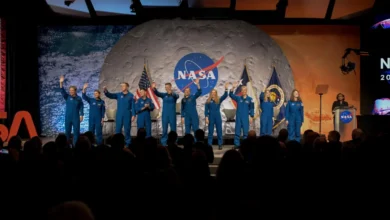
During a virtual meeting of the Mars Exploration Program Analysis Group (MEPAG), Tiffany Morgan, director of the NASA Mars Exploration Program (MEP), unveiled the Perseverance Sample Retrieval Architecture (PSRA). This newly established framework outlines a revised strategy for gathering and returning the cached Martian cores and atmospheric samples currently being compiled by the car-sized Perseverance rover inside Jezero Crater.
The unveiling marks a pivotal turning point for NASA’s broader planetary science endeavors. For decades, the long-term objective of returning pristine, uncompromised geological material from the Red Planet has remained a cornerstone of space exploration. However, escalating cost projections and technical complexities had thrown the original Mars Sample Return (MSR) program into a state of severe uncertainty, forcing the agency to rethink how it plans to accomplish one of the most technically demanding feats in the history of robotic spaceflight.
The Background of Perseverance and Jezero Crater
Since its dramatic touchdown on the floor of Jezero Crater in February 2021, NASA’s Perseverance rover has been intensely active. The region, selected by scientists because it once hosted a sprawling ancient lake and river delta, represents an optimal environment for searching for biosignatures—potential fossilized evidence of ancient microbial life that may have existed billions of years ago when Mars was warmer, wetter, and far more Earth-like.
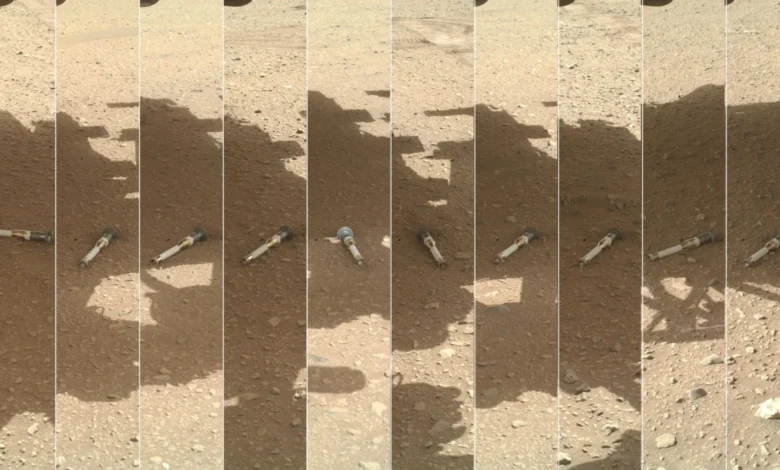
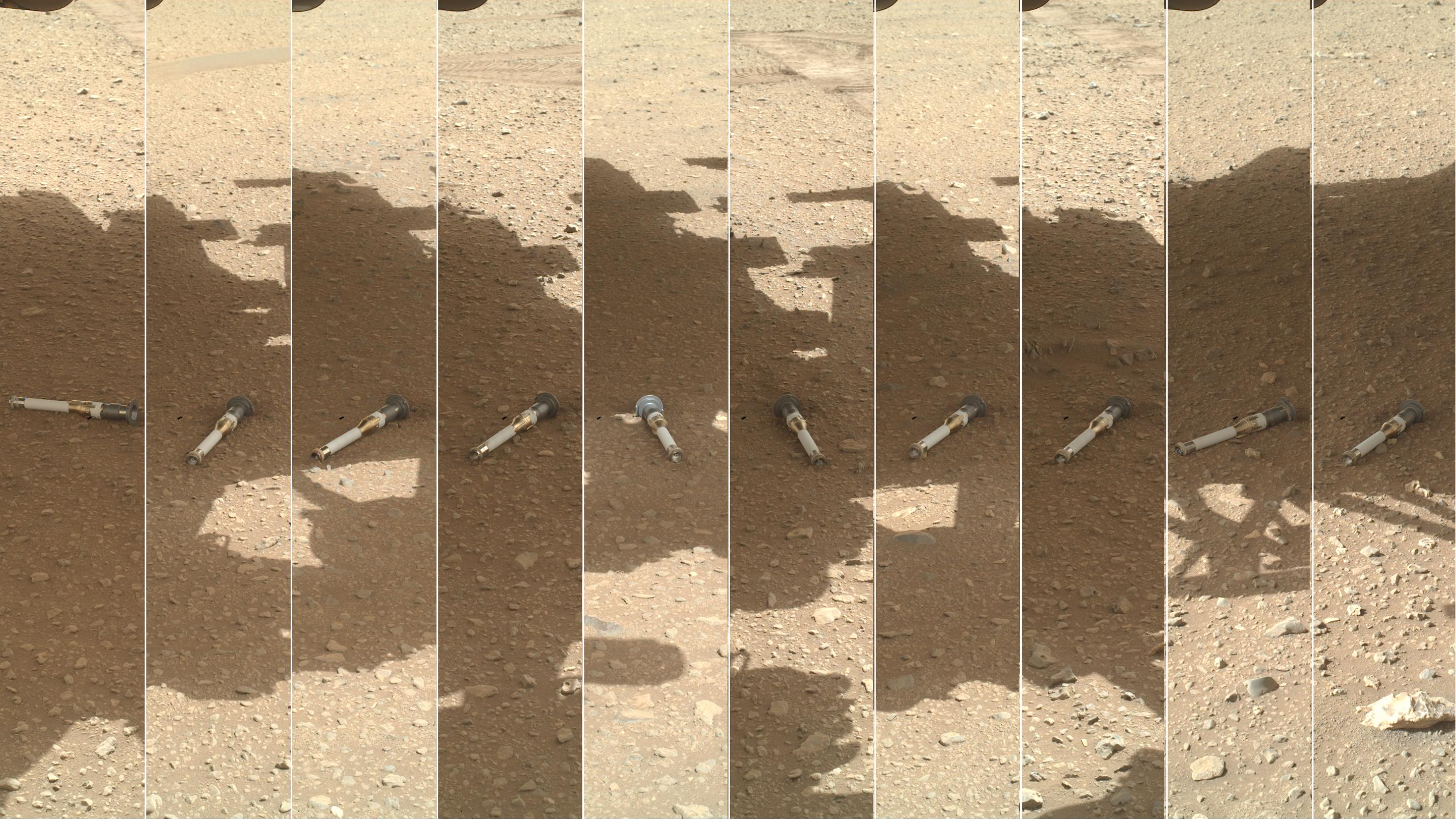
Operating within this rugged landscape, Perseverance has systematically drilled into carefully chosen rock formations, extracting cylindrical rock cores and sealing them inside specialized ultra-clean metallic tubes. The rover has stored many of these samples securely within its own internal chassis while systematically depositing a series of backup cache tubes at a designated surface depot known as Three Forks.
These extraterrestrial collectibles carry immense scientific value. While onboard rover laboratories are marvels of modern engineering, their analytical capabilities are inherently limited by size, mass, and power constraints. Transporting these sealed specimens back to Earth laboratories equipped with massive, state-of-the-art analytical instruments is widely considered the only definitive way to unlock their deepest chemical and biological secrets.
Sticker Shock and Programmatic Restructuring
The catalyst for the newly minted PSRA initiative stems from mounting financial and schedule pressures that plagued the legacy MSR program. Independent review boards convened by NASA evaluated earlier iterations of the architecture and delivered startling findings regarding the project’s financial trajectory.
Most notably, an independent review board projected that the traditional MSR blueprint could ultimately balloon to an astronomical $11 billion price tag, with the final delivery of samples to Earth pushed back as late as 2040. Agency leadership quickly recognized that such an exorbitant cost and protracted timeline were unsustainable within the constraints of the federal planetary science budget, deeming the original architecture unfeasible.
Subsequent evaluation teams later explored alternative models, suggesting that optimized spacecraft designs could potentially accelerate the return timeline to 2035 while slashing costs closer to the $8 billion threshold. Nonetheless, the wide variance in cost estimates and technical pathways underscored the urgent need for a comprehensive overhaul. The introduction of the PSRA strategy team intends to resolve these lingering financial and engineering anxieties, establishing a definitive roadmap that balances economic realism with ambitious scientific discovery.
According to program timelines outlined by agency officials, the formal PSRA strategy team kickoff is scheduled for January 2027, with a comprehensive final report slated for release during the winter of 2027-2028. This upcoming window will dictate how NASA intends to redesign the hardware, flight profiles, and mission sequences necessary to execute the ultimate interplanetary handoff.
Mitigating Risks for Future Human Explorers
While the pursuit of astrobiology and the search for ancient life have traditionally driven the narrative behind sample return missions, recent strategic analyses highlight an equally critical motivation: preparing the way for human boots on the Martian surface.
Speaking at the MEPAG gathering, Dr. Bruce Jakosky of the Laboratory for Atmospheric and Space Physics at the University of Colorado Boulder and the Department of Earth and Space Sciences at the University of Washington emphasized the necessity of integrating robotic sample returns with long-term human exploration planning. Jakosky drew attention to findings from a specialized workshop held the previous May, organized by the advocacy group Explore Mars, Inc.
The resulting workshop report argued that the primary justification for accelerating the sample return timeline should extend beyond pure science to encompass vital risk reduction for future astronaut crews.
"The purpose is to understand the risk to astronauts and to hardware," Jakosky explained during his presentation. He pointed out that Martian dust and soil contain hazardous compounds that could pose severe health risks if inhaled by human explorers. Specifically, toxic perchlorates and chloromethanes—compounds already identified on the Martian surface—along with abrasive airborne dust particles, present significant hazards to human respiratory systems and can accelerate mechanical wear and tear on spacesuits, habitats, and surface machinery.
By securing pristine regolith and dust samples through robotic architectures like the PSRA prior to launching crewed missions, mission planners can comprehensively analyze these reactive compounds in terrestrial containment facilities. This proactive step will allow engineers to design more effective filtration, sealing, and mitigation technologies long before the first human crew embarks on the multi-year journey to the Red Planet.
The Global Context: China’s Tianwen-3 Mission
Adding significant urgency to NASA’s internal deliberations is the rapid advancement of international space programs, most notably China’s aggressive lunar and planetary exploration roadmap.
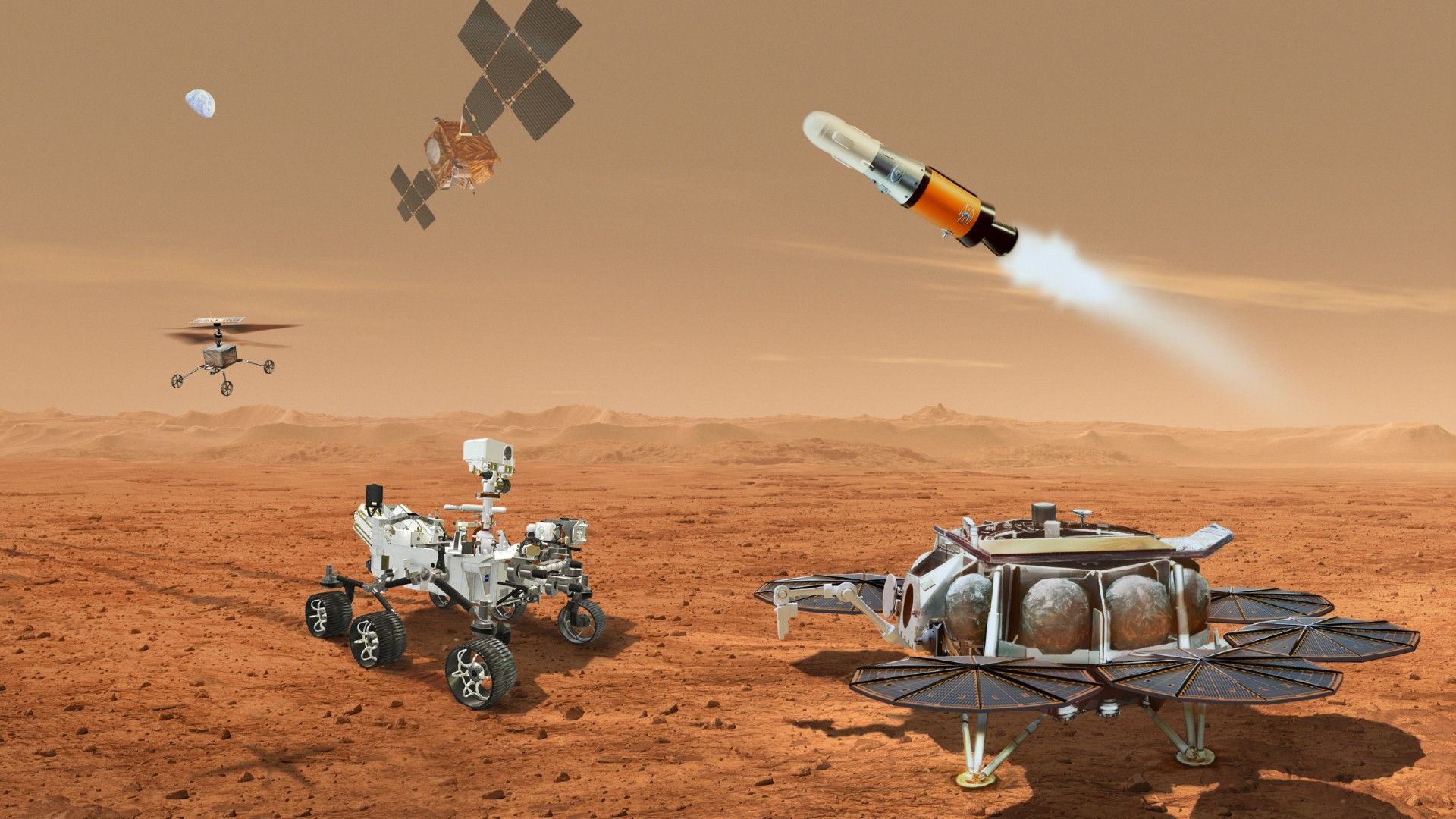
The China National Space Administration (CNSA) has made steady, transparent progress on its upcoming Tianwen-3 Mars Sample Return mission. According to technical outlines released by CNSA and academic partners, the Tianwen-3 mission architecture is remarkably comprehensive, relying on a complex suite of flight elements including a dedicated lander, an ascender vehicle to launch specimens off the surface, a service capsule, a planetary orbiter, and an Earth reentry module capable of safely delivering the precious payload through the atmosphere.
Current projections indicate that China’s Tianwen-3 mission remains on an aggressive schedule to launch as early as 2028. The mission plans to utilize two powerful Long March-5 heavy-lift carrier rockets lifting off from the Wenchang Space Launch Site on Hainan Island. If successful, Tianwen-3 aims to capture approximately 500 grams of Martian soil and rock, delivering those samples back to Earth laboratories by 2031.
This rapidly shifting geopolitical and programmatic landscape has effectively transformed Mars sample return into a modern space race. While the scientific objectives remain focused on uncovering the geological history of the solar system, the race to see which space agency will successfully land the first authentic pieces of Mars on terrestrial soil adds considerable competitive pressure to NASA’s newly announced strategy.
Broader Implications and the Path Forward
The rollout of the Perseverance Sample Retrieval Architecture represents far more than a simple bureaucratic rebranding. It is a calculated recalibration by NASA to salvage an essential scientific objective while navigating tight budgetary realities and rising international competition.
As the January 2027 kickoff for the PSRA strategy team approaches, the aerospace community will be watching closely to see how the agency plans to overcome the engineering hurdles that derailed past iterations. Whether through streamlined commercial partnerships, innovative propulsion methods, or modular spacecraft designs, the ultimate success of the PSRA will determine not only when humanity finally lays hands on the secrets locked within Perseverance’s titanium tubes, but also how safely future generations of explorers will navigate the treacherous, dust-laden environment of the Red Planet.