




Google AI Social Good Impact Challenge Global Competition sets the stage for a global quest to address pressing social issues with innovative AI solutions. This competition invites participants to craft impactful projects that leverage the power of AI to make a real difference in communities worldwide. It encompasses various themes and offers a structured path for aspiring innovators to showcase their talents and contribute to a better future.
This competition provides a comprehensive overview of the challenge, exploring past successes, potential project ideas, feasibility analysis, project impact illustration, project proposal development, and evaluation metrics. The detailed breakdown allows aspiring participants to fully grasp the competition’s intricacies and navigate the application process effectively. The timeline and eligibility criteria are clearly Artikeld, along with a table of different project categories, ensuring clarity for all potential participants.
Overview of the Google AI Social Good Impact Challenge Global Competition
The Google AI Social Good Impact Challenge Global Competition is a significant initiative that empowers individuals and teams to leverage AI to tackle pressing global challenges. This competition fosters innovation and provides a platform for developing and implementing impactful solutions in areas like education, healthcare, and environmental sustainability. The opportunity to collaborate with Google and a supportive community of AI enthusiasts makes this a valuable chance for aspiring developers and social innovators.
Eligibility Criteria and Application Process
The competition welcomes diverse participation. Teams are encouraged to consist of individuals with complementary skills and backgrounds. Participants should possess a strong understanding of AI principles and methodologies. A detailed review of application materials will assess the feasibility and potential impact of proposed solutions. The application process involves submitting a comprehensive project proposal outlining the problem, solution, and expected impact.
I’ve been following the Google AI Social Good Impact Challenge global competition, and it’s inspiring to see the innovative solutions emerging. Thinking about how technology can improve lives globally is pretty cool. Meanwhile, the new vivo x50 pro plus gimbal camera global india release price is causing a buzz in the tech community, check it out ! It’s great to see how various industries are pushing boundaries, and it makes me excited to see what the future holds for AI-driven solutions that tackle real-world problems.
Key Themes and Areas of Focus
The competition focuses on addressing critical global issues. These include promoting education access, enhancing healthcare delivery, and mitigating environmental risks. Specific project areas encompass AI-powered tools for personalized learning, smart agriculture solutions, and AI-driven diagnostics for early disease detection.
Timeline of the Competition
A structured timeline ensures a clear path for all participants. The key dates and deadlines will be communicated clearly on the official competition website. This includes the application submission period, judging process, and eventual awards ceremony.
Project Categories
This section Artikels the various categories of projects that participants can submit. This structured approach enables a focused evaluation of projects, ensuring that a diverse range of solutions is considered. A wide range of projects, encompassing different approaches and methodologies, are welcomed.
I’m fascinated by the Google AI Social Good Impact Challenge global competition, focusing on innovative solutions for societal issues. It’s incredibly inspiring to see how AI can be harnessed for good. The fascinating history of iconic video game characters, like Pac-Man, is also really intriguing, and the book “Pac-Man: Birth of an Icon” by the author Cook Becker, explores the origins of this beloved character.
pac man birth of icon book history cook becker Ultimately, both the challenge and the insights into the development of gaming legends like Pac-Man highlight the power of human ingenuity and creativity, driving innovation in different fields.
| Project Category | Description |
|---|---|
| Education | Projects focused on improving access to quality education, including personalized learning platforms and educational resource development. |
| Healthcare | Projects aimed at enhancing healthcare delivery, such as AI-driven diagnostics, personalized treatment plans, and remote patient monitoring. |
| Environment | Projects centered around environmental sustainability, including smart agriculture, climate change mitigation, and resource management. |
| Other Social Impact | Projects addressing other pressing social issues, including community development, disaster response, and economic empowerment. |
Analyzing Past Winners and Submissions: Google Ai Social Good Impact Challenge Global Competition
Delving into past Google AI Social Good Impact Challenge winners provides valuable insights into successful project characteristics, innovative technologies, and the impact of these initiatives. Understanding the approaches taken by previous winners can offer inspiration and guidance for current participants. This analysis will focus on key patterns and trends in successful submissions, helping participants develop stronger proposals.Previous winners demonstrate a range of successful strategies and technological implementations.
Identifying common threads in successful projects can offer a framework for participants to build upon, and help them to craft more impactful and effective submissions.
Key Characteristics of Successful Projects
Successful projects in previous competitions often exhibited a clear and concise problem statement, outlining the specific social issue addressed. They also highlighted the project’s potential for scalability and long-term sustainability. This demonstrates the importance of addressing not only immediate needs but also the broader systemic issues. A strong project proposal also included detailed plans for monitoring and evaluating the project’s impact, ensuring accountability and transparency.
Comparison of Successful Projects Across Categories
A comparison of successful projects across different categories reveals some interesting patterns. For example, projects focused on education often employed innovative educational technologies and demonstrated a strong partnership with local communities. Projects addressing healthcare frequently utilized data analytics and machine learning to improve access and quality of care. While methodologies differed, a common thread was a strong understanding of the local context and community needs.
Impact and Reach of Past Winning Projects
The impact and reach of past winning projects varied depending on the scope and scale of the project. Some projects achieved significant impact at a local level, while others had broader national or even international reach. Examples include projects that improved access to clean water in rural communities or those that trained thousands of teachers on new educational methodologies.
Quantifiable metrics such as the number of people reached or the positive change observed in targeted communities provided valuable insights.
Table Comparing Approaches Used by Different Winners
| Project Category | Approach | Innovative Technologies | Impact |
|---|---|---|---|
| Education | Developed interactive learning apps for remote areas, partnering with local schools | Mobile learning platforms, AI-powered personalized learning tools | Increased literacy rates, improved student engagement in under-resourced communities |
| Healthcare | Developed a mobile app for remote diagnosis and treatment recommendations | Machine learning algorithms, telemedicine platforms | Improved access to healthcare, reduced diagnostic delays in underserved regions |
| Agriculture | Developed AI-powered tools to optimize crop yields and predict weather patterns | Precision agriculture tools, climate data analysis | Increased agricultural output, enhanced resilience to climate change |
Innovative Technologies Employed by Past Projects
Several past projects utilized innovative technologies to address the social challenges they tackled. Examples include machine learning algorithms for predictive modeling, data visualization tools for presenting complex data, and mobile applications for improved accessibility. The use of AI-powered chatbots for providing support and information to marginalized communities was another notable trend. These technologies allowed for greater efficiency, scalability, and impact of the solutions.
Exploring Potential Project Ideas
The Google AI Social Good Impact Challenge presents a fantastic opportunity to leverage AI for positive change. This section delves into potential project ideas, categorized by target audience and impact area, demonstrating how AI can address pressing social issues and foster positive societal transformations. From educational accessibility to environmental sustainability, the applications of AI are vast and impactful.
Potential Project Ideas
Numerous AI-powered projects can tackle social issues across diverse communities. These initiatives should be carefully considered for their feasibility, scalability, and potential for lasting impact.
- AI-Powered Personalized Learning Platforms for Underserved Communities: AI can personalize learning experiences, adapting to individual student needs and learning styles. This can be especially beneficial in underserved communities lacking access to quality educational resources. Imagine an AI tutor that adapts its teaching style to a student struggling with math, providing tailored explanations and practice exercises. This approach could bridge the learning gap and improve academic outcomes.
- AI-Assisted Disaster Response Systems: AI can analyze real-time data from various sources (satellite imagery, social media, sensor networks) to predict and respond to natural disasters. For example, AI could identify areas at high risk of flooding and alert residents, facilitating timely evacuations and minimizing loss of life. This system could be coupled with an AI-powered translation tool for multilingual communities in disaster-prone areas.
- AI-Driven Healthcare Access for Remote Areas: AI can improve access to healthcare in remote areas by enabling remote diagnosis and consultations. A system could use AI to analyze medical images and provide preliminary diagnoses to doctors in remote locations, allowing for quicker and more informed treatment decisions. This could greatly improve healthcare outcomes in communities lacking adequate healthcare infrastructure.
- AI-Enhanced Agricultural Practices for Sustainable Food Production: AI can analyze data from various sources (weather patterns, soil conditions, crop yields) to optimize agricultural practices, increasing yields and minimizing environmental impact. This could involve using AI to predict pest infestations or optimize irrigation schedules. This approach would reduce waste, enhance resource utilization, and contribute to sustainable food production in developing regions.
Feasibility and Scalability of Project Concepts
Assessing the feasibility and scalability of these projects is crucial. Factors such as data availability, technical expertise, and resource allocation need careful consideration. For example, an AI-powered personalized learning platform requires access to high-quality educational data and skilled programmers, while an AI-assisted disaster response system needs robust data collection infrastructure and a rapid deployment strategy.
Categorization of Project Ideas
| Project Idea | Target Audience | Impact Area | Potential Social Impact |
|---|---|---|---|
| AI-Powered Personalized Learning Platforms | Students in underserved communities | Education | Improved learning outcomes, bridging the learning gap |
| AI-Assisted Disaster Response Systems | Communities at risk of natural disasters | Emergency response | Reduced loss of life and property damage, improved disaster preparedness |
| AI-Driven Healthcare Access for Remote Areas | Residents in remote areas with limited healthcare access | Healthcare | Improved healthcare outcomes, increased access to medical expertise |
| AI-Enhanced Agricultural Practices | Farmers in developing regions | Agriculture | Increased crop yields, minimized environmental impact, sustainable food production |
Evaluating Project Feasibility
Bringing a social good project to life requires careful consideration of its feasibility. This involves assessing the resources needed, anticipating potential obstacles, and developing methods to measure the project’s ultimate impact. A robust evaluation process ensures that projects are realistic, achievable, and ultimately effective in addressing the identified social needs.A well-defined project, aligned with available resources and expertise, increases the likelihood of success.
Thorough analysis of potential challenges and solutions allows for proactive mitigation strategies. Ultimately, a clear methodology for measuring impact ensures accountability and demonstrates the project’s tangible contributions.
Resource Requirements for Project Ideas
Understanding the resources required is crucial for realistic project planning. This encompasses financial resources, human capital, technology, and infrastructure. Different project ideas demand varying levels of each resource, impacting the project’s feasibility. Careful assessment of these needs is essential to determine if the project is viable given the available resources.
- Financial Resources: Project funding sources, including grants, sponsorships, and individual donations, will vary based on the project scope and complexity. A detailed budget outlining projected expenses for personnel, materials, and operational costs is essential. For instance, a project focused on providing clean water to a remote village requires significant funding for infrastructure development, water treatment equipment, and community education programs.
- Human Capital: Identifying the skills and expertise needed for project implementation is vital. A team of experienced professionals in engineering, community development, and communication will be required for a project related to improving sanitation infrastructure in a low-income community. The expertise needed must match the specific tasks, ensuring efficient project execution.
- Technology: Technological tools and resources are increasingly essential for effective project management and data analysis. For example, a project aiming to improve agricultural yields through digital farming techniques will require access to reliable internet, specialized software, and training on its usage.
- Infrastructure: Physical infrastructure, including access to facilities, transportation, and communication networks, plays a crucial role in project implementation. A project designed to establish a mobile clinic in a rural area must consider the availability of transportation, medical equipment, and trained personnel.
Potential Challenges and Solutions
Anticipating and addressing potential challenges is critical to project success. Effective project planning incorporates strategies for mitigating risks and adapting to unforeseen circumstances.
- Community Engagement: Ensuring community buy-in and participation is vital for long-term sustainability. Community workshops, participatory planning sessions, and clear communication channels can build trust and support.
- Sustainability: Long-term sustainability requires developing models that can function independently after initial funding concludes. Establishing partnerships with local organizations, creating community-based management structures, and ensuring access to ongoing resources are key aspects of achieving sustainability.
- Logistics and Coordination: Managing logistics, including transportation, material procurement, and coordination among different stakeholders, requires a well-defined plan. Detailed project timelines, clear communication channels, and established procedures can mitigate logistical challenges.
- Scalability: The ability to scale a successful pilot project to a wider audience is crucial for maximizing impact. This requires adaptable project designs, a clear understanding of the underlying processes, and robust data collection methodologies.
Measuring Project Impact
Quantifiable metrics are essential to demonstrate the project’s effectiveness. Defining clear indicators and collecting data throughout the project’s lifespan allows for accurate measurement of impact.
- Key Performance Indicators (KPIs): Defining specific, measurable, achievable, relevant, and time-bound (SMART) KPIs is crucial. For example, measuring improvements in access to healthcare, literacy rates, or agricultural productivity.
- Data Collection Methods: Employing various data collection methods, such as surveys, interviews, and observational studies, provides a comprehensive understanding of project impact.
- Data Analysis: Analyzing collected data allows for assessment of progress, identification of areas for improvement, and demonstration of project success.
Resource Requirements Table
| Project Category | Financial Resources | Human Capital | Technology | Infrastructure |
|---|---|---|---|---|
| Clean Water Access | High | Medium | Low-Medium | High |
| Improved Sanitation | Medium | Medium | Low | Medium |
| Digital Literacy Programs | Low-Medium | Medium | Medium | Low |
| Agricultural Productivity Enhancement | Medium | High | Medium | Medium |
Securing Funding and Support
Securing funding and support requires a comprehensive strategy. This involves developing compelling proposals, building strong partnerships, and actively seeking funding opportunities.
- Proposal Development: Developing a clear and concise proposal that highlights the project’s objectives, methodology, and expected outcomes is critical. A compelling narrative and detailed budget are key elements.
- Partnership Building: Collaborating with relevant organizations and stakeholders can provide crucial resources, expertise, and support.
- Grant Opportunities: Exploring various grant opportunities and applying for relevant funding sources is essential. This includes research and application of the appropriate grant writing processes.

Illustrating Project Impact
A crucial aspect of a compelling Google AI Social Good Impact Challenge project is demonstrating its tangible and lasting positive impact on the community it aims to serve. This involves not just outlining the project’s goals, but vividly portraying how it addresses a specific social need and fosters positive change. A strong illustration will showcase the project’s methodology, potential long-term effects, and the collaborative spirit it cultivates.The power of storytelling is vital here.
By sharing the stories of those directly affected by the project, we humanize the impact and create a more relatable connection for judges and the wider community. This approach strengthens the narrative and highlights the project’s significance.
Project: Empowering Rural Women Farmers with AI-Driven Agriculture
This project addresses the significant need for increased agricultural productivity and economic empowerment among women farmers in rural communities. It focuses on providing access to crucial agricultural data and insights through a mobile application powered by AI.
Addressing the Social Need, Google ai social good impact challenge global competition
The project directly tackles the challenge of limited access to information and resources for women farmers in rural areas. Many face significant barriers to acquiring essential knowledge regarding optimal planting times, crop yields, and efficient resource management. These obstacles often result in lower yields and reduced economic opportunities. The project aims to equip them with the tools they need to overcome these challenges.
Project Methodology
The project utilizes a multi-pronged approach. First, it develops a user-friendly mobile application that provides tailored agricultural advice based on real-time weather patterns, soil conditions, and historical data. Second, it establishes a network of local agricultural advisors who act as mentors and provide hands-on support. Third, the app incorporates a community forum enabling women farmers to share knowledge and best practices with one another.
Potential Long-Term Effects
The project anticipates a significant rise in agricultural yields and income for participating women farmers. Increased productivity can lead to improved livelihoods and greater economic independence, empowering them to invest in their families and communities. Moreover, the project fosters a culture of knowledge sharing and collaboration, building a sustainable network for continued agricultural growth. The long-term effect will be a more resilient and prosperous rural agricultural sector.
Collaboration and Knowledge Sharing
The project actively promotes collaboration among women farmers, local agricultural experts, and technology developers. This interconnectedness is crucial for knowledge transfer and the ongoing evolution of the application. A dedicated mentorship program pairs experienced farmers with newer participants, fostering a collaborative environment where knowledge is shared and new innovations are embraced. This community aspect will ensure the project’s sustainability and relevance.
Visual Representation of Project Impact
A simple diagram could visually represent the project’s impact. Imagine a pyramid with the base representing the community of rural women farmers. The middle layer would show the application, providing data and insights. The top layer would illustrate the anticipated outcomes: increased yields, higher incomes, and empowered women.
The diagram would clearly show how the application connects all stakeholders, empowering the community through knowledge sharing and economic advancement.
The project aims to empower rural women farmers by providing access to essential agricultural data and insights through a mobile application powered by AI, fostering collaboration and knowledge sharing, and building a sustainable network for continued agricultural growth.
Developing a Project Proposal
Crafting a compelling project proposal is crucial for securing funding and support for your AI-powered social good initiative. A well-structured proposal clearly articulates the problem, presents a viable solution, Artikels the methodology, and demonstrates the potential impact. This detailed guide will equip you with the necessary framework and best practices for a successful submission to the Google AI Social Good Impact Challenge.A strong project proposal is more than just a collection of ideas; it’s a persuasive narrative that showcases the project’s potential to address a pressing social issue using innovative AI solutions.
It needs to demonstrate not only the problem’s existence but also the project’s ability to make a tangible difference. By understanding the key elements and following best practices, you can significantly increase your chances of winning.
Framework for a Compelling Project Proposal
A robust project proposal follows a logical structure that builds a case for your initiative. This structure should be easily digestible for judges, showcasing the project’s feasibility and potential impact.
Key Elements of a Winning Project Proposal
A winning proposal effectively communicates the problem, solution, methodology, and anticipated impact. These are the crucial elements that judges evaluate to assess the project’s merit.
- Problem Definition: Clearly articulating the problem is paramount. It goes beyond simply stating the issue; it requires a deep dive into its scope, magnitude, and impact on the target population. Quantifiable data, such as statistics and real-world examples, significantly strengthens this section. For instance, a proposal tackling food insecurity might use data on regional hunger rates and associated health outcomes.
- Proposed Solution: This section Artikels the AI-driven approach to addressing the identified problem. It should describe the specific AI techniques and tools used, emphasizing their novelty and relevance. Include clear explanations of the system architecture, data sources, and expected outcomes. For example, a project tackling illiteracy could describe a customized AI-powered tutoring platform using natural language processing and adaptive learning algorithms.
- Methodology: This section details the practical steps for implementing the solution. It should include a realistic timeline, outlining key milestones and deliverables. Mentioning relevant partnerships or collaborations, and explaining the roles and responsibilities of each team member, strengthens this section. A project focusing on environmental conservation might Artikel data collection methods, model training procedures, and outreach strategies for community engagement.
I’m really digging the Google AI Social Good Impact Challenge global competition! It’s fascinating how AI can be used for good. The potential applications are vast, from tackling climate change to improving healthcare. One area where AI could significantly improve outcomes is in sports, like with instant replay soccer concussion decisions by the IFAB. Instant replay soccer concussion ifab is a critical component of ensuring player safety and fair play.
This ties back nicely to the broader goal of the Google AI challenge – using innovative technology for positive social impact.
- Evaluation Plan: A robust evaluation plan defines how the project’s success will be measured. This includes metrics and indicators that directly demonstrate the project’s impact. For example, a project addressing water scarcity might use water usage data before and after the implementation of the AI solution to evaluate its effectiveness.
Best Practices for Crafting a Project Proposal
Following best practices will significantly enhance your proposal’s impact and persuasiveness.
- Clarity and Conciseness: Use clear, concise language to avoid ambiguity. Focus on the key aspects of your project without unnecessary jargon or technical details.
- Visual Appeal: Employ visuals like charts, graphs, and images to present data effectively and enhance understanding. Ensure visual elements are high-quality and relevant to the context.
- Proofreading and Editing: Thorough proofreading and editing are crucial to eliminate errors and ensure a professional presentation.
- Audience Awareness: Tailor the proposal to the specific audience (judges) and the context of the competition. Emphasize the aspects that will resonate most with the judges.
Project Proposal Template
A well-structured template can significantly improve your proposal.
| Section | Description |
|---|---|
| Problem Definition | Detailed description of the social issue, its scope, and impact. Include relevant data and statistics. |
| Proposed Solution | Description of the AI-driven solution, including the specific AI techniques used and the system architecture. |
| Methodology | Detailed plan for implementing the solution, including timelines, milestones, and deliverables. |
| Evaluation Plan | Metrics and indicators to measure the project’s success and impact. |
Presenting Project Data Effectively
Presenting data effectively is essential for demonstrating the project’s value.
- Use Visualizations: Charts, graphs, and maps can effectively communicate complex data points. For instance, a bar chart can compare the prevalence of a particular issue across different regions.
- Data Storytelling: Frame data within a narrative that showcases the problem, solution, and impact. Use real-life examples to connect with the audience.
- Focus on Impact: Highlight how the project will address the problem and improve lives. Quantify the anticipated impact where possible.
Evaluating Project Success Metrics
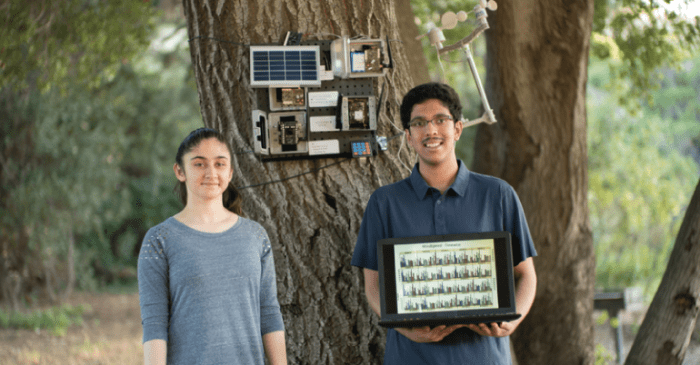
Defining clear success metrics is crucial for any social impact project. Without measurable goals, it’s challenging to demonstrate the project’s effectiveness and secure future funding. This phase focuses on outlining how to establish quantifiable benchmarks, track progress, and ultimately, showcase the positive impact of your project. This will allow you to demonstrate a positive return on investment, not just for the project, but for the community and the organization as a whole.Measuring success is not a one-size-fits-all process.
The specific metrics used will vary depending on the project’s goals, target population, and available resources. However, a common thread is the need for clarity, transparency, and a focus on demonstrable outcomes.
Defining Measurable Outcomes
Establishing clear, measurable outcomes is fundamental to evaluating project success. These outcomes should directly address the project’s stated objectives. For instance, a project focused on improving literacy rates might define measurable outcomes such as the number of students who have achieved a specific reading level or the average increase in reading comprehension scores.
Key Metrics for Different Project Types
Different project types will necessitate different metrics. A project focused on environmental sustainability might track the reduction in carbon emissions, the increase in tree cover, or the number of sustainable practices adopted. An education initiative might focus on student test scores, attendance rates, or the reduction in dropout rates. A health-related project might track the number of people treated, the reduction in disease prevalence, or the improvement in health indicators.
Tracking and Reporting Project Progress
Regular tracking and reporting are vital to monitor progress toward achieving project goals. Data collection should be consistent and well-documented. Tools such as spreadsheets, databases, or project management software can help streamline the process. Regular progress reports, ideally in a format that is clear and easy to understand, can be shared with stakeholders. These reports should clearly Artikel the progress made, any challenges encountered, and any adjustments to the project plan.
Importance of Long-Term Monitoring and Evaluation
Long-term monitoring and evaluation provide a more comprehensive picture of the project’s lasting impact. It helps identify unintended consequences, adjust strategies based on emerging needs, and ultimately, contribute to a deeper understanding of the project’s overall effectiveness. This evaluation process allows for continuous improvement and ensures that the project continues to achieve its intended goals.
Success Metrics Table
| Metric Category | Specific Metric | Measurement Method | Example Outcome |
|---|---|---|---|
| Impact on beneficiaries | Number of people served | Direct headcount of beneficiaries | Increased access to clean water for 500 families. |
| Impact on beneficiaries | Improved health indicators | Pre and post-intervention surveys or data from healthcare providers | Reduction in child malnutrition rates by 15%. |
| Financial sustainability | Project cost-effectiveness | Comparing project costs to the value of its impact | $10,000 invested resulted in $25,000 worth of community development. |
| Program effectiveness | Program participation rates | Tracking participation through attendance records | 95% of enrolled students completed the program. |
Closure
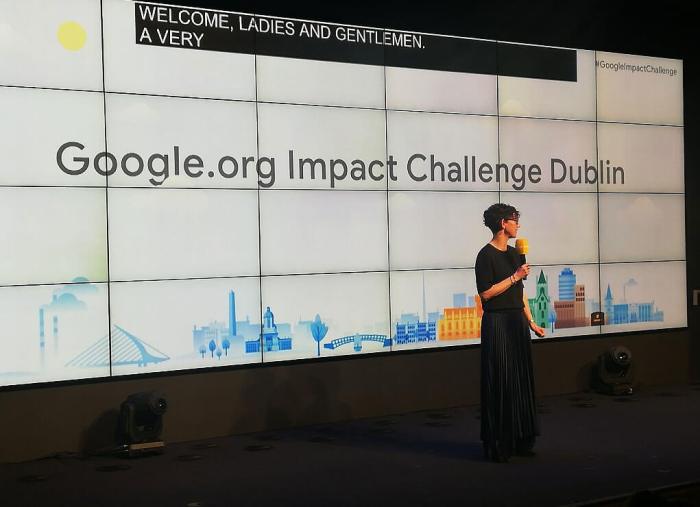
In conclusion, the Google AI Social Good Impact Challenge Global Competition is a significant opportunity to harness AI for social good. By understanding the competition’s structure, past winners, and potential project ideas, aspiring participants can formulate compelling proposals that address real-world challenges. The detailed guide on project feasibility, impact illustration, proposal development, and evaluation metrics empowers participants to effectively navigate the process.
This competition is more than just a contest; it’s a call to action to leverage technology for a positive global impact.