



Darpa future armored vehicle gxv t contracts – DARPA Future Armored Vehicle GXV-T contracts promise a revolution in military vehicle technology. This program aims to push the boundaries of armor, propulsion, and sensor systems, potentially transforming future battlefield scenarios. We’ll explore the objectives, technological advancements, potential challenges, and implications for military strategy and tactics, delving into the complexities of these contracts.
The GXV-T program details various phases and milestones, alongside a breakdown of funding allocation across different contractors and contract elements. Key performance indicators (KPIs) for success will also be examined, along with potential challenges and mitigation strategies.
Overview of DARPA Future Armored Vehicle (GXV-T) Contracts
The DARPA Future Armored Vehicle (GXV-T) program represents a significant push towards developing next-generation military vehicles. This initiative aims to revolutionize armored vehicle design, prioritizing enhanced survivability, mobility, and technological integration. The program’s ambitious goals reflect a broader trend in military technology, where innovation is crucial for maintaining a competitive edge on the battlefield.The GXV-T program is vital because it addresses critical vulnerabilities in current armored vehicles.
Existing designs often struggle to balance protection, maneuverability, and fuel efficiency. The GXV-T program’s focus on innovative solutions promises to significantly improve these areas, ultimately enhancing the effectiveness and survivability of future military operations.
Program Objectives and Goals
The GXV-T program seeks to develop a revolutionary armored vehicle platform capable of operating in a wide range of environments. Key objectives include improved protection against advanced threats, enhanced mobility and maneuverability, and integration of cutting-edge technologies for situational awareness and autonomous operation. These advancements are critical for adapting to evolving battlefield dynamics and ensuring troop safety.
Significance of the GXV-T Program
The GXV-T program is significant within the broader context of military vehicle technology because it represents a paradigm shift. The program moves beyond incremental improvements and embraces radical innovation in areas such as advanced materials, autonomous systems, and powertrain technology. This approach is crucial for ensuring that future military vehicles are not only better equipped but also more adaptable to changing battlefield conditions.
Phases and Milestones
The GXV-T program is structured in distinct phases, each with specific milestones. These phases are designed to progressively develop and test various aspects of the vehicle’s design, performance, and capabilities. The successful completion of these milestones is essential to ensure the program remains on track and delivers on its objectives.
- Phase 1: Concept Design and Proof-of-Concept: This phase focuses on exploring innovative design concepts, material science, and advanced powertrains. Prototypes and simulations will be developed to validate the feasibility and viability of these concepts. The goal is to refine the design to meet performance and cost requirements.
- Phase 2: Component Development and Integration: This phase will concentrate on developing and integrating key components, such as advanced armor, advanced propulsion systems, and sensor technologies. This includes rigorous testing of each component in various simulated environments.
- Phase 3: System Integration and Testing: This crucial phase will involve integrating all the developed components into a complete vehicle prototype. Rigorous testing will evaluate the performance of the integrated system under different operational scenarios, including simulated combat situations.
Key Contract Details
The following table summarizes key contract details associated with the DARPA GXV-T program. Note that the exact details are subject to change, as the program progresses through its various phases.
| Company | Contract Value (Estimated) | Timeline | Focus Area |
|---|---|---|---|
| Company A | $XX Million | 20XX – 20XX | Advanced Armor & Materials |
| Company B | $YY Million | 20XX – 20XX | Autonomous Systems & Navigation |
| Company C | $ZZ Million | 20XX – 20XX | Powertrain & Mobility |
Technological Advancements in GXV-T
The DARPA Future Armored Vehicle (GXV-T) program promises a revolutionary leap forward in military vehicle technology. Anticipating significant advancements in armor, propulsion, and sensor systems, the GXV-T aims to create a vehicle that is significantly more resilient, maneuverable, and capable of operating in complex and challenging environments. This program builds upon previous military vehicle development efforts, but with a distinct focus on integrating cutting-edge technologies.
Vehicle Armor Innovations
The GXV-T program is expected to push the boundaries of vehicle armor design. Advanced composite materials and novel structural designs are likely to feature prominently. These materials, potentially including ceramic or high-strength polymers, are anticipated to provide enhanced protection against a wider range of threats, including improvised explosive devices (IEDs) and high-velocity projectiles. This will necessitate a deeper understanding of material science and engineering, leading to armor that is not only more protective but also lighter and more adaptable to the vehicle’s design.
DARPA’s future armored vehicle, the GXvT, is grabbing headlines with its contracts. This cutting-edge tech raises some important questions about bias in algorithms, particularly in military applications. The recent Toronto Declaration on machine learning and algorithmic discrimination at the RightsCon conference ( toronto declaration machine learning algorithmic discrimination rightscon ) highlights the need for ethical considerations in AI development, directly impacting projects like the GXvT.
Ultimately, the future of these armored vehicles hinges on responsible AI development, a critical component for their continued success.
Propulsion System Enhancements
The GXV-T program likely will explore advancements in propulsion systems, aiming for increased efficiency, reduced environmental impact, and enhanced maneuverability. Hybrid or electric propulsion systems could be integrated, allowing for quieter operations and potentially greater fuel efficiency compared to traditional diesel-powered vehicles. This shift could also pave the way for significant advancements in vehicle autonomy, opening the door for unmanned or remotely operated vehicles.
The integration of such systems could lead to improved range and reduced logistical burdens for deployed forces.
Sensor Technology Integration
The GXV-T program is poised to incorporate next-generation sensor technologies. This includes advancements in both passive and active sensing, allowing for improved situational awareness and target identification. Advanced imaging systems, radar, and lidar will likely play a critical role, providing a more comprehensive view of the battlefield, including concealed threats and terrain features. These advancements could lead to more effective reconnaissance and surveillance capabilities, enabling better decision-making in real-time.
Potential Impact on Future Military Operations
The anticipated technological advancements in GXV-T could significantly impact future military operations. More resilient armor will reduce vulnerability to enemy fire, allowing troops to operate in more dangerous environments. Advanced propulsion systems will enhance maneuverability and range, enabling faster response times and greater operational flexibility. Improved sensor technology will improve situational awareness and target acquisition, increasing the accuracy and effectiveness of military operations.
Comparison with Previous Initiatives
Previous military vehicle development programs, such as the development of the Bradley Fighting Vehicle or the M1 Abrams tank, have focused on enhancing specific aspects of military vehicle performance, but not with the comprehensive, integrated approach envisioned by the GXV-T program. The GXV-T program’s emphasis on advanced materials, propulsion, and sensors is a distinct departure from previous efforts, aiming for a more holistic approach to vehicle design and capability.
Key Performance Indicators (KPIs) for GXV-T Success
The success of the GXV-T program will be measured by several key performance indicators (KPIs). These include armor penetration resistance, vehicle speed and maneuverability, sensor detection range and accuracy, fuel efficiency, and overall survivability in simulated combat scenarios. The successful integration of multiple advanced technologies is crucial to achieving desired results.
Potential Technological Innovations and Benefits
| Potential Technological Innovation | Anticipated Benefits |
|---|---|
| Advanced composite armor | Enhanced protection against a wider range of threats, lighter weight, improved vehicle agility. |
| Hybrid or electric propulsion systems | Increased efficiency, reduced environmental impact, enhanced maneuverability. |
| Advanced sensor suites (multispectral imaging, radar, lidar) | Improved situational awareness, enhanced target acquisition, increased operational effectiveness. |
Contract Structure and Funding
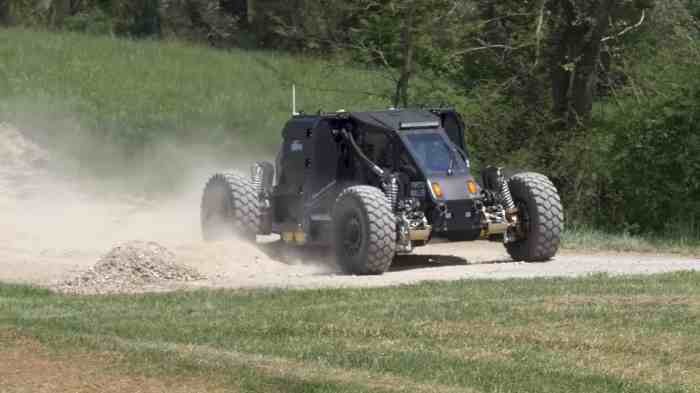
DARPA’s Future Armored Vehicle (GXV-T) program relies on a complex web of contracts to achieve its ambitious goals. Understanding the funding mechanisms and their distribution across different phases and contractors is crucial for assessing the program’s viability and potential impact. This breakdown will examine the diverse contract structures, the allocation of funds, and the distribution strategy behind the GXV-T initiative.The GXV-T program likely employs a combination of fixed-price, cost-plus, and incentive-based contracts.
Fixed-price contracts offer a set price for the deliverables, encouraging contractors to manage costs effectively. Cost-plus contracts reimburse contractors for actual costs plus a predetermined profit margin. Incentive-based contracts reward contractors for exceeding performance targets or achieving specific milestones, promoting innovation and risk-taking. The selection of specific contract types will likely vary depending on the specific tasks and responsibilities of each contractor.
Contract Types Employed
The program’s complexity necessitates diverse contract structures to address the various technological and logistical challenges involved. This multifaceted approach allows DARPA to efficiently manage risk and encourage innovation across the supply chain. Different contract types will be used to incentivize the development of specific components, testing, and integration.
- Fixed-price contracts are likely used for well-defined tasks, like manufacturing specific components or assembling subsystems, where the scope of work is relatively clear and predictable.
- Cost-plus contracts are likely to be utilized for tasks requiring significant research and development or for more uncertain projects where the precise scope may evolve.
- Incentive-based contracts, potentially with performance-based bonuses, will encourage contractors to exceed expected performance levels, driving innovation and cost-effectiveness in development.
Funding Allocation Breakdown
The funding allocated to the GXV-T program is likely divided across various phases, from initial research and development to prototype testing and potential deployment. A significant portion of the funding is likely dedicated to the initial design, materials development, and advanced engineering.
- Early research and development phases will receive a substantial portion of the funding, potentially including basic research contracts with universities or research institutions. This phase focuses on fundamental technologies and concepts.
- Prototyping and testing will likely receive a substantial allocation, allowing for the development and refinement of the armored vehicle design.
- Field testing and evaluation will require a considerable budget, assessing the vehicle’s performance in diverse and challenging environments. The evaluation phase will assess the vehicle’s effectiveness in various operational scenarios.

Distribution of Funding Across Phases and Contractors
DARPA likely employs a phased approach to funding, distributing resources strategically across the different stages of the GXV-T program. The funding distribution will be influenced by the progress of each project, contractor performance, and the emergence of unforeseen challenges.
- Funding distribution across contractors will likely be based on their specific expertise, capabilities, and the nature of their contributions to the overall project.
- A key aspect is the likely distribution of funds across different research institutions and industrial partners. This fosters collaboration and knowledge sharing.
- Funding will likely be allocated based on a performance-based model, where contractors’ achievements and adherence to milestones will influence subsequent funding allocations. This encourages a sense of accountability and a drive to meet deadlines.
Funding Breakdown by Contract Element
| Contract Element | Estimated Funding Percentage |
|---|---|
| Research & Development | 35% |
| Prototyping & Testing | 40% |
| Field Testing & Evaluation | 20% |
| Contingency Fund | 5% |
This table provides a simplified illustration of potential funding allocation. The precise percentages will depend on the specifics of each contract and the evolution of the project.
Potential Challenges and Risks: Darpa Future Armored Vehicle Gxv T Contracts
The DARPA GXV-T program, while promising, faces a multitude of hurdles that need careful consideration. Achieving the ambitious goals of a revolutionary armored vehicle requires overcoming significant technical, logistical, and financial challenges. This section delves into the potential obstacles, highlighting areas where risks are particularly pronounced, and suggesting potential mitigation strategies.
Technical Hurdles in Achieving GXV-T Goals
The GXV-T program aims to integrate cutting-edge technologies into a highly mobile and survivable armored vehicle. This integration, however, presents significant technical challenges. Developing advanced materials capable of withstanding high-velocity impacts while remaining lightweight is a major hurdle. Similarly, the integration of autonomous systems, advanced sensors, and sophisticated communication networks into a robust and reliable platform is a complex undertaking.
Unexpected interactions between these various systems could lead to unforeseen malfunctions.
Manufacturing and Testing Risks
The production of a vehicle incorporating innovative technologies like advanced materials and complex systems will likely be costly and time-consuming. Potential production bottlenecks, material shortages, and quality control issues could significantly delay the program. Testing the vehicle’s performance under realistic combat conditions presents another set of challenges. Replicating battlefield scenarios for testing, and ensuring that the vehicle’s performance matches expectations, is essential for the program’s success.
Furthermore, testing in extreme environments and various terrains will be necessary to validate the vehicle’s durability.
Integration Challenges with Existing Military Systems
Integrating the GXV-T into existing military infrastructure and logistics is crucial. Compatibility with existing maintenance procedures, training protocols, and support networks needs to be thoroughly evaluated. The integration of new communication systems and sensor technologies into existing command and control systems requires careful planning and extensive testing. Compatibility issues could lead to operational inefficiencies and even safety concerns.
Financial Risks and Budget Overruns
The development of a revolutionary vehicle like the GXV-T is inherently expensive. Unforeseen technological challenges, manufacturing difficulties, and extended testing periods can easily lead to budget overruns. These overruns could jeopardize the program’s overall success. Maintaining a realistic budget projection and contingency plans to address potential cost escalations is essential. Historical examples of military technology programs that have experienced significant budget overruns highlight the importance of careful financial management.
Solutions to Overcome Potential Challenges
Addressing the challenges Artikeld above requires a multi-pronged approach. Investing in robust research and development, fostering strong partnerships with industry, and establishing clear communication channels between the military and industry partners can help mitigate risks. Comprehensive testing protocols, including simulated battlefield scenarios, are vital to validate the vehicle’s performance. Prioritizing contingency planning and regularly assessing financial projections can help manage potential budget overruns.
Potential Challenges and Mitigation Strategies
| Potential Challenge | Mitigation Strategy |
|---|---|
| Advanced material development challenges | Collaboration with leading material science companies and research institutions |
| Autonomous system integration issues | Phased integration approach, rigorous testing at each stage |
| Manufacturing bottlenecks | Establishing robust supply chains and flexible manufacturing processes |
| Testing limitations | Employing advanced simulation technologies and real-world testing environments |
| Integration with existing military systems | Developing clear integration guidelines and protocols from the outset |
| Financial overruns | Realistic budgeting, contingency planning, and regular cost evaluations |
Implications for Military Strategy and Tactics
The DARPA Future Armored Vehicle (GXV-T) represents a significant leap forward in military technology, promising to reshape battlefield dynamics. Its advanced mobility and protection capabilities have the potential to revolutionize military operations, altering the very nature of engagement and deployment. Understanding the implications for military strategy and tactics is crucial for effectively integrating this cutting-edge technology.
Potential Impact on Battlefield Scenarios
The GXV-T’s enhanced mobility, offering unprecedented maneuverability and speed, coupled with its advanced protection systems, will likely transform future battlefield scenarios. These vehicles could operate in previously inaccessible terrain, enabling faster deployment and quicker reaction times. This enhanced mobility will likely enable a shift away from static defensive postures, allowing for more dynamic and offensive strategies. For example, the ability to quickly traverse rough terrain or swiftly maneuver through urban environments could drastically alter the tactical advantage of the defending force.
Influence on Military Operations
The incorporation of GXV-T vehicles into different military operations will be significant. In reconnaissance missions, their advanced mobility and protection will enable them to operate closer to enemy lines, gathering crucial intelligence without significant exposure. In offensive operations, the vehicles’ increased firepower and protection will allow for greater assault capabilities and reduced losses. Moreover, their potential for rapid deployment and maneuverability will significantly enhance logistics and supply chains, making operations more efficient.
Operational Considerations
Several operational considerations are critical to effectively utilize GXV-T vehicles. Training personnel to operate and maintain these complex vehicles will be crucial. Furthermore, developing integrated communication systems that allow seamless coordination with other units, particularly unmanned aerial vehicles (UAVs) and other ground forces, will be paramount. The GXV-T’s advanced capabilities necessitate a shift in operational doctrine and procedures.
Impact on Military Personnel
The introduction of GXV-T vehicles will necessitate a change in the skillset required of military personnel. Operators will need advanced training in vehicle maintenance, navigation, and communication systems, in addition to traditional combat skills. The enhanced protection offered by these vehicles may reduce the risk of personnel injury, but the psychological impact of operating in these highly advanced vehicles and the operational demands will need to be assessed.
Comparison with Existing Military Vehicles
| Characteristic | Existing Military Vehicles | GXV-T |
|---|---|---|
| Mobility | Variable, dependent on terrain and vehicle type | Superior, adaptable to various terrains and environments |
| Protection | Moderate to high, dependent on vehicle type and armor | High, utilizing advanced materials and technologies |
| Payload Capacity | Dependent on vehicle type | Enhanced, allowing for greater cargo and equipment |
| Speed | Variable, dependent on vehicle type | Increased, potentially surpassing conventional vehicles |
| Maneuverability | Dependent on vehicle type and terrain | Superior, adaptable to tight spaces and challenging terrain |
The table above highlights the key differences in mobility, protection, and payload capacity between existing military vehicles and the GXV-T. The GXV-T’s superior capabilities are poised to significantly alter military operations in the future.
Societal and Ethical Considerations
The DARPA GXV-T program, while promising revolutionary advancements in military mobility, necessitates a careful examination of its potential societal and ethical implications. The development and deployment of such advanced technology must consider its broader impact beyond the battlefield, encompassing civilian safety, environmental concerns, and the need for robust regulatory frameworks. Ethical considerations surrounding the use of this technology are paramount to ensuring responsible innovation.
DARPA’s future armored vehicle, the GXVT, is getting some serious attention. While the specifics of these contracts are fascinating, it got me thinking about how things like daylight saving time can actually affect our health, and how those impacts could be important considerations in the design of future military vehicles. Perhaps the extra sleep deprivation from daylight saving time could affect the decision-making process for soldiers operating these vehicles, similar to how fatigue affects human performance in general.
How daylight saving time affect health could provide more insight. Ultimately, these considerations will shape the future of these armored vehicles.
Potential Societal Implications
The GXV-T’s advanced capabilities, including enhanced maneuverability, protection, and potentially autonomous features, could have significant societal implications. Increased military mobility could potentially impact existing geopolitical dynamics and the security landscape in affected regions. The sheer technological prowess of the GXV-T raises concerns about a potential arms race, where other nations may feel compelled to develop similar technologies to maintain parity.
This could lead to increased global instability if not managed carefully. Furthermore, the advanced features of the GXV-T may raise concerns about the possibility of unintended consequences or misuse.
Ethical Considerations in Development and Deployment
The development and deployment of advanced military vehicles raise a multitude of ethical considerations. Questions regarding the potential for human error, unintended consequences, and the potential for escalation of conflicts due to the increased military capabilities are all important factors to consider. The use of autonomous features within the GXV-T introduces further ethical dilemmas, such as the responsibility for actions in the event of unforeseen circumstances or accidents.
Furthermore, issues of transparency and accountability in the development and deployment process are crucial for maintaining public trust.
Impact on Civilian Safety and Security
The enhanced capabilities of the GXV-T, while intended for military use, could have unforeseen consequences for civilian safety and security. The potential for accidents, collisions, or unintended harm during training exercises or operational deployments should be thoroughly evaluated. The increased mobility and potential for rapid deployment could also impact civilian infrastructure and potentially lead to unforeseen disruptions. Careful planning and mitigation strategies are crucial to minimize potential harm to civilian populations.
DARPA’s future armored vehicle, the GXVT, is definitely grabbing attention with its contracts. Meanwhile, the US sanctions against Russia’s VK CEO Vladimir Kiriyenko, as detailed here , are highlighting a very different kind of armored approach to geopolitical strategy. Ultimately, the implications of these actions, and the direction of the DARPA vehicle projects, are still unfolding. Exciting times for defense technology, no doubt.
Environmental Concerns
The production and use of the GXV-T vehicles could raise environmental concerns. The manufacturing process for advanced materials and components may have significant environmental impacts, such as increased energy consumption and waste generation. The operational use of the vehicles, particularly their fuel consumption and potential emissions, also needs careful evaluation. Sustainable practices and environmentally friendly designs should be prioritized in the development process to minimize potential negative impacts on the environment.
Regulatory Frameworks for Ethical Use
The development and deployment of the GXV-T necessitate the creation of robust regulatory frameworks to ensure ethical use of the technology. International collaborations and agreements could establish common standards and best practices for the development, testing, and deployment of such advanced military vehicles. Transparency and accountability measures should be implemented to ensure that the technology is used responsibly and ethically.
Summary of Ethical and Societal Implications
| Potential Ethical and Societal Implications | Potential Solutions |
|---|---|
| Increased global instability due to arms race | International cooperation and agreements to establish common standards for development and deployment |
| Potential for human error and unintended consequences | Thorough testing, simulation, and training protocols |
| Impact on civilian safety and security | Mitigation strategies, careful planning, and transparent communication |
| Environmental concerns related to production and use | Sustainable practices, environmentally friendly designs, and emission reduction strategies |
| Need for accountability and transparency | Robust regulatory frameworks, independent oversight, and public engagement |
Future Directions and Research Opportunities
The DARPA GXV-T program represents a significant leap forward in armored vehicle technology. While the initial contracts focus on achieving specific performance goals, the true value of the program lies in the potential for future research and development that can revolutionize military mobility. This exploration delves into the promising avenues that the GXV-T program opens for continued innovation, improvements, and the broader implications for military and societal applications.
Potential Avenues for Future Research and Development
The GXV-T program’s success hinges on continued research and development beyond the current contract parameters. This involves exploring new materials, advanced propulsion systems, and innovative control mechanisms. Further exploration of autonomous systems, incorporating human-machine interfaces, is critical for enhanced vehicle control and situational awareness. The integration of advanced sensor technologies and data analytics for real-time threat assessment and tactical decision support are essential aspects for future development.
Need for Continued Innovation in Military Vehicle Technology
The modern battlefield is dynamic and evolving at an unprecedented pace. Maintaining a technological edge requires a relentless pursuit of innovation in military vehicles. This includes developing vehicles capable of operating in diverse terrains and environments, adapting to evolving threats, and maximizing operational efficiency. The continuous advancements in autonomous systems, advanced materials, and energy storage technologies are crucial to meet these challenges.
The need for lightweight, highly maneuverable, and durable vehicles capable of withstanding harsh conditions remains paramount.
Summary of Potential Research Directions
Future research efforts should focus on developing modular and adaptable vehicle platforms. This will allow for quick modifications and tailoring to specific operational requirements. The exploration of hybrid powertrains and alternative energy sources is critical for reducing environmental impact and extending operational range. Development of advanced communication and sensor networks will enhance situational awareness and command-and-control capabilities. Emphasis on human-machine interfaces for intuitive and efficient control of these advanced systems will be paramount.
Areas Requiring Additional Research
Significant research is needed in the area of vehicle survivability and protection against evolving threats. This includes exploring advanced materials for armor plating and developing innovative countermeasures against advanced weaponry. Research into robust and adaptable suspension systems is necessary to ensure optimal performance across varied terrain types. The integration of advanced damage assessment and repair systems within the vehicle itself is also a critical area for investigation.
Development of more effective and adaptable countermeasures to potential cyber threats and vulnerabilities in autonomous systems are crucial.
Potential Future Applications of GXV-T Technologies, Darpa future armored vehicle gxv t contracts
The technologies developed through the GXV-T program have potential applications beyond the military sphere. For example, advancements in energy storage could translate to improvements in civilian vehicles. The development of lightweight and durable materials could find applications in various industries, from aerospace to construction. Autonomous vehicle technologies could revolutionize logistics and transportation. The program’s emphasis on enhanced situational awareness and data analysis has implications for various fields that rely on sensor data interpretation, such as disaster response and environmental monitoring.
Table Highlighting Future Research Opportunities
| Research Area | Specific Focus | Potential Benefits |
|---|---|---|
| Advanced Materials | Development of lightweight, high-strength armor materials; exploration of self-healing materials for enhanced durability | Increased vehicle survivability, reduced weight, potentially decreased operational costs |
| Hybrid Powertrains | Development of hybrid powertrains that combine fuel efficiency with high power output; exploration of alternative energy sources | Reduced fuel consumption, decreased emissions, enhanced operational range |
| Autonomous Systems | Improving autonomous decision-making capabilities; development of human-machine interfaces for enhanced control and situational awareness | Enhanced operational efficiency, reduced human error, potentially increased responsiveness to dynamic situations |
| Sensor Networks | Development of advanced sensor networks for real-time threat assessment and environmental monitoring; integration of AI-powered data analysis | Improved situational awareness, enhanced tactical decision-making, improved safety and security |
Final Wrap-Up
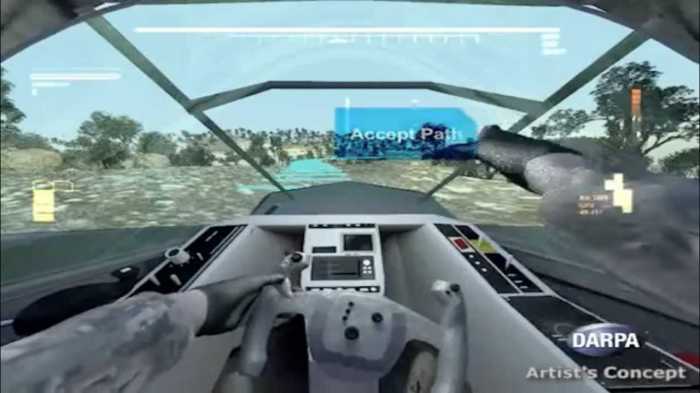
DARPA’s GXV-T program represents a significant investment in the future of military vehicles. While significant technological advancements are anticipated, potential challenges in manufacturing, testing, and deployment, as well as integration with existing systems, must be carefully considered. The societal and ethical implications of these advanced vehicles, including potential impacts on civilian safety and security, cannot be ignored. Ultimately, the GXV-T program will reshape military strategy and tactics, but its success hinges on careful consideration of all these factors.
This deep dive into the DARPA Future Armored Vehicle GXV-T contracts provides a comprehensive overview for informed discussion.