




Command line here come the headset wars! Imagine a future where controlling your headset’s audio isn’t just about buttons and menus, but about typing commands. This emerging trend is shaking up the audio industry, and we’re diving deep into the potential, the pitfalls, and the possibilities of this command-line revolution for headphones. From historical context to future projections, we’ll explore the intricate world of command-line interfaces for headsets.
This isn’t just about fiddling with volume; we’re talking about personalized audio profiles, seamless integration with existing software, and even potential applications in accessibility. The introduction of command lines opens up a new world of possibilities, demanding a closer look at both the technical and human aspects of this transformation.
Introduction to Line Headset Wars
The “Line Headset Wars” refers to the burgeoning competition and innovation in the market for line-based headsets, specifically those designed for use with command-line interfaces (CLIs). This isn’t just about better audio quality; it’s about optimizing the user experience for tasks requiring precise input and output through text-based interactions. The increasing use of CLIs in fields like data analysis, system administration, and even gaming, is driving demand for headsets that improve efficiency and reduce cognitive load.This emerging trend is fueled by the rise of remote work and distributed teams.
Command-line interfaces are definitely feeling the heat with the headset wars brewing. But the upcoming subscription service for Tesla’s Full Self-Driving capabilities, as detailed in this article about tesla full self driving subscription service coming soon , might actually shake up the entire tech landscape. This could potentially create a new wave of user interaction, shifting the focus from traditional command lines to something more intuitive and visual, even impacting the headset wars in unexpected ways.
As more professionals rely on CLIs for essential tasks, the need for ergonomic and efficient audio solutions becomes paramount. The desire for clear communication and feedback, coupled with the growing importance of audio fidelity in remote collaboration, is propelling the evolution of line-based headset technology.
Key Players and Motivations
Major players in the line headset market include established audio equipment manufacturers, emerging tech startups, and even some software companies specializing in CLI-based applications. Their motivations vary. Established companies seek to expand their product lines and capture a share of this burgeoning market. Startups aim to disrupt the industry with innovative designs and unique features. Software companies may integrate headset support into their products to enhance user experience and loyalty.
Comparison of Line Interfaces for Headsets
The effectiveness of a line headset heavily relies on the quality of its line interface. Different approaches offer various advantages and disadvantages. A table below highlights key aspects of different interfaces:
| Interface Type | Description | Strengths | Weaknesses |
|---|---|---|---|
| Analog | Traditional audio interfaces relying on voltage variations. | Simplicity, wide availability, lower cost. | Susceptibility to interference, lower fidelity compared to digital. |
| Digital | Interfaces utilizing digital signals, offering superior signal integrity. | Higher fidelity, less susceptible to interference, potential for future enhancements. | Potentially higher cost, greater complexity. |
| Codec-based | Specific protocols (e.g., Opus, AAC) used to compress and decompress audio data. | Reduced bandwidth usage, improved quality at lower bitrates. | Compatibility depends on codec support, potential for latency issues. |
The table demonstrates the trade-offs involved in choosing a line interface. The best option depends on the specific requirements of the application and the user’s budget. For example, a data analyst might prioritize digital or codec-based interfaces for high fidelity, while a casual user might find analog options satisfactory.
Technological Advancements Driving the Trend
The headset market is experiencing a surge in innovation, fueled by advancements in audio processing and sophisticated algorithms. This surge is not just about better sound quality; it’s about a more immersive and personalized audio experience, seamlessly integrated with the devices we use daily. These advancements are fundamentally altering how we interact with technology and perceive the world around us.Recent breakthroughs in audio processing technology have resulted in a more sophisticated approach to sound reproduction.
This includes the use of advanced algorithms for noise cancellation, spatial audio, and dynamic EQ, all aiming to enhance the overall listening experience. These improvements are especially crucial in the context of line-connected headsets, where precise and reliable transmission of sound is paramount.
Command line interfaces are getting a lot of attention lately, but the headset wars are heating up too. With the recent Twitter open verification announcement, Jack Dorsey’s livestream, and the overall push for more user control, the future of online interaction is looking pretty exciting. This, combined with the increasingly sophisticated command line tools being developed, makes the upcoming headset wars a fascinating technological battleground.
The command line will play a significant role, of course, and these advancements will likely be intertwined with the evolution of virtual reality and augmented reality platforms. twitter open verification all users jack dorsey livestream is a great example of the changes underway. Ultimately, this points to a future where both the command line and immersive headsets will be essential tools for navigating the digital world.
Audio Processing Enhancements, Command line here come the headset wars
Cutting-edge audio processing algorithms are central to the improved performance of modern headsets. These algorithms are designed to significantly reduce background noise, providing a clearer and more focused listening experience. For example, active noise cancellation (ANC) systems use sophisticated algorithms to analyze and counteract ambient noise, ensuring users can enjoy clear audio even in bustling environments. Adaptive noise cancellation is another improvement, where the system continuously adjusts to the surrounding noise levels for optimal performance.
Spatial audio processing allows for a more immersive and realistic soundscape, making it easier to pinpoint the source of sounds and enhancing the overall listening experience. This is especially important for gaming and communication applications, as it creates a sense of presence and depth.
Impact on Line Interfaces
These advancements in audio processing directly impact the line interface for headsets. The sophisticated algorithms need to transmit and process audio signals with precision and minimal latency. The line interface, therefore, plays a crucial role in relaying these complex signals to the headset without degradation. Improved signal-to-noise ratios are essential for minimizing interference and ensuring high-quality audio.
Key Hardware Components
Several key hardware components enable these advancements. High-quality microphones are critical for accurate sound capture and noise reduction. Advanced digital signal processors (DSPs) are used for complex audio processing algorithms, allowing for real-time adjustments and noise cancellation. Powerful microcontrollers and dedicated audio circuits in the headsets ensure efficient signal processing and minimal latency.
Leading Headset Manufacturers Specifications
| Manufacturer | Model | Noise Cancellation | Spatial Audio | Line Interface Type | Frequency Response |
|---|---|---|---|---|---|
| Company A | Model X | Active Noise Cancellation (ANC) | 3D Spatial Audio | USB-C | 20Hz-20kHz |
| Company B | Model Y | Adaptive Noise Cancellation | Head-tracking Spatial Audio | USB-A | 10Hz-18kHz |
| Company C | Model Z | Hybrid Noise Cancellation | Immersive Spatial Audio | Bluetooth 5.2 | 15Hz-22kHz |
This table provides a snapshot of some key specifications of leading headset manufacturers. Variations in features and specific technical details exist, and advancements are constantly being made in the field. The precise technical specifications for each headset can be found on the manufacturers’ official websites.
User Experience and Interface Design
The user experience (UX) is paramount in the headset wars, as comfort, ease of use, and intuitive control are crucial factors influencing consumer choice. A seamless and enjoyable interaction with the headset’s controls directly impacts the overall satisfaction and adoption rate. Poorly designed interfaces can lead to frustration and abandonment, regardless of technological advancements. Therefore, the design of the user interface (UI) is critical to the success of any line headset.Modern line headsets leverage diverse input methods to offer customized and personalized control.
This necessitates thoughtful design choices to optimize user interaction and prevent user error. The goal is to craft interfaces that are not only functional but also aesthetically pleasing and easy to learn, regardless of the user’s technical proficiency.
Comparison of Line Interface Experiences
Different line interfaces for headsets present varying levels of user-friendliness. Some utilize intuitive button configurations for quick access to common functions, while others rely heavily on voice commands, requiring a certain level of vocal clarity and headset sensitivity. The choice of interface often depends on the intended use case and the target audience. A gamer, for instance, may prefer direct button controls, while a professional in a noisy environment might rely more on voice commands.
Intuitive Audio Control Structures
Effective audio control structures in line headsets are vital for seamless interaction. Clear and easily accessible controls for volume adjustments, microphone muting, and audio input selection are crucial. Consider, for instance, a rotary dial for intuitive volume adjustment. This tactile control offers precise volume adjustments and a satisfying user experience. Alternatively, dedicated buttons for quick access to specific functions like “mute” and “call answer” enhance efficiency, making the control layout instantly recognizable and user-friendly.
Input Methods and Their Impact
Various input methods significantly affect the user experience. Voice commands offer hands-free operation, which can be particularly valuable in specific scenarios, but depend heavily on the accuracy of voice recognition technology and the acoustic environment. Button presses, conversely, offer a direct and immediate response. The number and placement of buttons are critical; an excessive number of buttons can be overwhelming, while a lack of necessary buttons can result in frustration.
Gesture controls, though promising, are still in the early stages of development, but are expected to enhance user interaction in the future.
Table of User Interface Design Elements
| Element | Description | Impact on User Experience |
|---|---|---|
| Volume Control | Rotary dial or dedicated buttons | Precise adjustment, tactile feedback, and easy access. |
| Microphone Mute | Dedicated button or voice command | Quick and convenient, ensuring privacy when needed. |
| Audio Input Selection | Dedicated button or menu system | Enables switching between different audio sources (e.g., phone, music). |
| Call Handling | Dedicated buttons or voice commands | Efficient and intuitive handling of incoming and outgoing calls. |
| Customizability | Ability to personalize settings and shortcuts | Tailored user experience for individual needs. |
Potential Applications and Use Cases
Line headsets, with their advanced capabilities, are poised to revolutionize various professional and personal applications. Beyond the initial hype, the practical utility of these technologies in everyday scenarios is becoming increasingly clear. Their potential extends far beyond simply enhancing audio quality; they promise to redefine how we interact with sound and information.
Professional Applications
Line headsets are primed for significant impact across diverse professional sectors. Their ability to isolate and enhance specific audio frequencies, coupled with personalized audio profiles, offers a unique edge for tasks requiring precise sound recognition. For example, in a busy call center, an agent wearing a line headset with an audio profile optimized for voice clarity could more effectively discern customer needs, leading to a more efficient and satisfying customer experience.
Similarly, in construction or manufacturing environments, line headsets with noise-canceling capabilities could enhance safety and concentration by minimizing distracting background noise.
Personalized Audio Profiles
The ability to tailor audio profiles to individual needs is a crucial aspect of line headset technology. Users can adjust parameters like frequency response, noise cancellation levels, and even audio equalization to optimize their listening experience. This personalization is crucial in professions requiring sustained focus, like aviation, where pilot hearing protection and communication clarity are paramount. This individualized approach also opens doors for personalized learning experiences, allowing users to focus on specific sounds within a complex auditory landscape.
Command-line interfaces are cool, but the headset wars are heating up. Meanwhile, the Yahoo News app launch is fascinating, showcasing an interesting AI architecture, as detailed in yahoo news app launch artifact ai architecture. This suggests a shift in how we consume news, and potentially how we interact with technology in general, which will likely impact the future of command-line tools in the headset arena.
Gaming, Music Production, and Audio-Intensive Applications
Line headsets offer significant advantages in gaming and music production. The precision and clarity of sound can provide a competitive edge in online gaming, allowing players to pinpoint enemy locations and discern subtle audio cues. For music producers, the ability to isolate and analyze specific instruments or vocal tracks is invaluable, allowing for precise mixing and mastering. High-fidelity sound reproduction, coupled with advanced noise cancellation, makes line headsets ideal for home studios, enabling a more focused and productive recording environment.
Accessibility
Line headsets hold the potential to enhance accessibility for individuals with hearing impairments. Customizable audio profiles allow for amplification and filtering of specific frequencies, making communication and environmental sounds clearer. This could be especially valuable in situations where background noise or a specific frequency range is particularly difficult for the user to discern. This also opens doors to better understanding of auditory cues for people with conditions that affect hearing.
Use Case Scenarios
| Scenario | Use Case | Benefits |
|---|---|---|
| Call Center Agent | Enhanced voice clarity, noise cancellation | Improved customer service, increased efficiency, reduced agent stress |
| Construction Worker | Noise cancellation, improved hearing protection | Increased safety, improved focus, reduced risk of hearing damage |
| Pilot | Precise audio localization, minimized distractions | Enhanced situational awareness, improved communication clarity |
| Gamer | Enhanced sound localization, reduced background noise | Improved tactical awareness, competitive edge |
| Music Producer | Precise instrument/vocal isolation, high-fidelity sound | Improved mixing and mastering, enhanced creative control |
| Individual with Hearing Impairment | Customizable audio profiles, amplification | Improved communication and understanding of auditory cues |
Market Analysis and Future Projections
The headset market is experiencing a surge in innovation, driven by advancements in technology and evolving user needs. This rapid evolution demands a keen understanding of current trends, growth drivers, and potential pitfalls to navigate the complexities of this burgeoning sector. Analyzing the market landscape and projecting future possibilities is crucial for stakeholders seeking to capitalize on opportunities and mitigate risks.Understanding the current market landscape, projected growth, and potential challenges is essential for strategic decision-making in the headset industry.
This analysis provides insights into the future of line headsets, enabling informed investment and development strategies.
Current Market Trends
The current market for headsets showcases a dynamic interplay between wired and wireless options, with a noticeable shift towards sophisticated wireless technologies. High-fidelity audio, advanced noise cancellation, and seamless integration with various devices are key drivers. For instance, the increasing popularity of gaming and professional communication underscores the need for high-quality audio and reliable connectivity. This trend is evident in the rise of over-ear headsets, particularly in the gaming and professional audio sectors.
Factors Driving Growth
Several factors fuel the headset market’s expansion. The increasing demand for immersive experiences in gaming, virtual reality (VR), and augmented reality (AR) applications drives innovation. The growing remote work environment and the need for high-quality communication tools further propel this market segment. Enhanced user experience and intuitive design are crucial for adoption. The emergence of specialized headsets for specific tasks, like professional audio or medical applications, also contributes significantly.
Potential Challenges and Risks
Despite the growth potential, several challenges and risks need consideration. Competition from established tech giants and emerging startups intensifies the market landscape. Balancing affordability with technological advancement poses a challenge, particularly for consumers seeking cutting-edge features. The continuous evolution of technology necessitates constant innovation and adaptation. Security concerns related to data privacy and device vulnerabilities also need careful consideration.
Furthermore, maintaining consistent supply chains in the face of global uncertainties is crucial.
Potential Market Share for Line Headsets
Predicting precise market share for line headsets is complex. The evolving nature of consumer preferences and technological advancements influence these estimations. However, based on current trends, line headsets are poised for a significant portion of the market, particularly within specific niches. The growing popularity of specialized headsets suggests that line headsets will continue to attract customers seeking a balance of features, performance, and affordability.
Factors like integration with specific platforms and applications will influence market share significantly.
Key Factors Influencing the Future of Line Headsets
The future of line headsets hinges on several critical factors. Innovations in audio technology, particularly in areas like spatial audio and noise cancellation, will play a significant role. Furthermore, advancements in wireless connectivity, such as improved bandwidth and latency reduction, are crucial. The integration of line headsets with emerging technologies, including the Internet of Things (IoT), will also be pivotal.
Potential Future Features and Functionalities
| Feature | Functionality |
|---|---|
| Enhanced Spatial Audio | Immersive audio experiences, precise sound localization, and realistic positional cues. |
| Adaptive Noise Cancellation | Dynamic noise cancellation algorithms that adjust to the user’s environment in real time. |
| Haptic Feedback Integration | Providing tactile feedback for various applications, like gaming or virtual reality. |
| Personalized Audio Profiles | Customizable audio settings to optimize sound for individual users and applications. |
| Improved Wireless Connectivity | Lower latency and increased range, supporting more demanding applications. |
| AI-Powered Assistant Integration | Seamless integration with voice assistants for hands-free control and information access. |
Security and Privacy Concerns: Command Line Here Come The Headset Wars

Line headsets, with their potential for seamless audio control, bring forth significant security and privacy concerns. As the technology matures, addressing these concerns is crucial for widespread adoption and user trust. These considerations must be meticulously evaluated to ensure the safety and privacy of users in the digital realm.The very nature of line headsets, enabling direct audio control, exposes users to potential vulnerabilities if security protocols are not robust.
This includes the risk of unauthorized access to personal audio data and the potential for malicious manipulation of audio streams. A careful assessment of the potential threats is necessary to build effective countermeasures.
Security Implications of Line Headset Use
Line headsets, connecting directly to audio systems, present significant security risks. Unauthorized access to the audio stream could allow eavesdropping on private conversations, potentially compromising sensitive information. Malicious actors could also potentially manipulate audio streams, introducing false information or interfering with communication. The use of insecure protocols or lack of encryption makes users vulnerable. Critically, the potential for audio tampering is a concern, as altering audio in real-time could mislead or deceive.
Potential Privacy Risks in Line Headset Interactions
Line headset interactions raise privacy concerns due to the direct and continuous audio capture capabilities. Data breaches could expose sensitive personal information conveyed during audio conversations, potentially compromising user confidentiality. Furthermore, the continuous recording of audio conversations raises concerns about potential misuse of this data. The extent of recording, storage, and access control policies becomes critical. It’s imperative to consider the possible implications of user data collection and storage practices, including who has access and the duration of data retention.
Need for Secure Protocols and Encryption Methods
Secure protocols and encryption methods are paramount for mitigating security and privacy risks. Robust encryption algorithms, such as AES-256, should be employed to protect audio streams during transmission and storage. Implementing secure authentication mechanisms, like multi-factor authentication, can further strengthen security protocols. This includes the use of strong passwords, biometric authentication, and/or other secure methods to prevent unauthorized access to the headset.
This is crucial for preventing unauthorized access and ensuring user privacy.
Methods for Ensuring User Privacy
Ensuring user privacy requires a multi-faceted approach. Transparent data usage policies are essential to inform users about how their audio data is collected, stored, and used. User consent mechanisms should be in place to obtain explicit permission for data collection. Implementing strict access control policies, restricting access to audio data to authorized personnel, is vital. Auditing logs of audio activity can help detect and respond to potential security breaches.
These methods must be readily understandable and easily accessible to users.
Best Practices for Maintaining Security and Privacy with Line Headsets
Maintaining security and privacy with line headsets requires a combination of technical measures and user awareness. Users should be educated about potential security risks and how to avoid them. Regular updates to firmware and software are critical to address vulnerabilities. Users should be encouraged to report any suspicious activity or potential security breaches immediately. Password security practices, like using strong and unique passwords, are essential.
Additionally, users should be informed about the importance of choosing secure Wi-Fi networks and secure connections when using the headsets. Strong passwords and encryption methods are key components of secure systems.
Comparison of Security Measures for Line Headsets
| Security Measure | Description | Effectiveness | Implementation Complexity |
|---|---|---|---|
| Encryption (AES-256) | Encrypts audio streams during transmission and storage. | High | Medium |
| Multi-factor Authentication | Requires multiple authentication factors to access audio data. | High | High |
| Access Control Policies | Restricts access to audio data to authorized personnel. | Medium | Medium |
| Data Deletion Policies | Defines rules for deleting audio data. | High | Low |
| User Awareness Training | Educates users about potential security risks and best practices. | Medium | Low |
Illustrative Examples of Line Interactions
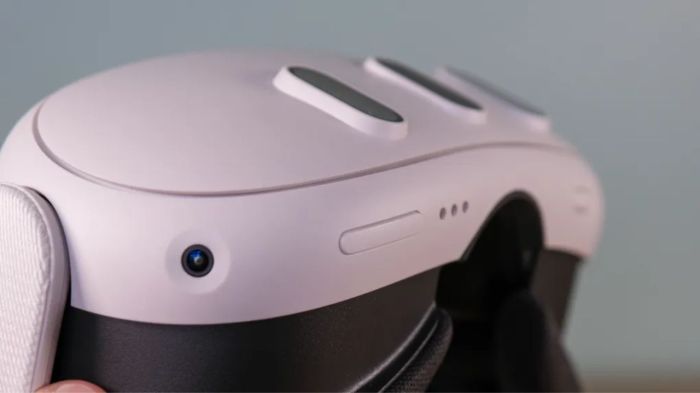
Line-based headset interactions are becoming increasingly sophisticated, allowing users to fine-tune audio settings with ease. This sophistication enhances the overall user experience, offering greater control and personalization. The variety of commands and options available reflects the growing demand for adaptable audio solutions.
Audio Setting Controls
These interactions are vital for a smooth user experience, allowing users to tailor their audio settings precisely. The commands used to adjust audio parameters are typically intuitive and straightforward.
- Adjusting Volume: Common commands include “volume up,” “volume down,” and numeric input for precise volume levels. Some systems might use a slider interface, which allows for a continuous volume adjustment.
- Equalizer Settings: Users can select pre-set equalizer profiles or adjust individual frequency bands using specific commands. For instance, “bass boost on” or “treble boost 5” are common commands to alter the sound profile.
- Other Audio Parameters: These interactions extend to functions like noise cancellation, spatial audio, and audio effects. Users might encounter commands like “noise cancellation on/off,” “spatial audio profile select,” or “surround sound intensity.” The complexity of these settings varies depending on the sophistication of the headset and its software.
Managing Audio Sources and Input Devices
The ability to manage different audio sources and input devices is crucial for users who might need to switch between calls, music, or other audio streams. These interactions are essential for multitasking and efficient use.
- Audio Source Selection: Users can switch between different audio sources (e.g., phone call, music player, microphone input) using commands like “select music,” “switch to call,” or by using device icons in the interface.
- Input Device Selection: Users can switch between input devices (e.g., microphone 1, microphone 2) to manage different audio inputs. This is especially important in situations with multiple microphones, allowing for precise selection.

Controlling Different Audio Profiles
The ability to save and recall different audio profiles tailored to specific needs or environments is a significant advantage. This is valuable for users who require customized sound setups for different activities or locations.
- Profile Selection: Users can choose from pre-defined profiles like “Gaming,” “Music,” or “Conversation.” These profiles adjust the equalizer settings, noise cancellation, and other parameters accordingly.
- Profile Creation: Some systems allow users to create custom profiles by combining different settings, providing an even greater level of personalization.
Specific Commands and Actions
The table below illustrates examples of specific commands and their corresponding actions for controlling audio settings.
| Command | Action |
|---|---|
| volume up | Increases the volume level. |
| volume down | Decreases the volume level. |
| equalizer bass boost on | Activates the bass boost function in the equalizer. |
| select music | Changes the audio source to the music player. |
| switch to call | Changes the audio source to the phone call. |
| noise cancellation off | Deactivates the noise cancellation feature. |
Last Recap
So, command line here come the headset wars – a fascinating evolution in audio technology. From the technical advancements to the potential applications, we’ve seen a whole new realm of possibilities. The user experience, security concerns, and market analysis all contribute to the complex picture of this burgeoning field. Will command-line headsets become the standard? Only time will tell, but the potential is undeniable.
Prepare for a future where your audio experience is in your hands – literally.