

NASA Hi Seas Mars Hawaii Crew Year explores the intricate connection between humanity’s ambition to reach Mars, the unique role of Hawaii in space exploration, and the maritime technologies that underpin these endeavors. This journey delves into the challenges and advancements of a year-long Mars mission, considering the diverse crew, rigorous training, and the vital support systems required for such a pioneering venture.
From the historical missions to the future of space travel, this overview provides a fascinating perspective on the interconnectedness of these fields.
The project meticulously examines the roles of NASA, Hawaiian space research facilities, and maritime technologies in the pursuit of Mars colonization. We’ll investigate the crucial role of Hawaii’s strategic location for space observation and testing, highlighting its observatories and the contributions of its scientific community. This exploration will also cover the significant advancements in maritime technology that parallel and sometimes even inspire the developments in space travel.
NASA’s Mars Missions and Crew
The quest to reach Mars, a celestial neighbor brimming with scientific mysteries, has captivated humanity for decades. NASA’s Mars missions represent a testament to human ingenuity and a continuous push for technological advancement. These endeavors, driven by a profound desire to understand the red planet and its potential for harboring life, have also presented significant challenges, demanding innovative solutions to overcome the immense hurdles of space travel and exploration.
This exploration not only expands our knowledge of the universe but also pushes the boundaries of human capability.NASA’s journey to Mars has evolved over time, with each mission learning from the successes and failures of its predecessors. From robotic probes to crewed expeditions, the agency’s commitment to unraveling the secrets of Mars continues to inspire awe and wonder.
The NASA HiSeas Mars Hawaii crew year is fascinating, but recently, the news about the League of Legends Players Association LCSPA walkout has really grabbed my attention. League of Legends players association LCSPA walkout highlights the dedication and drive for better conditions in professional esports. It’s inspiring to see players pushing for change, much like the innovative spirit behind the NASA HiSeas Mars Hawaii crew year.
Historical Overview of Human-Focused Missions
NASA’s Mars exploration, focusing on human missions, has a rich history, beginning with early conceptualizations and progressing to increasingly sophisticated missions. The goal of a human presence on Mars is a long-term vision, demanding careful planning and substantial technological advancements.
Challenges and Advancements in Human Spaceflight to Mars
The journey to Mars presents numerous challenges, including the long duration of the trip, the harsh Martian environment, and the significant health risks associated with prolonged space travel. Advancements in life support systems, radiation shielding, and spacecraft design are crucial to overcome these obstacles. For example, the development of closed-loop life support systems could drastically reduce the need for resupply missions, minimizing the overall risk of mission failure.
Evolution of Spacecraft Designs and Technologies
The design of spacecraft destined for Mars has continually evolved to meet the specific requirements of long-duration missions. Early spacecraft were primarily focused on delivering probes and conducting surface analysis, while more recent designs are geared towards supporting human exploration and sustaining life for extended periods. This includes advancements in propulsion systems, thermal control, and radiation shielding, allowing for greater payload capacity and enhanced mission longevity.
Furthermore, innovations in navigation and communication technologies are essential for precise navigation and reliable data transmission over vast interstellar distances.
Roles and Responsibilities of a Crew Member in a Mars Mission
A Mars mission crew member will have a multifaceted role, encompassing scientific research, spacecraft maintenance, and life support operations. Each crew member will have specific training and responsibilities, depending on their expertise. For instance, a mission biologist will conduct research on Martian samples and organisms, while a mechanical engineer will ensure the proper functioning of the spacecraft’s life support systems.
These diverse roles are crucial for the success of the mission.
Comparison of Mars Mission Concepts
| Mission Concept | Crew Role | Description |
|---|---|---|
| Sample Return Mission | Collecting and analyzing samples, operating the return spacecraft | Focusing on sample retrieval, returning Martian material to Earth for detailed analysis. |
| Short-Duration Exploration Mission | Limited scientific exploration, focusing on surface reconnaissance and sample collection. | Aimed at short-term investigations of specific Martian sites. |
| Long-Duration Outpost Mission | Establishing a sustainable presence on Mars, conducting research, and maintaining the outpost. | Creating a long-term scientific base on Mars. |
Hawaii’s Role in Space Exploration
Hawaii’s strategic location in the central Pacific Ocean provides unparalleled opportunities for space research and operations. Its proximity to the equator and clear, stable atmosphere make it a prime location for astronomical observations and support for various space missions. The unique environment facilitates advanced research and testing, contributing significantly to NASA’s endeavors in space exploration.Hawaii’s geographic advantages extend beyond its climate and location.
The islands’ vast expanse of undeveloped land and access to remote sites are ideal for establishing ground stations and supporting facilities crucial for space missions. This accessibility translates into a cost-effective approach to establishing necessary infrastructure for various space operations.
Hawaii’s Telescopes and Observatories in Mars Research, Nasa hi seas mars hawaii crew year
Hawaii’s observatories, particularly atop Mauna Kea, play a pivotal role in the study of Mars and other celestial bodies. These observatories house powerful telescopes that collect data on planetary surfaces, atmospheres, and other characteristics. The observations help researchers better understand the evolution of planetary systems, including Mars, and contribute to a deeper comprehension of the universe’s composition and processes.
The consistent and stable atmospheric conditions above Mauna Kea are critical for high-quality astronomical observations. This is why these locations are strategically chosen.
Hawaii’s Scientific Community and NASA Missions
Hawaii’s robust scientific community actively participates in NASA’s space missions. Researchers and scientists from various institutions collaborate with NASA on projects related to Mars exploration, space physics, and astrobiology. Their contributions span from data analysis to instrument development, significantly enriching NASA’s missions. Many scientists from Hawaii have actively contributed to the understanding of Mars’s geology, atmosphere, and potential for past or present life.
Support for NASA Missions: Testing and Training
Hawaii serves as a crucial testing and training ground for NASA’s space missions. The unique environment, including the clear skies and the geographic advantages, makes it an ideal location to conduct tests and simulations. For example, Hawaii’s proximity to the Pacific Ocean allows for testing of space vehicles’ performance and stability in simulated flight conditions. The testing and training facilities in Hawaii are vital to ensuring the safety and success of NASA’s missions.
These capabilities are also used for developing new technologies, including those necessary for future Mars missions.
Facilities and Research Institutions in Hawaii
| Facility/Institution | Focus/Specialization |
|---|---|
| Mauna Kea Observatories | Astronomy, particularly Mars research, planetary science, and astrophysics |
| University of Hawaiʻi at Mānoa | Various research projects in planetary science, astrophysics, and related fields. Offers strong collaborations with NASA. |
| NASA’s Jet Propulsion Laboratory (JPL) | Advanced research and development, including projects related to Mars exploration. Has significant involvement in Hawaii’s space initiatives. |
| Other local institutions | Many other institutions in Hawaii support space research, including specialized observatories and research centers. These institutions contribute to the overall scientific endeavors related to space exploration. |
High Seas and Space Exploration
The vastness of the ocean and the cosmos, though seemingly disparate, share surprising similarities in the challenges and rewards of exploration. Maritime exploration has been a cornerstone of human progress, driving technological innovation and pushing the boundaries of human understanding. Similarly, space exploration demands pioneering technologies and relentless determination to unravel the mysteries of the universe. This interconnectedness is evident in the shared history of both endeavors, where nautical advancements have paved the way for advancements in space.Maritime exploration has always relied on sophisticated tools and techniques.
The development of advanced navigation systems, robust ship designs, and sophisticated communication methods has been crucial to charting the globe. These very innovations have found their echoes in the technologies used for space exploration.
Relationship Between Maritime and Space Exploration
Maritime and space exploration are intrinsically linked through the transfer of technological know-how. Early navigation tools, such as the astrolabe and sextant, relied on astronomical observations. These concepts have direct parallels in the development of space navigation systems, where celestial bodies are used to calculate position and trajectory. Likewise, the need for accurate maps and charts in the maritime world has driven advancements in cartography, which has mirrored the demand for detailed models of space and celestial bodies.
Ships as Launchpads and Support Vessels
Ships have played a significant role in supporting space missions, serving as platforms for launching spacecraft and as mobile bases for crucial operations. In the early days of space exploration, ships served as launching pads for early rockets and as command centers for tracking and control. Today, ships provide vital logistical support for space missions, facilitating the transportation of personnel and equipment to remote launch sites and acting as communication hubs during missions.
The US Navy, for example, uses specialized vessels for launching rockets and providing essential logistical support. This symbiotic relationship between sea and space is crucial for the success of large-scale space projects.
Nautical Technologies and Their Space Applications
The development of nautical technologies has directly influenced the development of space technologies. Advanced materials and construction techniques, originally developed for shipbuilding, are now applied in the construction of spacecraft and their components. For example, the understanding of hydrodynamics has helped in designing spacecraft to navigate and maneuver through the complex atmospheres of other planets.
Challenges and Opportunities
Both maritime and space exploration face significant challenges. The high seas present perils like storms, unpredictable currents, and vast distances. Space exploration faces the obstacles of extreme temperatures, vacuum conditions, radiation, and the enormous distances between celestial bodies. Despite these challenges, both fields offer immense opportunities for scientific discovery, technological advancement, and the expansion of human knowledge.
NASA’s HI-SEAS Mars Hawaii crew for the year offers fascinating insights into potential future space missions. It’s quite inspiring to see how simulated Martian life can inform our exploration, and consider the parallel efforts of organizations like Japan’s ispace, with their lunar lander moon mission. japan ispace lunar lander moon mission highlights the global push towards lunar exploration.
Ultimately, these projects help us learn more about space travel and preparation for long-duration missions, like those planned for the future of the HI-SEAS program.
The vastness of the ocean mirrors the vastness of space, both calling for innovation and resilience.
Technological Advancements Shared
| Maritime Technology | Space Application |
|---|---|
| Advanced Materials (e.g., composites) | Spacecraft construction, lightweight components |
| Navigation Systems (e.g., GPS) | Precise spacecraft guidance, tracking |
| Communication Systems (e.g., satellite communication) | Long-range communication with spacecraft |
| Robotics (e.g., remotely operated vehicles) | Robotic exploration of space |
| Hydrodynamics | Spacecraft design, maneuvering |
Crew Composition and Selection: Nasa Hi Seas Mars Hawaii Crew Year
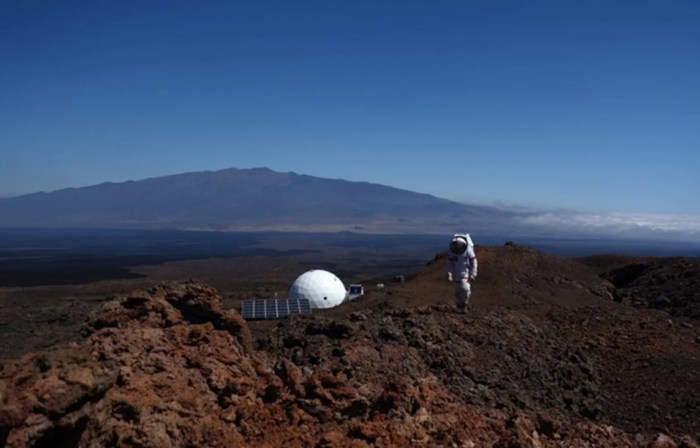
The journey to Mars demands a robust and adaptable crew. A carefully selected team, encompassing diverse backgrounds and expertise, will be crucial for the success of this ambitious undertaking. This team will not only navigate the technical challenges of interplanetary travel but also the psychological demands of a prolonged isolation. A strong sense of camaraderie and shared purpose will be essential for maintaining morale and productivity.The selection process for astronauts on long-duration space missions must be rigorous.
It must assess not only technical skills but also the psychological resilience and adaptability necessary to thrive in the harsh conditions of space. The criteria must include a thorough evaluation of physical and mental health, as well as leadership and teamwork abilities. The successful candidate will be a well-rounded individual with a strong commitment to the mission.
Hypothetical Mars Crew Composition
A hypothetical Mars crew will feature individuals with varied backgrounds, fostering a diverse and complementary skill set. This includes engineers, scientists, pilots, medics, and mission specialists. This multifaceted approach ensures the team can tackle unexpected issues and adapt to unforeseen circumstances.For example, an engineer might specialize in robotics, enabling them to maintain and repair equipment in the Martian environment.
A geologist could contribute invaluable insights into the planet’s geology, helping to identify potential resources. A medical specialist could offer critical support during any medical emergencies. This diverse skill set is critical to a successful mission.
Astronaut Selection Criteria
The selection criteria for astronauts on long-duration missions are stringent and multi-faceted. These criteria focus on physical and psychological fitness, technical proficiency, and adaptability to extreme conditions. Rigorous medical evaluations are crucial to ensure the astronauts are physically capable of withstanding the rigors of space travel and the Martian environment.Psychological evaluations are also integral to the selection process.
Astronauts must exhibit resilience, problem-solving abilities, and the capacity to work effectively under pressure in a confined environment with a small team. Furthermore, the selection process assesses leadership qualities, teamwork skills, and adaptability to handle complex situations.
Training Procedures for a Mars Crew
Comprehensive training programs are vital for preparing astronauts for the physical and psychological demands of a Mars mission. These programs should focus on both the technical skills required for operating spacecraft and equipment, and the psychological resilience needed for the challenges of isolation and stress.Physical training includes simulating the effects of microgravity, cardiovascular conditioning, and specialized exercises to maintain muscle strength and bone density.
Psychological training encompasses stress management techniques, conflict resolution strategies, and team-building exercises. Realistic simulations of Martian environments and procedures are integral to the training process.
Daily Routine and Responsibilities
The daily routine of a Mars crew will be highly structured, prioritizing both scientific research and mission maintenance. The crew will perform regular maintenance checks on spacecraft systems, conduct experiments, and gather data about the Martian environment. Their responsibilities will encompass scientific research, spacecraft operations, and maintaining a habitable environment for the duration of the mission. The schedule must allow for sufficient rest and recovery, as well as opportunities for personal time.The daily routine will also include periods of physical exercise and mental stimulation to combat the psychological challenges of isolation.
Astronauts will engage in activities to maintain their well-being and to foster a sense of community. This routine ensures that the team is prepared both physically and mentally to handle the demands of a Mars mission.
Skills and Qualifications Table
| Skill Category | Specific Skill | Description |
|---|---|---|
| Scientific Expertise | Geology | Understanding of Martian geological formations and processes. |
| Scientific Expertise | Biology | Understanding of life support systems and potential for microbial life. |
| Technical Proficiency | Robotics | Operating and maintaining robotic systems for exploration and sample collection. |
| Technical Proficiency | Spacecraft Systems | Maintaining and troubleshooting spacecraft systems. |
| Technical Proficiency | Life Support | Maintaining a habitable environment for the crew. |
| Psychological Resilience | Stress Management | Techniques for coping with stress and pressure. |
| Psychological Resilience | Problem Solving | Analytical approach to tackling challenges. |
| Teamwork | Conflict Resolution | Methods for resolving conflicts within the crew. |
Year-Long Missions
Embarking on a year-long mission to Mars presents unprecedented challenges, demanding meticulous planning and preparation across all facets of human endeavor. From the intricate design of life support systems to the psychological resilience of the crew, every aspect must be carefully considered to ensure mission success. The sheer duration of the journey and the isolation of space present unique difficulties that require innovative solutions.
Key Challenges of Year-Long Space Missions
Year-long space missions present a complex array of challenges. The extended duration of the mission strains physical and mental resources, demanding rigorous preparation and adaptability. Maintaining a safe and productive environment in the confined space of a spacecraft is critical. This includes addressing potential conflicts, maintaining morale, and mitigating the psychological effects of isolation. The mission’s technological demands, from the reliability of life support systems to the performance of scientific instruments, are magnified by the extended time frame.
Furthermore, the inherent risks of space travel, such as equipment malfunctions, radiation exposure, and unexpected emergencies, become more pronounced.
Importance of Life Support Systems
Life support systems are paramount for extended stays in space. They are crucial for providing breathable air, regulating temperature, and managing waste. The complexity of these systems increases dramatically for a year-long mission, demanding sophisticated redundancy and contingency measures. For instance, a malfunction in a crucial component can have far-reaching consequences, highlighting the importance of robust backup systems and comprehensive training for crew members to handle potential failures.
NASA’s HiSeas Mars Hawaii crew year is fascinating, but recent security breaches like the one involving Google Android TV, Gmail, and email hacks, exposed through the browser google android tv gmail email hack browser expose , highlight the need for robust cybersecurity measures. While space exploration is crucial, protecting our digital lives is equally important. Hopefully, these recent issues won’t deter NASA’s important HiSeas Mars Hawaii crew year efforts.
Efficient waste management, water recycling, and food production are critical to maintaining a sustainable environment. These systems are not merely tools but essential elements for human survival and productivity in the harsh conditions of space.
Psychological and Physiological Effects on Crew Members
The prolonged isolation and confinement of a year-long space mission can have profound psychological and physiological effects on crew members. The absence of familiar surroundings and social interaction can lead to stress, anxiety, and even depression. These effects can be compounded by the physical demands of the mission, including the effects of microgravity and radiation exposure. Detailed psychological assessments and rigorous training programs are essential to prepare astronauts for these challenges.
Effective communication strategies and psychological support systems are critical to maintaining crew morale and mental well-being. Furthermore, the long-term effects of space travel on the human body, such as bone density loss and cardiovascular changes, must be considered.
Maintaining a Healthy Crew Environment
Creating a healthy crew environment is essential for a successful year-long mission. This includes fostering a culture of cooperation, communication, and mutual respect among the crew members. Establishing clear protocols and procedures for conflict resolution and stress management is crucial. Regular physical activity, healthy nutrition, and opportunities for relaxation and recreation are important to maintain physical and mental well-being.
Moreover, the design of the spacecraft interior should prioritize crew comfort and minimize the potential for conflicts. This necessitates a thoughtful consideration of the social dynamics of the crew and the design of the spacecraft to foster a positive and productive atmosphere.
Planning and Preparation for a Year-Long Mars Mission
Planning and preparation for a year-long Mars mission require meticulous detail. This includes comprehensive contingency plans for various potential scenarios, from equipment malfunctions to medical emergencies. Thorough simulations and mock missions are essential to identify and address potential problems before launch. Developing comprehensive training programs for the crew is also crucial, covering various aspects, from scientific procedures to emergency protocols.
A clear understanding of the mission’s objectives and the scientific goals of the mission is essential. Furthermore, extensive research and development into new technologies and procedures are vital to mitigate risks and ensure mission success.
Interactions Between the Elements
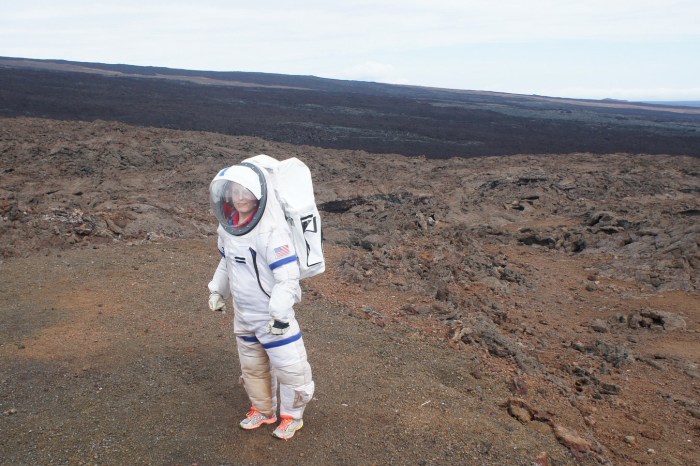
The interconnectedness of NASA’s Mars missions, Hawaii’s role in space exploration, and high seas exploration is profound. Each field, while distinct, benefits from the technologies, expertise, and lessons learned from the others. This synergy fosters innovation and accelerates progress across these seemingly disparate domains. Understanding these relationships is crucial for maximizing the potential of each endeavor.The exploration of Mars, the vastness of the high seas, and the strategic location of Hawaii are not isolated endeavors.
They share common ground in the development of cutting-edge technologies, the necessity for meticulous planning, and the courage to push the boundaries of human knowledge. The transfer of knowledge and techniques across these fields, though often subtle, is critical to their success.
Interconnected Technological Advancements
The development of advanced navigation systems for spacecraft traversing the Martian atmosphere parallels the intricate systems used for precise ship positioning in challenging ocean currents. Similar challenges in environmental monitoring and adaptation to extreme conditions, whether on the red planet or in the deep ocean, necessitate the creation and refinement of robust sensors and data analysis techniques. These developments in one field often find applications in the other.
Shared Resource Management
The efficient allocation of resources is paramount in all three domains. Mars missions require meticulous planning for the precise delivery of materials and equipment. Similarly, deep-sea exploration demands effective resource management to support extended missions. The analysis and optimization strategies employed in these contexts can inspire and inform the resource management models used for maintaining Hawaii’s role as a space exploration hub.
Challenges and Opportunities in Exploration
The challenges of exploring Mars, such as extreme temperatures, radiation, and the vast distances, present analogous problems to those encountered in deep-sea exploration. Both necessitate the development of robust and reliable life support systems, efficient communication protocols, and innovative solutions for maintaining human health and well-being in extreme environments. Conversely, the vastness and unpredictable nature of the high seas provide valuable training grounds for developing navigational and communication systems that can be applied to space missions.
The ability to maintain communication over vast distances is a common theme.
Flowchart of Steps and Dependencies
| Step | Description | Dependencies |
|---|---|---|
| 1. Technology Development | Research and development of advanced materials, sensors, and communication systems | Funding, Expertise |
| 2. Hawaii as a Hub | Establishment of facilities and infrastructure for space exploration activities | 1. Technology Development |
| 3. Mars Mission Planning | Design and execution of missions to Mars, including resource utilization | 1. Technology Development, 2. Hawaii as a Hub |
| 4. High Seas Exploration | Advancement of deep-sea exploration techniques, including resource management | 1. Technology Development |
| 5. Knowledge Transfer | Sharing of best practices and lessons learned between domains | 1. Technology Development, 2. Hawaii as a Hub, 3. Mars Mission Planning, 4. High Seas Exploration |
Closing Summary
In conclusion, NASA Hi Seas Mars Hawaii Crew Year paints a compelling picture of the complex and multifaceted nature of space exploration. The interconnectedness of NASA’s Mars missions, Hawaii’s unique position, and the evolution of maritime technology reveals a synergy that is both impressive and inspiring. This analysis underscores the immense challenges and the remarkable opportunities inherent in pushing the boundaries of human exploration, both on Earth and beyond.