



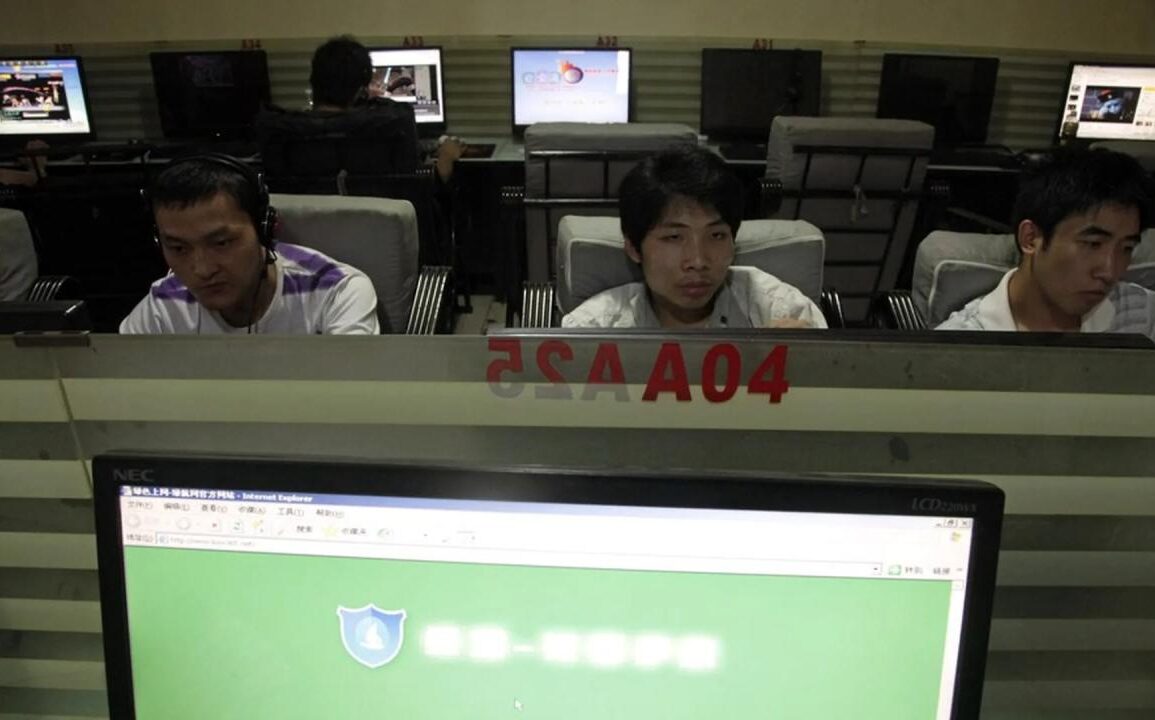
Zoom blocking feature chinese government censorship is a growing concern. China’s history of internet restrictions is well-documented, but the potential for blocking a widely used video conferencing platform like Zoom raises new questions about the reach and impact of digital control. How might this affect communication, collaboration, and even cultural exchange? This exploration dives into the potential implications, from citizen access to information to international relations.
This issue goes beyond simple communication tools. It delves into the nuanced ways governments control online spaces and the challenges individuals and organizations face in maintaining open communication in the face of such restrictions. The evolving relationship between technology and censorship is central to understanding the complexities of this issue.
Historical Context of Internet Censorship in China
China’s internet censorship, a complex and evolving phenomenon, has been a significant aspect of its digital landscape for decades. From initial cautious experimentation to increasingly sophisticated and comprehensive controls, the government’s approach to online content has shaped the nation’s internet experience and its interactions with the global digital community. Understanding this history is crucial to comprehending the present-day internet environment in China.The government’s control over online information reflects a multifaceted approach, balancing economic interests with social stability concerns.
The Chinese government’s blocking of Zoom highlights their ongoing censorship efforts. This is a significant issue, impacting global communication. Interestingly, amidst these digital restrictions, the OxygenOS 10 based Android 10 is rolling out for the OnePlus 7 and 7 Pro, a welcome update for users. This new software release suggests a continued tech evolution, even in the face of government restrictions on communication platforms like Zoom.
This approach, evolving over time, has resulted in a unique digital ecosystem where access to information is carefully curated, impacting everything from public discourse to individual expression.
Early Stages of Internet Regulation
The initial years of internet access in China were characterized by a cautious approach to online content. The government monitored and filtered information, focusing on content deemed politically sensitive or disruptive. This period witnessed the development of early filtering technologies and the establishment of frameworks for online governance. The government’s primary concern was maintaining social stability and preventing the spread of information that could challenge the existing political order.
The Rise of the “Great Firewall”
The 2000s saw a significant expansion of internet censorship in China, leading to the creation of what is often referred to as the “Great Firewall.” This involved the implementation of sophisticated filtering technologies, including content blocking and user monitoring tools. The emphasis shifted from merely monitoring to actively shaping the online environment, aiming to control the flow of information and maintain a preferred narrative.
This period also saw the emergence of more advanced censorship techniques, designed to prevent circumvention and evade user attempts to access blocked content.
Evolution of Censorship Policies
China’s approach to internet censorship has evolved from a largely reactive stance to a proactive and comprehensive strategy. The government has progressively refined its methods, incorporating artificial intelligence and machine learning to identify and block potentially sensitive content. This shift indicates a commitment to maintaining control over the digital sphere and managing the flow of information deemed harmful to national interests.
This development showcases the government’s ongoing adaptation to technological advancements.
Comparison with Other Countries
While other countries implement internet restrictions, China’s scale and scope of censorship are often unparalleled. Some countries employ content filtering for specific reasons, such as protecting children or promoting national security, whereas China’s censorship is more comprehensive, aiming to shape public discourse and control the narrative. The difference lies in the degree of control and the breadth of content covered.
This unique approach reflects China’s specific political and social context.
Key Dates and Censorship Policies in China
| Date | Key Censorship Policy |
|---|---|
| Early 2000s | Implementation of early filtering technologies; monitoring of politically sensitive content. |
| Mid-2000s | Expansion of the “Great Firewall,” incorporating more sophisticated filtering tools and proactive control over the internet environment. |
| Present Day | Proactive and comprehensive approach using AI and machine learning to identify and block sensitive content. |
Zoom’s Role in Communication and its Potential for Circumventing Censorship
Zoom, a ubiquitous video conferencing platform, has become an essential tool for communication worldwide. Its ease of use and accessibility have made it particularly popular in China, where individuals and groups utilize it for both personal and professional interactions. However, this accessibility also raises concerns about potential circumvention of the Chinese government’s stringent internet censorship.The Chinese government’s extensive internet censorship regime restricts access to certain websites, social media platforms, and information deemed sensitive.
This creates a need for alternative communication channels, and video conferencing platforms like Zoom offer a potential avenue for bypassing these restrictions. This potential for circumventing censorship, however, is not without complexities and vulnerabilities.
Zoom’s Use in China
Zoom’s popularity in China stems from its ability to facilitate real-time communication across geographical boundaries, making it a valuable tool for businesses, education, and personal connections. Individuals and groups leverage Zoom for meetings, online classes, and social gatherings, all of which might be otherwise hindered by the limitations imposed by the Great Firewall. This widespread adoption has created a situation where Zoom’s use for circumventing censorship is a real possibility.
Potential for Circumventing Censorship
Zoom’s encrypted video and audio features can potentially be used to share information that might be blocked on other platforms. The encrypted nature of the communication channels could obscure the content from censorship filters, allowing for the discussion of sensitive topics or access to blocked information. Furthermore, the ability to create and join meetings in real time makes it a tool for circumventing potential time-sensitive restrictions on access to certain platforms or content.
Examples of Circumvention
There are documented cases, though not publicly verifiable, where individuals and groups have utilized video conferencing platforms similar to Zoom to circumvent restrictions on information sharing. These examples illustrate how encrypted communication channels can create a pathway for sharing information that would otherwise be blocked. The exact methods employed are often undocumented due to the sensitive nature of the activity and the potential for government intervention.
Zoom’s Vulnerabilities
Despite its widespread use, Zoom’s security is not impenetrable. Potential vulnerabilities include the possibility of government interception or the use of malicious software to gain access to user data or communication content. The Chinese government, with its substantial resources and technical capabilities, could potentially exploit these vulnerabilities to monitor or block communications deemed sensitive or threatening to its control.
Comparison with Other Communication Tools
| Feature | Zoom | Encrypted Messaging Apps (e.g., Signal, Telegram) | VPN Services |
|---|---|---|---|
| Real-time Video/Audio | Yes | No | No |
| File Sharing | Yes | Yes | Yes |
| Group Communication | Yes | Yes | Limited |
| Ease of Use | High | High | Variable |
| Security (Encryption) | Generally Strong | Strong | Strong (if properly configured) |
| Circumvention Potential | High (video and audio) | High (text and files) | High (access to blocked content) |
| Vulnerability to Government Surveillance | Potential | Potential | Potential (dependent on VPN provider) |
This table illustrates the relative strengths and weaknesses of Zoom and alternative communication tools in terms of their potential for circumventing censorship. The choice of platform depends on the specific needs and risks involved.
The Zoom Blocking Feature

The Chinese government’s increasing control over digital communication platforms raises significant concerns about freedom of expression and information access. A potential Zoom blocking feature, if implemented, would represent a further tightening of the digital reins, potentially impacting international relations and economic activities. This action would likely be met with international scrutiny and pushback.
Specific Ways of Utilizing a Zoom Blocking Feature
The Chinese government, in its effort to maintain social stability and control the flow of information, might employ a Zoom blocking feature in several ways. These measures could include outright prohibition of the platform, limiting access through network filtering, or implementing measures to monitor and censor content shared on Zoom. This could involve blocking specific channels, groups, or even individuals deemed a threat to the established order.
Furthermore, they might partner with telecommunications providers to enforce these restrictions. This control extends beyond just Zoom and encompasses other communication platforms deemed potentially problematic.
Impact on Chinese Citizens’ Access to Information and Communication
A Zoom blocking feature would significantly curtail Chinese citizens’ access to information and communication. The platform is widely used for educational purposes, professional networking, and personal communication, all of which would be negatively impacted. Citizens’ ability to engage in cross-border conversations and access information from international sources would be severely restricted. This censorship would limit the ability of citizens to connect with individuals outside of China and would stifle the flow of information and perspectives.
It would also hamper access to international news and educational resources, further isolating Chinese citizens from the global community.
Economic Consequences of the Restriction
The economic implications of a Zoom blocking feature would be substantial. The restriction would impact various sectors, including education, business, and tourism. Companies reliant on virtual communication for remote work or global collaboration would face significant operational challenges. The disruption to international business meetings, virtual conferences, and cross-border transactions would negatively impact China’s global economic standing and its competitiveness.
Furthermore, the restriction would likely discourage foreign investment and business partnerships.
Diplomatic and International Ramifications
The diplomatic and international ramifications of a Zoom blocking feature are considerable. This measure would likely strain China’s relationships with countries that prioritize freedom of expression and information sharing. It would potentially lead to condemnation from international organizations and governments, escalating diplomatic tensions. Furthermore, the move could trigger retaliatory measures from other nations. Such a restriction would be viewed as a significant infringement on digital freedom and a signal of China’s increasing isolation from the global community.
Potential Responses from the International Community
| Response Category | Potential Actions |
|---|---|
| Diplomatic Pressure |
|
| Economic Retaliation |
|
| Technological Countermeasures |
|
The international community’s response to a Zoom blocking feature would likely involve a multi-pronged approach, including diplomatic pressure, economic retaliation, and technological countermeasures. These actions would vary in intensity and nature depending on the severity and scope of the restriction.
Potential Methods for Avoiding the Blocking Feature
The Chinese government’s increasing control over internet access, including the potential blocking of platforms like Zoom, presents significant challenges for individuals and organizations seeking to maintain communication and collaboration. This necessitates the exploration of various methods to circumvent these restrictions, each with its own set of advantages and disadvantages. The potential risks of such circumvention are also significant and must be carefully considered.
Methods for Circumventing Zoom Blocking
Various methods are available to bypass a Zoom blocking feature, often requiring technical expertise and an understanding of the underlying network infrastructure. These techniques range from simple to sophisticated, with varying degrees of effectiveness and risk.
- VPN (Virtual Private Network): VPNs create an encrypted connection between a user’s device and a remote server, masking the user’s IP address and location. By routing traffic through a VPN server located outside of China, users can potentially access blocked services like Zoom. This method is relatively straightforward to implement, though choosing a reliable and trustworthy VPN provider is essential.
The effectiveness of a VPN depends on the strength of the encryption and the VPN provider’s ability to maintain anonymity.
- Proxy Servers: Proxy servers act as intermediaries between a user’s device and the internet. Similar to VPNs, proxy servers can mask the user’s IP address, allowing access to blocked websites. Proxy servers can be less secure than VPNs, and the level of anonymity varies greatly depending on the specific configuration and the proxy provider. Their effectiveness can be limited, especially if the blocking mechanisms are sophisticated.
The Chinese government’s blocking of Zoom highlights their extensive censorship efforts. It’s a stark reminder of the control they exert over information and communication. Interestingly, similar issues arise in the US, like the recent controversy surrounding the Apple union unfair labor practice case in Towson, Maryland, as detailed in this article apple union unfair labor practice towson nlrb.
Ultimately, these actions raise concerns about freedom of expression and the accessibility of tools for communication. The Zoom blocking case, in a way, mirrors this broader struggle.
- Tor Network: The Tor network is a decentralized network of servers that routes internet traffic through multiple layers of encryption. This adds an extra layer of anonymity, making it difficult to trace the user’s origin. It is a robust method but can be slower than other options due to the multi-hop routing nature of the network. Tor is often used for highly sensitive communications requiring maximum anonymity.
The Chinese government’s blocking of Zoom highlights their ongoing censorship efforts. It’s a stark contrast to the innovative use of AI, like in the recent OpenAI Super Bowl ChatGPT commercial, which showcased the potential of the technology. Ultimately, this kind of digital control demonstrates a very different approach to technological advancement compared to the more open development seen elsewhere.
The Zoom restrictions show a deep-seated desire to maintain control over information flow within China.
- Specialized Software and Configurations: Some individuals or organizations may develop or utilize specialized software or configurations to bypass the blocking. This often involves modifying network settings, employing specific protocols, or creating custom solutions tailored to the particular circumstances. These methods require a deeper understanding of network technologies and can be more technically complex, but may provide a highly customized and effective approach.
Examples might include using specific port forwarding techniques or modifying DNS settings.

Social and Cultural Implications of Circumvention
The use of these methods carries significant social and cultural implications. Circumventing censorship can empower individuals to access information and communicate freely, but it also raises concerns about the erosion of trust in the government’s control of information and the potential for abuse. This can create a divide between those who have access to uncensored information and those who do not.
Risks of Circumventing Censorship
Circumventing censorship carries various risks, ranging from technical difficulties to legal repercussions. Individuals and organizations should carefully consider these risks before employing any method of circumvention.
- Technical Failures: VPNs or proxy servers can experience outages, resulting in lost connections or inability to access the service. Software configurations might not always be reliable and could lead to disruptions in access.
- Legal Ramifications: Using methods to circumvent censorship can have severe legal consequences. Violation of the law carries penalties, which could range from fines to imprisonment. The risk level varies depending on the specific method used and the severity of the government’s response.
- Security Concerns: Some methods may compromise the security of personal data or devices. Using untrusted VPNs or proxy servers can expose users to malware or data breaches. This underscores the importance of selecting reputable and secure services.
Pros and Cons of Circumvention Methods
| Method | Pros | Cons |
|---|---|---|
| VPN | Relatively easy to set up; high level of security (with reputable providers); access to a wide range of services | Potential for VPN provider to log user data; cost of subscription |
| Proxy Server | Often free or low cost; potentially faster than VPNs | Lower level of security; potential for unreliable service; limited anonymity |
| Tor Network | High level of anonymity; decentralized network; difficult to track | Significantly slower speeds; less user-friendly |
| Specialized Software | Highly customized; potentially very effective | Requires technical expertise; security concerns with custom solutions; potential for legal issues |
Impact on International Collaboration and Communication
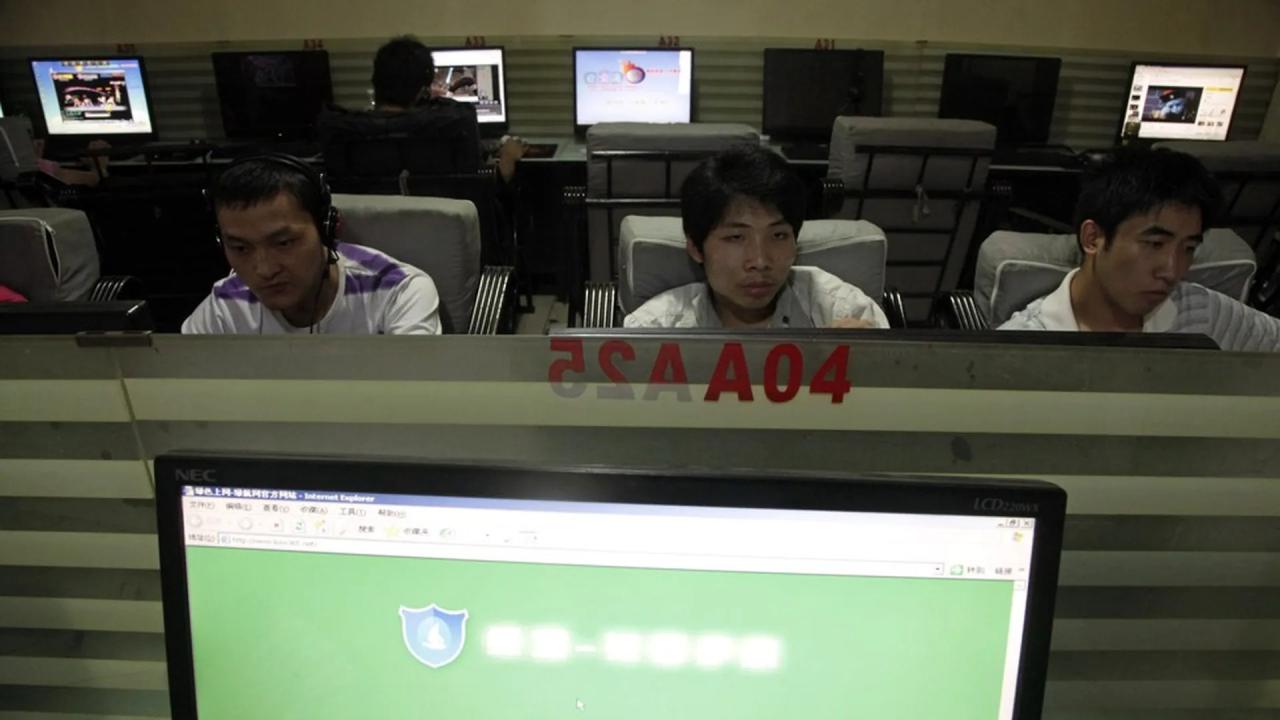
The Chinese government’s potential blocking of Zoom, a widely used platform for international communication, raises significant concerns about the future of global collaboration. This action, if implemented, could severely restrict the flow of information and hinder cooperation across various sectors, from academia to business. The implications extend beyond the technical limitations, potentially impacting the very fabric of international relations and understanding.The Zoom blocking feature, if enacted, will likely have a profound impact on international collaboration and communication.
This isn’t simply a matter of convenience; it cuts to the core of how nations, institutions, and individuals interact on a global scale. The impact will be felt differently across various sectors, from academic research to business dealings and cultural exchange. The very nature of how we connect and learn from each other could be dramatically altered.
Impact on Academic Research
International academic research often relies on real-time communication and collaborative tools. Researchers from different countries often conduct joint studies, share data, and discuss findings through video conferencing platforms. A Zoom block could significantly hamper this process. Researchers may face challenges in conducting virtual meetings, analyzing data, and sharing their findings with the global scientific community. This could lead to a slowdown in progress across many fields, from medicine to astrophysics.
Examples of this include joint research projects on climate change, where timely collaboration and data sharing are critical.
Impact on Business Dealings
International business dealings frequently involve video conferences for negotiations, meetings, and training. A Zoom block could disrupt business operations, hindering deals and collaborations. Companies might lose valuable opportunities and experience delays in project implementation. International companies could also be impacted in their ability to provide remote customer service or conduct training sessions, impacting customer satisfaction and operational efficiency.
For example, a multinational corporation conducting negotiations with a Chinese counterpart would likely be severely hampered by a Zoom ban.
Impact on Cultural Exchange
Cultural exchange programs, often relying on virtual interactions, could be significantly affected. Students from different countries participating in online language courses, cultural workshops, or exchange programs could see their learning experience diminished. Likewise, international artists, musicians, and performers may struggle to showcase their work and connect with audiences in China. For instance, a Chinese artist participating in a virtual art exhibition featuring international artists could be prevented from interacting with the audience due to the Zoom block.
Impact on Different Sectors of Society
The impact of a Zoom block will vary depending on the sector. Academic institutions, particularly those engaged in international research collaborations, will likely experience the greatest disruption. Businesses involved in international trade and collaborations will also be significantly affected. However, individuals participating in cultural exchange programs will also face challenges in maintaining their connections and learning opportunities.
Potential for Alternative Communication Platforms to Emerge
A Zoom block could potentially spur the development and adoption of alternative communication platforms. This could lead to increased competition and innovation in the online communication sector. However, these platforms may not be as widely adopted or feature the same level of security and functionality as Zoom. Alternative platforms will need to be evaluated for their security, reliability, and compatibility with various devices and systems.
International Organizations and Potential Impact
| International Organization | Potential Impact of Zoom Block |
|---|---|
| United Nations | Could hinder communication between UN representatives and delegations, potentially impacting the effectiveness of global initiatives. |
| World Health Organization (WHO) | Could impede global health collaborations, potentially delaying response to pandemics or health crises. |
| UNESCO | Could affect cultural exchange programs and international collaborations in the arts and education. |
| International Monetary Fund (IMF) | Could disrupt financial discussions and negotiations, potentially impacting global economic stability. |
| World Bank | Could hinder development projects and collaborations, affecting international aid and economic development efforts. |
Global Perspectives on Digital Freedom and Censorship
The digital realm, while offering unprecedented connectivity, is increasingly subject to diverse forms of censorship and control. Different nations and regions grapple with balancing freedom of expression with the need for societal order and national security. Understanding these global perspectives is crucial to navigating the complex landscape of internet freedom and the challenges it presents.This exploration delves into the global spectrum of internet freedom and censorship, examining the role of international organizations in promoting digital rights, and comparing the experiences of countries facing similar challenges.
It further highlights initiatives and organizations actively working to protect digital freedom, culminating in a summary of varied approaches to censorship worldwide.
Global Perspectives on Internet Freedom
Diverse viewpoints exist regarding the extent to which governments should regulate online content. Some nations prioritize national security and social stability, leading to stringent censorship measures. Others prioritize individual rights and freedoms, emphasizing the importance of an open internet. These varying perspectives shape the international landscape, influencing the discourse and action surrounding digital freedom.
Role of International Organizations in Advocating for Digital Freedom
International organizations play a pivotal role in advocating for digital freedom. Organizations like the United Nations, through its various human rights mechanisms, and bodies such as the OpenNet Initiative, conduct research and provide platforms for discussion on internet freedom issues. These organizations often document and report on censorship practices, fostering awareness and advocating for policy changes.
Comparison of Experiences with Censorship Challenges
Many countries face similar censorship challenges. For example, China’s stringent internet controls, focusing on national security concerns, have influenced similar policies in other countries with concerns about social stability or political dissent. Russia’s approach to online content, influenced by geopolitical considerations, also reflects a pattern in other regions. However, each country’s unique context and historical trajectory leads to different implementations and justifications for censorship.
Global Initiatives and Organizations Working to Protect Digital Freedom
Numerous organizations and initiatives work to safeguard digital freedom globally. These include the Electronic Frontier Foundation (EFF), the Open Society Foundations, and Reporters Without Borders. They advocate for policies that promote free expression online and support individuals and groups facing censorship. These efforts are vital in promoting transparency and accountability in online content regulation.
- Freedom House: Conducts research and advocacy on freedom of expression, including internet freedom, worldwide.
- Internet Society: Promotes the open development, use, and evolution of the internet.
- Human Rights Watch: Documents human rights abuses globally, including internet censorship and restrictions on free expression.
Table Summarizing Approaches to Internet Censorship, Zoom blocking feature chinese government censorship
This table illustrates the diverse approaches to internet censorship across the globe, highlighting the varied justifications and methods employed.
| Country/Region | Primary Justification for Censorship | Methods Employed | Impact on Digital Freedom |
|---|---|---|---|
| China | National security, social stability | Filtering, blocking, monitoring | Significant restrictions on access to information and expression |
| Russia | Geopolitical considerations, national interests | Content blocking, user restrictions | Diminished online freedom of expression |
| Some European Countries | Combating hate speech, protecting minors | Content moderation, takedown policies | Balance between freedom and societal concerns |
| Some Middle Eastern Countries | Religious values, cultural norms | Content filtering, access restrictions | Limited access to diverse information and opinions |
Final Summary: Zoom Blocking Feature Chinese Government Censorship
In conclusion, the potential Zoom blocking feature represents a significant escalation in China’s internet censorship. It highlights the ongoing tension between technological advancements and government control, impacting everything from everyday communication to international collaborations. The potential for alternative solutions and international responses will be critical in shaping the future of digital freedom in the face of such measures.