

6 reasons why home prices will keep going up and what buyers can do about it lays out the current housing market realities and provides actionable strategies for navigating the challenges. High demand, limited supply, and financial factors all contribute to persistent price increases. This exploration delves into the intricacies of the market, from macroeconomic forces to alternative housing options, and equips buyers with the tools they need to make informed decisions.
The following sections will unpack the driving forces behind rising home prices, from the impact of interest rates and inflation to the role of government policies and buyer motivations. We’ll also discuss alternative housing options and empower buyers with practical steps to succeed in today’s competitive market.
Factors Driving Home Price Increases
The housing market remains a complex and dynamic landscape, with home prices continuing to rise despite economic headwinds. Understanding the multifaceted forces propelling these increases is crucial for both buyers and sellers navigating this environment. This analysis delves into the key drivers behind escalating home values, providing insights into the interplay of macroeconomic factors, construction costs, government policies, and location-specific influences.Home prices are often a reflection of broader economic conditions.
The current environment is characterized by a delicate balance of factors, including interest rates, inflation, and the ever-present interplay of supply and demand. These elements combine to create a complex and often unpredictable market.
Current Macroeconomic Conditions
Current macroeconomic conditions play a significant role in shaping the housing market. Interest rates influence borrowing costs, directly affecting the affordability of mortgages. Higher interest rates tend to curb demand, while lower rates stimulate it. Inflation, another crucial factor, impacts purchasing power. Rising inflation erodes the value of money, potentially leading to increased home prices as individuals seek to maintain their purchasing power.
Supply and demand dynamics are always a crucial element, as a shortage of available homes relative to the demand for them will usually drive prices higher.
Construction Costs and Housing Affordability
Construction costs have a direct impact on housing affordability. Increases in the cost of materials, labor, and land contribute to higher construction costs. These increased costs are then often passed on to homebuyers, potentially making homes less affordable, particularly for first-time buyers or those with limited budgets. The relationship between construction costs and affordability is often characterized by a delicate balance, where rising construction costs can outpace the rate of wage growth or income increases, making homeownership more challenging.
Government Policies and Housing Supply
Government policies significantly influence housing supply. Zoning regulations, building codes, and land-use restrictions can limit the amount of new housing construction. Stringent regulations often create a bottleneck in the housing market, further increasing demand and driving prices upward. Conversely, policies that encourage new construction can increase the housing supply, potentially tempering price increases. Government incentives and subsidies for homebuilding can play a critical role in easing the supply constraints.
Location Factors and Home Value Appreciation
Location plays a pivotal role in home value appreciation. Areas with strong job markets, desirable amenities, and proximity to transportation networks often experience higher home value appreciation. Demand for homes in these locations tends to be higher, leading to greater competition and, subsequently, higher prices. The availability of schools, parks, and other amenities significantly impacts desirability and, therefore, home values.
Summary Table: Factors Driving Home Price Increases
| Factor | Description | Impact on Prices | Potential Mitigation Strategies |
|---|---|---|---|
| Interest Rates | Influence borrowing costs for mortgages. | Higher rates reduce demand, lower rates stimulate demand. | Monetary policy adjustments by central banks. |
| Inflation | Impacts purchasing power. | Rising inflation can lead to increased prices to maintain purchasing power. | Strategies to control inflation, such as monetary policy. |
| Construction Costs | Include materials, labor, and land. | Increased costs lead to higher home prices. | Streamlining permitting processes, reducing regulations, and exploring alternative building materials. |
| Government Policies | Zoning regulations, building codes, and land-use restrictions. | Restrictive policies can limit housing supply, leading to higher prices. | Reforming zoning regulations to encourage construction, reducing unnecessary building codes, and streamlining the permitting process. |
| Location Factors | Job markets, amenities, and transportation networks. | Stronger locations experience higher demand and prices. | Investing in infrastructure, attracting new businesses, and creating amenities in underserved areas. |
Limited Housing Supply: 6 Reasons Why Home Prices Will Keep Going Up And What Buyers Can Do About It
The current housing market is characterized by a persistent shortage of available homes for sale. This limited supply, combined with high demand, fuels the upward pressure on prices. Understanding the root causes of this shortage is crucial for comprehending the market’s trajectory and for potential buyers to navigate the challenges. This section delves into the factors contributing to the scarcity of housing options and explores strategies to potentially mitigate the effects.
Primary Causes of the Housing Supply Shortage
The scarcity of housing stems from a confluence of factors. Slowed construction, regulatory obstacles, and limited available land are major contributors. The market is struggling to keep pace with the growing population and increasing demand. Moreover, existing housing inventory is often insufficient to meet the needs of buyers.
Home prices are predicted to continue rising for a few key reasons, but savvy buyers can still find opportunities. Factors like low inventory and increased demand are major drivers. While Elon Musk’s recent adventures behind the wheel of his Cybertruck, seen in these captivating photos and videos, elon musk driving cybertruck footage photos nobu , are interesting, the real key to navigating the housing market lies in understanding these market forces and proactively seeking out deals.
Understanding the supply and demand dynamic and actively participating in open houses and property viewings are essential steps for those looking to buy.
Impact of Regulatory Hurdles on New Construction
Building new homes is a complex process often fraught with bureaucratic hurdles. Permits, zoning regulations, and environmental concerns can significantly delay or even halt construction projects. These regulations, while intended to protect public interests, can inadvertently create bottlenecks and limit the overall housing supply. For instance, stringent environmental regulations might increase construction costs and decrease the profitability of building new homes, leading developers to opt for less costly or less regulated alternatives.
Existing Housing Inventory and Market Dynamics
The existing housing inventory plays a pivotal role in shaping market dynamics. A low inventory often leads to increased competition among buyers, driving up prices. Buyers are frequently faced with bidding wars and tight timelines. Furthermore, the types of homes available may not always align with the needs or preferences of potential buyers. This creates an uneven market where some segments of the population struggle to find suitable housing.
Role of Urban Sprawl and Land Use Policies in Limiting Housing Availability
Urban sprawl, the outward expansion of urban areas, often leads to the consumption of valuable agricultural land or undeveloped areas. This can reduce the amount of land available for new housing construction. Furthermore, land use policies that prioritize certain types of development over residential construction can restrict the availability of homes. These policies can create a disparity in housing options, making it challenging for certain demographics to secure suitable accommodations.
Regional Housing Supply Situations
| Region | Supply Situation | Contributing Factors | Potential Solutions |
|---|---|---|---|
| San Francisco Bay Area | Extremely tight | High demand, limited developable land, stringent environmental regulations, and costly construction | Increased density allowances in existing neighborhoods, incentives for developers, and exploring alternative construction methods. |
| Phoenix, Arizona | Relatively tight | Rapid population growth, significant demand for housing, limited available land. | Encouraging development in less dense areas, expediting permitting processes, and increasing housing density allowances. |
| Rural Appalachia | Very low | Low population density, limited infrastructure, and lack of incentives for new construction. | Investing in infrastructure, providing incentives for developers, and promoting workforce housing options. |
The table above provides a glimpse into the diverse housing supply situations across different regions. These variations underscore the complexity of the issue and highlight the need for tailored solutions to address local conditions. Finding solutions to address the limited housing supply is crucial to ensure that all segments of the population have access to affordable and suitable housing options.
Demand Dynamics
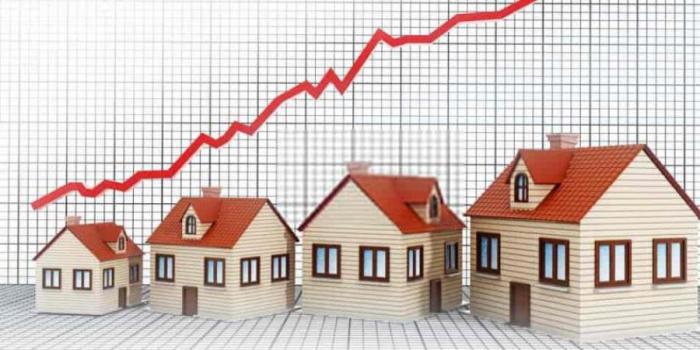
Home prices aren’t just rising; they’re responding to a complex interplay of factors. Understanding the motivations and priorities of today’s homebuyers is crucial to grasping the forces behind these increases. Demographic shifts, investor activity, and the influence of financial incentives all play significant roles in shaping demand. This section delves into these dynamic forces, providing insights into how they are contributing to the current housing market trends.The current homebuyer landscape is multifaceted.
Millennials and Gen Z, now major players in the market, are often prioritizing factors like location, sustainability, and community engagement over traditional metrics like size and amenities. This shift in priorities has significant implications for the types of homes being sought and the locations experiencing the highest demand.
Motivations of Current Homebuyers
Understanding the “why” behind the “buy” is essential. Homebuyers today are driven by a complex mix of factors beyond just needing a roof over their heads. A key aspect of understanding the motivations involves recognizing that factors such as location, community, and lifestyle considerations often outweigh traditional metrics like square footage or number of bedrooms. Buyers are actively seeking homes that align with their evolving needs and desires.
The modern homebuyer often seeks homes with features like energy efficiency, smart home technology, and open floor plans that accommodate modern lifestyles. This trend is particularly apparent among younger demographics who prioritize convenience and adaptability.
- Location and Community: Proximity to schools, parks, and public transportation are often cited as top priorities. Urban areas with thriving amenities and walkable neighborhoods are experiencing high demand.
- Lifestyle Considerations: Homebuyers are increasingly seeking homes that support their active lifestyles, such as proximity to recreational areas, outdoor spaces, and opportunities for social interaction. For example, proximity to fitness centers, parks, and restaurants are increasingly influencing location choices.
- Sustainability and Environmental Concerns: Eco-friendly features, energy efficiency, and sustainable building practices are increasingly important to buyers, particularly those with environmental consciousness. This trend highlights the growing importance of sustainability and its impact on real estate decisions.
Demographic Shifts and Their Impact
The composition of the homebuying population is undergoing significant transformations. The increasing presence of Millennials and Gen Z is fundamentally altering the market. This shift is having a direct impact on the types of homes in demand and the neighborhoods experiencing the highest growth rates. For instance, urban areas with walkable neighborhoods and readily available amenities are experiencing higher demand, as this aligns with the preferences of these demographics.
- Millennial Influence: Millennials, now entering prime homeownership years, are seeking smaller, urban homes, with a focus on community, walkability, and sustainability.
- Gen Z Preferences: Gen Z, often prioritizing shared living spaces, and rental options, are significantly influencing the need for apartments, co-living spaces, and townhomes in desirable locations.
- Growth of Diverse Communities: The growing diversity of communities across the nation is altering the demand for housing in areas that can accommodate these diverse communities, including culturally significant spaces.
Investor Activity and Price Pressures
Investor activity in the real estate market can significantly impact home prices. Institutional and individual investors, including hedge funds and private equity firms, are frequently acquiring properties, particularly in high-growth areas. These acquisitions can increase demand, pushing prices upward. Additionally, these investors often employ strategies that further increase demand, potentially driving prices higher.
- Institutional Investors: Large institutional investors often have the financial resources to acquire significant numbers of properties in a short period. This can exert considerable pressure on prices, particularly in areas experiencing rapid growth.
- Private Equity Firms: These firms invest in properties with a focus on maximizing returns. Their investments can significantly impact local markets and increase the demand for properties.
The Role of Financial Incentives
Low interest rates and financial incentives play a substantial role in influencing buyer behavior. Lower interest rates effectively reduce the cost of borrowing, making homeownership more affordable for many potential buyers. This increased affordability can stimulate demand and contribute to rising home prices. Government initiatives like first-time homebuyer programs and tax deductions also contribute to this trend.
- Low Interest Rates: Lower mortgage interest rates directly reduce the monthly payments for homebuyers, increasing affordability and encouraging more purchases.
- Financial Incentives: Government programs, such as tax deductions and first-time homebuyer programs, make homeownership more accessible and attractive to a wider range of potential buyers.
Analysis of Buyer Motivations, 6 reasons why home prices will keep going up and what buyers can do about it
A structured analysis of buyer motivations requires a multi-faceted approach.
- Gather Data: Analyze local market trends, demographic data, and recent sales figures to identify patterns in buyer behavior. For example, collecting data on the number of new listings in a specific area and analyzing the sales figures of similar properties can offer valuable insights.
- Identify Key Trends: Determine the most common motivations and priorities among current homebuyers, including factors such as location, community, and lifestyle considerations. A comparative analysis of these factors can be used to understand how they are correlated to pricing increases.
- Analyze the Relationship Between Motivations and Price: Correlate the identified motivations with the observed price increases in various neighborhoods. This can help identify areas with the strongest correlation between buyer motivations and price increases.
Financial Factors
Rising home prices aren’t solely driven by supply and demand. Financial factors, particularly interest rates and inflation, play a crucial role in shaping affordability and ultimately, the housing market’s trajectory. These factors significantly influence how much potential homebuyers can afford and how willing they are to enter the market. Understanding these dynamics is vital for anyone navigating the complexities of today’s real estate landscape.The interplay of interest rates, mortgage products, and inflation profoundly impacts the cost of homeownership.
Higher borrowing costs directly translate to increased monthly mortgage payments, making homes less accessible for many. Different mortgage types, with varying terms and conditions, further complicate the picture, offering varying levels of affordability. Understanding these financial variables is critical to appreciating the ongoing challenges and opportunities in the market.
Impact of Rising Interest Rates on Affordability
Higher interest rates directly impact mortgage payments. A 1% increase in the interest rate can significantly reduce a buyer’s purchasing power. For example, if a buyer qualifies for a $400,000 mortgage at a 6% interest rate, the monthly payment could be significantly higher than at a 5% interest rate, reducing the amount they can afford. This directly limits the pool of potential buyers and often leads to price adjustments.
Comparison of Different Mortgage Products
Various mortgage products cater to different needs and financial situations. Fixed-rate mortgages offer predictable monthly payments, but the interest rate is locked in for the life of the loan. Adjustable-rate mortgages (ARMs) typically start with a lower interest rate but can fluctuate over time, potentially leading to higher payments later. The choice between these products depends heavily on individual financial circumstances and projections for future interest rates.
How the Cost of Borrowing Impacts Housing Demand
The cost of borrowing directly affects housing demand. As interest rates increase, monthly mortgage payments increase, reducing the amount potential homebuyers can afford. This can lead to a decrease in the number of buyers in the market and ultimately pressure prices to adjust.
Role of Inflation on the Cost of Homeownership
Inflation influences the cost of homeownership in several ways. Rising inflation can drive up the cost of building materials, labor, and other expenses associated with homeownership. These increases can translate to higher home prices and make homes less affordable for many potential buyers.
Table: Interest Rates, Mortgage Types, and Affordability
| Interest Rate | Mortgage Type | Monthly Payment (on $400,000 mortgage) | Impact on Affordability |
|---|---|---|---|
| 5% | Fixed-Rate 30-Year | $2,000 | High affordability, significant purchasing power |
| 6% | Fixed-Rate 30-Year | $2,250 | Moderate affordability, reduced purchasing power |
| 7% | Fixed-Rate 30-Year | $2,500 | Low affordability, significant limitations on purchasing power |
| 5.5% | Adjustable-Rate 5/1 ARM | $1,950 | Higher affordability initially, potential for higher payments later |
Note: Monthly payments are estimates and vary based on down payment, property taxes, and insurance.
Alternative Housing Options
The escalating cost of traditional housing is pushing many prospective homeowners and renters toward alternative housing options. These innovative models offer unique solutions to the housing crisis, potentially providing more affordable and sustainable living alternatives. From co-living spaces to tiny homes, these options are gaining traction as people seek more affordable and eco-friendly living arrangements.Alternative housing models present a fascinating approach to tackling the housing shortage, offering potentially more affordable and sustainable options.
So, home prices are likely to keep climbing, and understanding why is key for buyers. Factors like low inventory and high demand are major contributors. However, a savvy approach, like exploring strategies outlined in the unit42 ciso tactics advisory , can help you navigate this market. It’s about more than just the numbers; it’s about being proactive and informed.
This translates to understanding market trends and exploring smart financial strategies to make your homeownership journey smoother and more secure. Ultimately, the 6 reasons why prices continue to rise and buyer action are intertwined in a complex market.
These solutions aren’t just about cost; they often integrate community building, resource sharing, and environmental consciousness, making them appealing to a growing segment of the population.
Overview of Alternative Housing Options
Alternative housing options are diverse and cater to various needs and preferences. Co-living spaces, tiny homes, and modular homes are gaining popularity as potential solutions to the housing crisis. These options offer unique benefits and drawbacks, impacting the overall viability of the model.
While everyone’s buzzing about the One Fusion Motorola finally launching a decent phone in India ( one fusion motorola finally launches good phone india ), it’s worth remembering that home prices are likely to continue rising. Factors like limited supply and increasing demand are key drivers. So, what can buyers do? Savvy shoppers should be proactive in their search, understand local market trends, and consider alternative locations to potentially reduce the cost of a home.
Ultimately, staying informed and persistent are crucial in today’s competitive market.
Benefits and Drawbacks of Alternative Housing Options
Co-living spaces, for instance, often feature shared amenities and communal spaces, fostering a sense of community and reducing individual living costs. However, this shared environment can also lead to potential conflicts or a lack of privacy. Tiny homes, while incredibly sustainable and often very affordable, may lack the space and amenities of a traditional home. Modular homes, on the other hand, provide a balance between customization and affordability, but can sometimes come with higher upfront costs compared to other options.
Examples of Successful Implementations
Several cities have successfully implemented co-living spaces, demonstrating the viability of this model. For example, some urban areas have seen the development of co-living spaces specifically designed for young professionals, providing both affordable housing and social connections. Similarly, the growing popularity of tiny homes and modular homes has led to the development of dedicated communities in certain areas, showcasing the potential for these alternatives to meet the demands of a diverse range of demographics.
Potential to Address the Housing Shortage
Alternative housing options have the potential to alleviate the housing shortage by providing more affordable and accessible options. By diversifying the housing market, these models can help to meet the needs of a wider range of income levels and lifestyles. However, challenges remain in terms of regulatory frameworks, community acceptance, and infrastructure considerations.
Detailed Comparison of Alternative Housing Options
| Housing Type | Advantages | Disadvantages | Target Audience |
|---|---|---|---|
| Co-living | Affordable living, community building, shared amenities | Potential for conflicts, lack of privacy, shared space limitations | Young professionals, single individuals, budget-conscious individuals seeking community |
| Tiny Homes | Sustainability, affordability, reduced environmental impact | Limited space, potential lack of amenities, sometimes requiring specific zoning | Eco-conscious individuals, budget-conscious buyers, those seeking minimalist lifestyles |
| Modular Homes | Customization options, faster construction, potential cost savings | Higher upfront costs compared to some other options, potential for limited customization depending on the model | Individuals seeking a more affordable alternative to traditional construction, families looking for a faster home construction process |
Strategies for Buyers
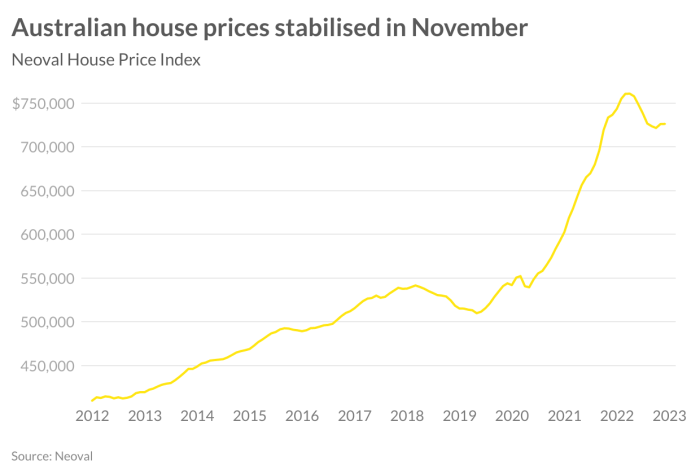
Navigating today’s competitive housing market requires a proactive and strategic approach. Buyers need to understand the current landscape, anticipate potential challenges, and develop a plan that maximizes their chances of success. This involves more than just finding a house; it’s about understanding the process from start to finish. A well-defined strategy is key to securing a desirable property in a high-price environment.Prospective buyers must recognize that a strong understanding of the current market conditions, coupled with meticulous preparation, is crucial.
Thorough research and meticulous planning are essential for achieving a positive outcome in a demanding real estate market. This involves not only identifying the right property but also securing favorable financing terms and effectively negotiating the purchase agreement.
Pre-Approval and Financial Planning
Securing pre-approval for a mortgage is a critical first step. This demonstrates financial stability to sellers and allows buyers to understand their borrowing capacity. Pre-approval not only helps buyers understand their budget but also positions them competitively in a market where multiple offers are common. By knowing their maximum loan amount, buyers can confidently target properties within their price range.
Thorough Research and Due Diligence
Comprehensive research is crucial. This includes analyzing comparable sales in the target neighborhood, evaluating property condition reports, and understanding local market trends. Using online resources, contacting real estate professionals, and leveraging local market data are vital steps in the research process. Thorough due diligence extends to understanding property taxes, HOA fees, and any potential future development plans that might affect the property value.
Negotiation Strategies
Negotiation is an essential skill in today’s market. Buyers need to understand their leverage, be prepared to walk away from a deal, and know their bottom line. This involves understanding the asking price, the comparable sales, and the potential for negotiation on terms like closing costs or contingencies. Having a clear understanding of the market and a well-defined strategy, buyers can negotiate more effectively.
Navigating the Home-Buying Process
This detailed guide provides a step-by-step approach to navigating the home-buying process during high-price periods:
- Secure Pre-Approval: This crucial step allows buyers to understand their financial capacity and be prepared to act quickly when an opportunity arises. A pre-approval letter provides the seller with confidence in the buyer’s financial commitment.
- Identify Target Properties: Using online resources, real estate agents, and market analysis tools, buyers can identify properties that align with their needs and budget.
- Conduct Thorough Research: A thorough investigation into property condition, comparable sales, and local market trends is vital. This ensures informed decision-making and maximizes the chance of a successful purchase.
- Prepare a Competitive Offer: This includes a clear understanding of the market value, the asking price, and the willingness to negotiate on terms like closing costs and contingencies. Buyers should be prepared to offer a competitive price and terms to stand out.
- Due Diligence: This involves inspecting the property, obtaining a home inspection, and conducting further research on potential risks.
- Negotiate the Purchase Agreement: Buyers should be prepared to negotiate the terms of the purchase agreement, including price, contingencies, and closing dates. Effective communication and a well-defined strategy are key to securing favorable terms.
- Secure Financing: Working with a lender to secure the necessary mortgage is an essential step in the process.
- Close the Deal: Following the established closing process, buyers will finalize the purchase and become the new homeowners.
Closure
In conclusion, navigating the current housing market requires a multifaceted understanding of the forces driving price increases. While the path to homeownership may be challenging, informed buyers can effectively navigate the market by carefully analyzing the factors affecting prices, exploring alternative housing options, and implementing strategic steps to secure a favorable outcome. This comprehensive guide provides a roadmap for prospective homebuyers to successfully navigate the market and achieve their homeownership goals.